
A symposium from 9 a.m. to 5 pm. Saturday at the University of Alaska Southeast’s Egan Lecture Hall will explore Arctic climate, nuclear weapons, environmental, and local and global stability.
“Alaska in the Crosshairs: Climate, Arctic Environment, and the Resurgence of Nuclear Weapons” is co-sponsored by Veterans for Peace Chapter 100, the Juneau World Affairs Council, Point Hope Congress, and the Alaska Peace Center. Admission is free. All sessions can be attended in person or online. Registration is online at akhopecongress.org. Those unable to register online can do so in person at the event
The Arctic has become “ground zero” for growing national and international concerns about the environmental, military, commercial and geopolitical impacts of climate change. Alaska gives the United States its only territorial claim to the Arctic. Global warming is occurring here four times faster than anywhere else. The rapid loss of sea ice in the Arctic Ocean is dramatically altering the nature of the entire Arctic region. This, in turn, is disrupting global weather patterns and adding to international competition and potential conflict.
Craig Wilson, symposium moderator and President of Veterans for Peace, Juneau Chapter stated, “An ice-free Arctic will be the new focus for economic, military and transportation development. Alaskans have an obligation to be part of how that development impacts and benefits the environment, Indigenous rights, our economy, and safety. Russia’s response is full military with nuclear weapons. We have choices – international cooperation is key, developing towards a more peaceful model that promotes adequate defense, but avoids a new arms race. I hope this symposium is a step in that direction.”
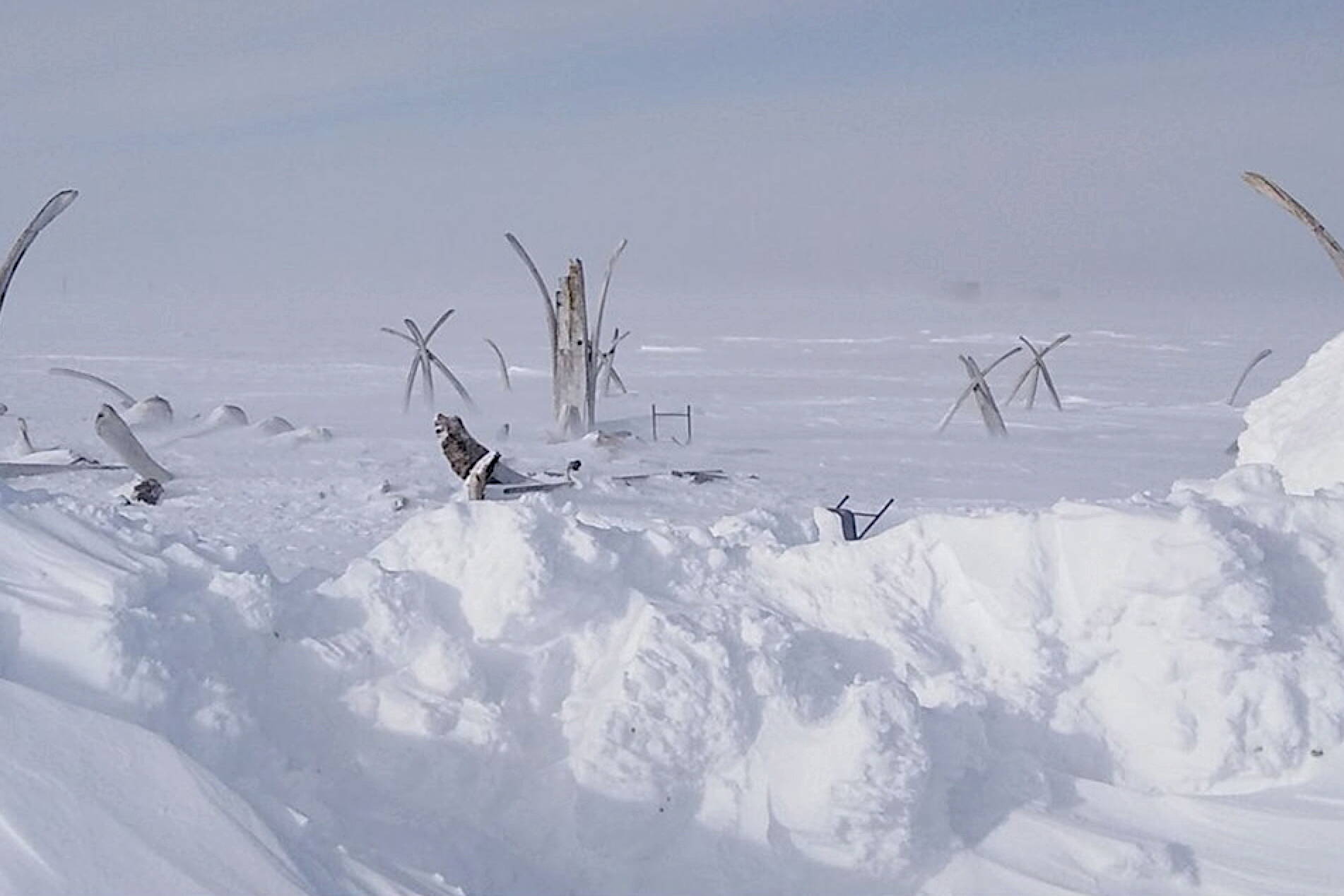
O’Neill’s book tells the story of “Project Chariot,” a failed effort by H-bomb developer Edward Teller and the U.S. Atomic Energy Commission to use nuclear weapons to create a harbor on the northwest coast of Alaska at Point Hope. The project was defeated by determined resistance of the Inupiat people in the area, and other heroes. Had the project been implemented, it would have caused massive widespread nuclear radiation and environmental damage. The fight to stop the project indirectly led to the beginning of the worldwide environmental movement and the emergence of Alaska’s Native voices. O’Neill plans a 45-minute slide presentation, followed by a Q&A session.
Symposium presenters will include:
• Steve Oomittuk, former Point Hope mayor, teacher, and Elder, will honor his village for their courageous and successful fight to stop Operation Chariot, which would have poisoned much of the Arctic.
• Jackie Qataliña Schaeffer, an Iñupiaq from Kotzebue, Alaska, is the Director of Climate Initiatives program at the Alaska Native Tribal Health Consortium under the department of Community Environment and Health. For decades she has worked across Alaska holistically infusing indigenous knowledge into a variety of sectors she has experience in, including comprehensive planning, energy, housing, water security, sanitation and climate change adaptation for rural communities. Her passion is to serve the indigenous people of Alaska and provide an indigenous perspective to all her work, including the importance and recognition of traditional philosophies, knowledge and world views. Her current work includes climate change assessments, community engagement, community relocation oversight, and overseeing the Center for Climate and Health and the Center for Environmentally Threatened Communities within the Climate Initiatives program.
• Peter Kuznick, Ph.D., professor of history and director of the Nuclear Studies Institute at the American University. Dr. Kuznick founded the institute in 1995 to educate university students and the general public about nuclear history and the threats posed by nuclear weapons. He also co-authored, with film director Oliver Stone, the 10-part Showtime documentary series and book, “The Untold History of the United States.”
• Joseph Rodgers, associate director of the Project on Nuclear Issues at the Center for Strategic and International Studies, a non-partisan, non-profit research organization in Washington, D.C. His latest report, concerning disinformation campaigns by Russia, is titled “Information Pollution and What It Means for Arms Control” (January 25, 2024).
• Craig Fleenor, deputy director of the Ted Stevens Center for Arctic Security Studies. The center was established by the Department of Defense in 2021 at Joint Base Elmendorf-Richardson in Anchorage to conduct research, communication, and training in support of the U.S. Northern Command, and to further the objectives of the U.S. National Defense Strategy.
• Philip Wight, Ph.D., assistant professor of History and Arctic & Northern Studies at the University of Alaska Fairbanks. He teaches classes in Alaska history, energy and environmental history, and contemporary issues of the circumpolar north.
• Shelby (Sturdyk) Nesheim of the Point Hope Youth Congress, a program of Veterans for Peace to engage Alaskan youths in the global elimination of nuclear weapons.
