
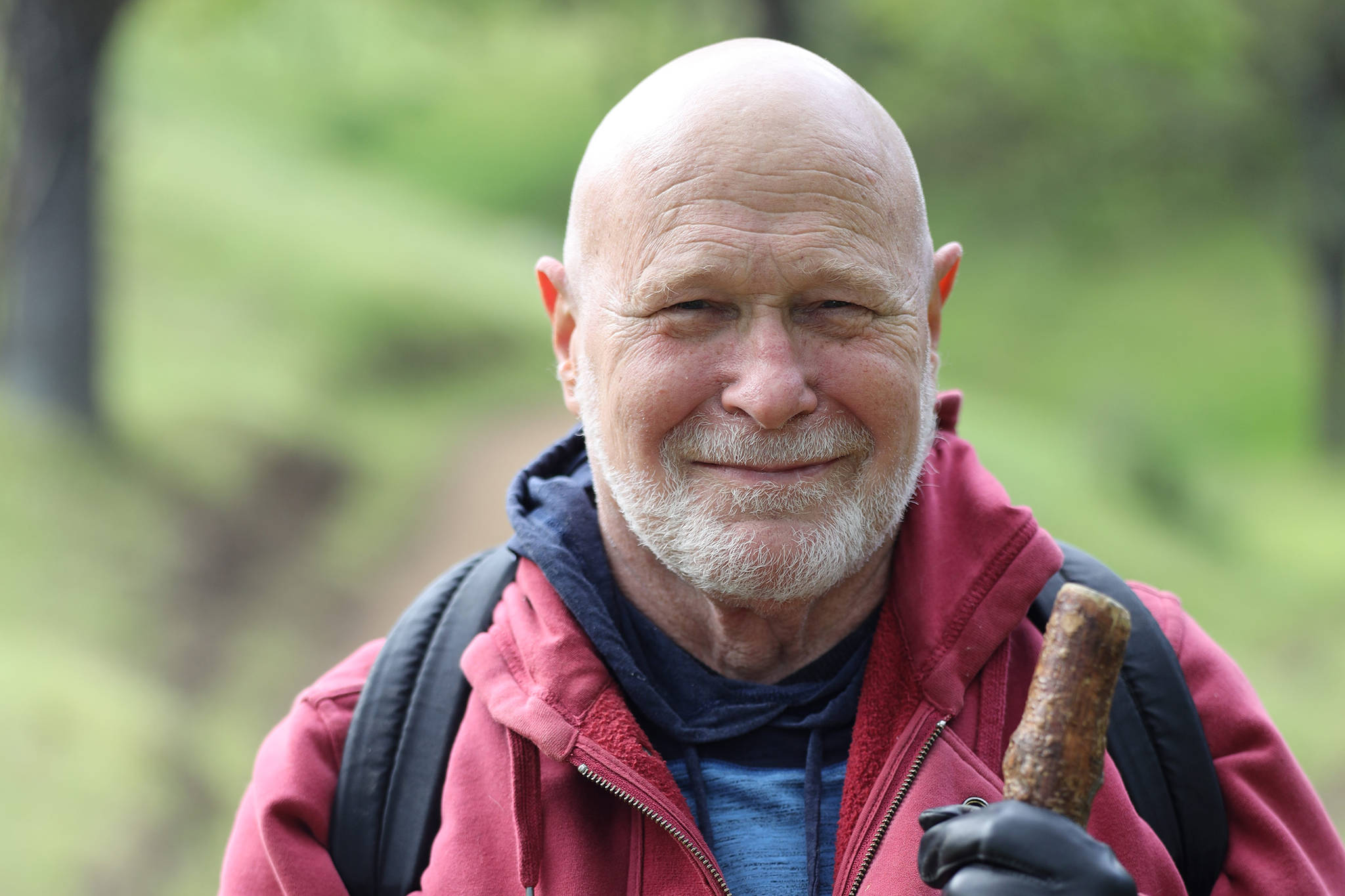
By Roger Wharton
Thou shalt love the Lord thy God with all thy heart, and with all thy soul, and with all thy mind. This is the first and great commandment. And the second is like unto it: Thou shalt love thy neighbor as thyself. On these two commandments hang all the Law and the Prophets.
In Matthew’s gospel, the Pharisees test Jesus by asking him this question: “Teacher, which commandment in the law is the greatest?” (Matt 22:34 NRSV). Jesus answers with what we know as “The Great Commandment.” It is one of the most familiar pieces of scripture that many folks can recite from memory. Let’s examine it from an ecological perspective.
We are asked to love God with our total being. To love God is to love all that God has created. To love God is to love the creation. To love God is to love our fragile planet Earth. To love God is to love the natural world where God is manifested and seen. To love God is to love and care for all that God has created. To love God is to live a simple life that is as ecologically sound as possible in order that the creations of God will not be destroyed. To love God is to live simply so that others (people/creatures) might simply live.
We are asked to love our neighbor as ourselves. One perspective of this aspect of the Great Commandment is the ideal of eco-justice. To love our neighbor is to be concerned about the quality of air and water not only for ourselves but also for those who may be poorer than us. Our nation’s poor live in places where the air and water quality is less than acceptable. In many places not only is the quality of life threatened, but life itself is at risk due to forced contact with toxic substances in the air, land, and water. Our consumptive lifestyle is tearing the very fabric of meaningful and healthy living away from the millions who live in so-called developing countries as we strip away life-giving natural resources to be squandered in our reckless living.
We are all in the same lifeboat together and that boat is leaking. Without clean water and air as well as the natural systems that make them possible, human life becomes more and more difficult to sustain. To care for our neighbors, Christians also have to care for Creation from the ozone layer to the deep aquifers and ocean bottoms.
It may also be time for Christians to be challenged to understand that our neighbors are not just our human brothers and sisters, but all of the creatures with whom we share our island home. Our neighborhood includes all plants and animals — all creatures great and small. Our lives are sustained by the sacrifice of these creatures. Native American philosophy/theology speaks of our sacred relationship with all of creation in the naming of our relatives as grandfather bear, sister deer, and brother hawk. St. Francis also called the animals his brothers and
sisters. We as Christians can experience this interconnectedness as sacred communion. When we begin to understand the communion, we have with all of creation in the Holy Communion, care of the earth and all our neighbors becomes more and more important.
Being in Southeast Alaska is a great blessing. To be alive where the visible hand of God —the fog—holds and enfolds us. To see eagles soaring. To have our sense of smell enliven with ocean air and Incense Cedar. To share the company of people from many diverse backgrounds. To find joy in the sighting of wild cousins.
Don’t forget your blessings, and remind each other of the love you share for this blessed land of mountains and ocean. Love your neighbors two-legged, four-legged, eight-legged, winged, swimmers, sea bottom dwellers, all creatures great and small.
• EcoChaplain Roger Wharton is an Episcopal priest from Juneau who returns when possible for spiritual inspiration and a taste of wilderness. Currently he produces short weekly video meditations exploring the Biblical and Christian Nature Wisdom Tradition.“Living Growing” is a weekly column written by different authors and submitted by local clergy and spiritual leaders.
