
The panoramic view of the Bering Sea, out our kitchen window in Brevig Mission, included a large wooden cross. Beneath the cross, buried in the frozen tundra, was the grave of 72 villagers who died during the 1918 Spanish Flu pandemic, leaving many children orphaned.
The church, where we lived, became an orphanage for children raised by the missionaries. Since the bodies were preserved by frozen tundra, elders allowed scientists, studying the pandemic, to obtain samples in 1951 and 1997. They reconstructed the virus, determined its origins and developed a vaccine.
Larry was privileged to be pastor to the surviving children, who in 1972 were elders. The pandemic had permanently disrupted their lives. The Spanish Flu will never return because of the generosity and wisdom of these elders.
Disruptions take many forms. Some are merely inconvenient while others are life-changing or even deadly.
As we reflect on our lives, we know that disruption plays a major role in our priorities and how we live. Most disruptions are not by choice but due to life circumstances. These intrusive and unwanted disruptions can potentially destroy our lives or restore us with new insights and values. For example, when someone we love is abused, or suffers injustice, we need to become “disrupters of change” in order to rectify injustice. Disruption brings both positive and negative changes in people and society.
Frequently, disruption is selfish and “me” centered, with little regard for the needs of others. When we see “beyond ourselves” disruption may bring positive change for all God’s people.
The COVID-19 Pandemic has revealed the ugly reality that the vulnerable — seniors, people of color, prisoners and the homeless — are often expendable. We have a new appreciation for those we take for granted from grocery clerks to health care workers who are essential to our lives, who are now in vulnerable circumstances at great risk to their lives and their families.
COVID-19 circumstances make disruption necessary for the well being of our world. This unwanted disruption causes sickness, death and great inconvenience. This disruption will define our future. If society refuses to make the necessary sacrifices for the good of all, there will be long-term, painful consequences. But if we practice sensitivity, compassion and love, our current disruptions can transform us into people with new insights, priorities and values. Disruptions, however big or small, change us and define who we are at this very moment.
Two of our children were presented to us as healthy when we adopted them in the 1970s. We later discovered they were born with brain damage from Fetal Alcohol Spectrum Disorder, which has been life changing and complicated their lives and ours with disruption. The perpetual disruptions we face as parents transformed us into “disruptors for change.” Our disruptive behavior has benefited a great number of people with similar realities.
All disruptions can have unforeseen life changing results. As we become more attuned to disruptive realities, we grow in our ability to let compassion and love guide us into a future of togetherness!
We are living through catastrophic disruption. How will it affect us as we journey into an unknown future? In this age of instant gratification will “current” realities change “future” realities? Will empathy, valuing life, love, caring and compassion replace the “selfie” attitudes that often isolate us? Can extreme disruption be an interruption that becomes a blessing to all God’s people as we journey into the future?
Life can indeed be both “living with” disruption and “learning from” disruption.
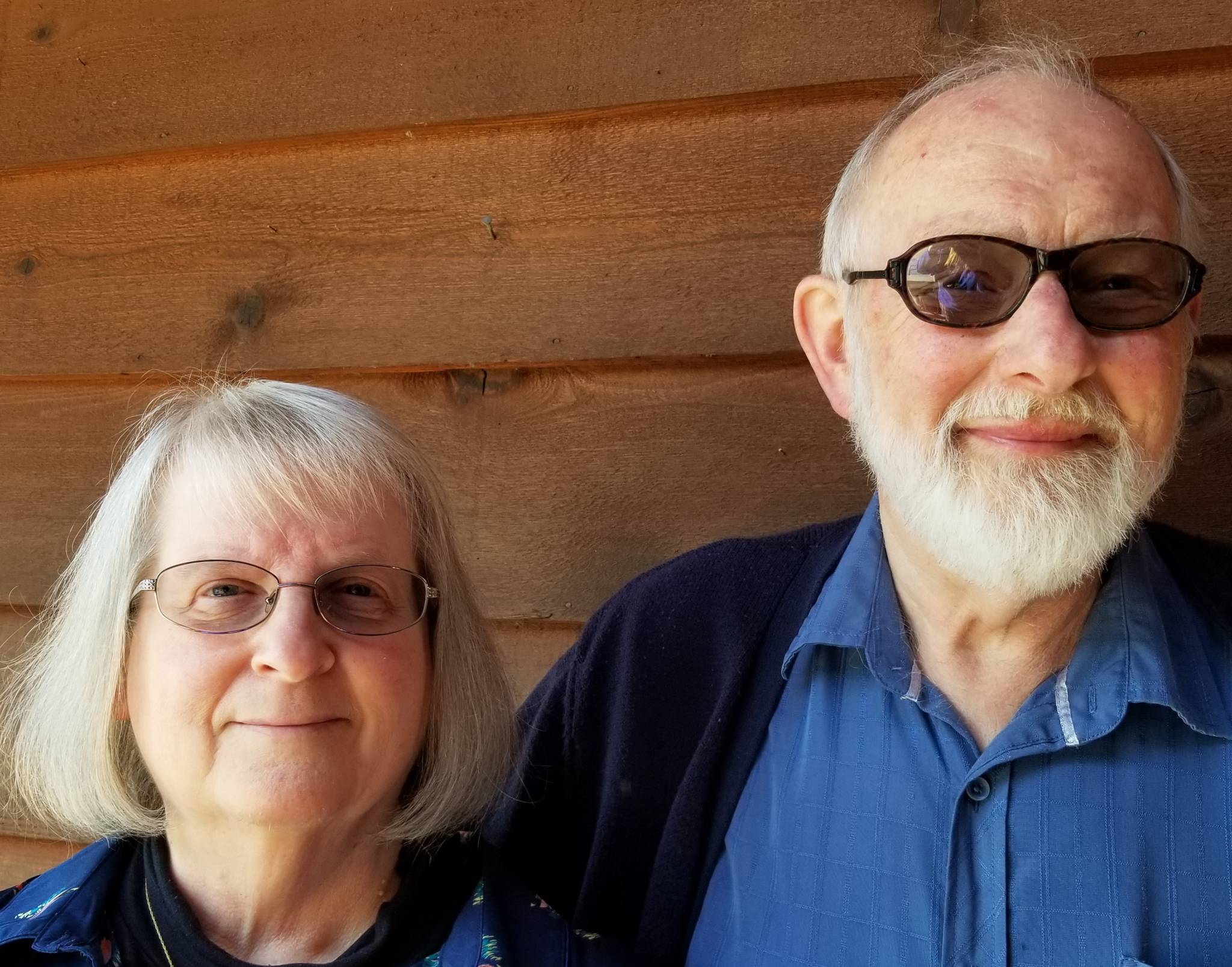
• Pastor Larry Rorem is a retired Evangelical Lutheran Church in America pastor living in Juneau. Laura and Larry are members of Resurrection Lutheran Church and are advocates for those living with Fetal Alcohol Spectrum Disorder. “Living Growing” is a weekly column written by different authors and submitted by local clergy and spiritual leaders.
