Alaska’s glaciers cataloged in new dictionary
Published 10:30 pm Tuesday, July 29, 2025
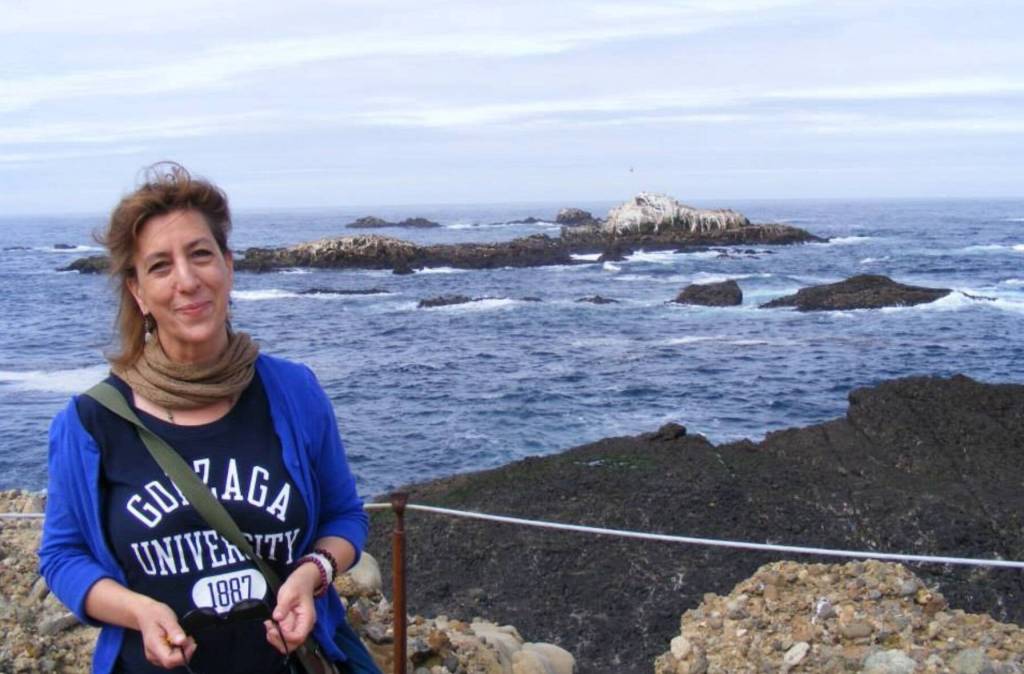
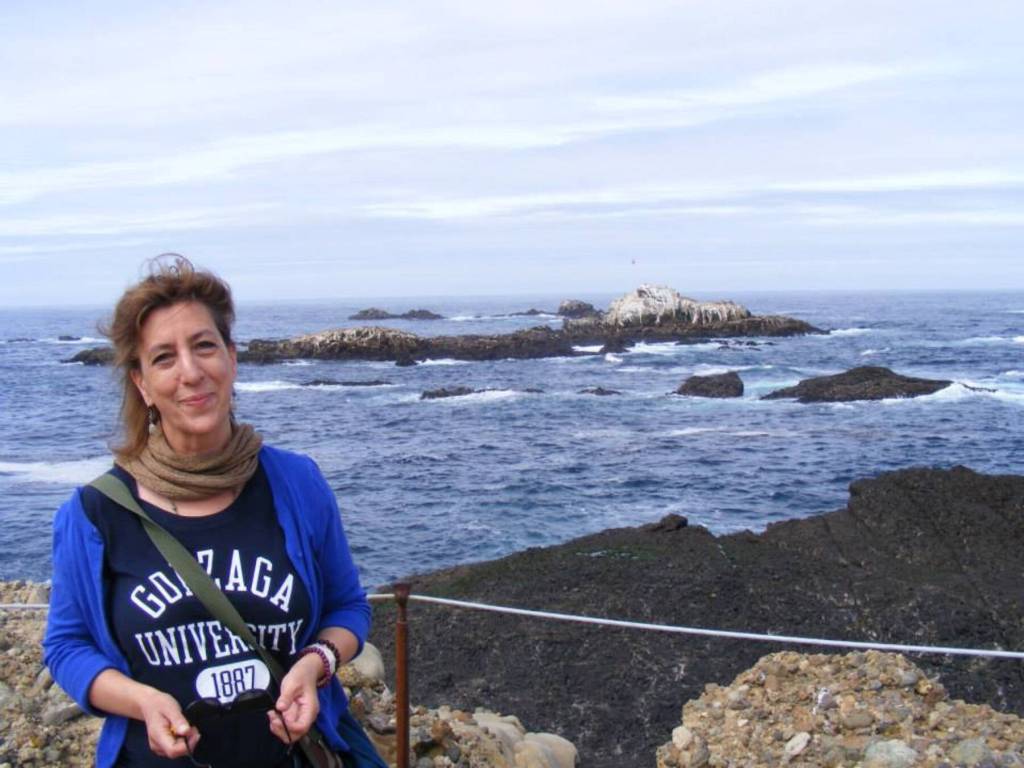


Naomi Klouda was working as the editor of the Tundra Drums weekly newspaper when she began to notice the presence and number of glaciers in Alaska. Flying over the Yukon-Kuskokwim and following stories of glacial retreat, Klouda writes that it was impossible for her not to be “stymied by unanswered questions.”
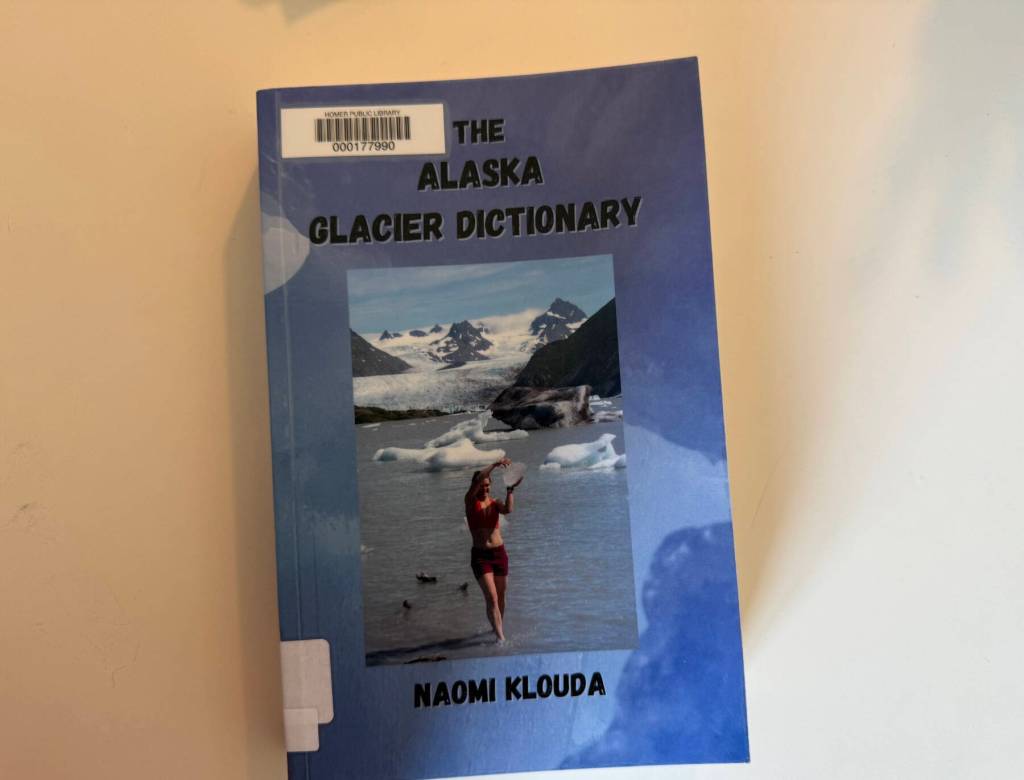
Later, while living in Homer, she discovered that the Bradley Lake hydrodam was powered by runoff from the Dixon Glacier. She said these little stories and facts began to compile in her journalistically inclined mind. The lack of concentrated resources she found when trying to find more information on the glaciers that piqued her interest later inspired the creation of “The Alaska Glacier Dictionary,” which was published this May by Cardamom Press.
It took Klouda roughly three years to compile the information present in the book. Klouda drew from resources including the Journal of Glaciology and consulted with Alaska glaciologists. She traveled to the sites of many of the glaciers included in the book, often flying over or using resources like the GNIS (Global Navigation Information System) and traditional atlases to locate and list them. In total, Klouda said she found about 700 different glaciers for her dictionary.
Klouda said she wanted the book to be more than an encyclopedia or compendium of information, and included extra information and resources to entice even the most reluctant of armchair explorers.
The second part of the book includes an essay by John Muir on his July 1890 sled trip on Muir Glacier in Glacier Bay National Park and Preserve, notes from 1898 on the Valdez Glacier by politician and teacher George Cheever Hazelet, and musings from the late 19th century on the Southeast coast of Alaska and the Sitka archipelago by Eliza Scidmore, one of the first female journalists in Alaska and the first female board member for National Geographic. Klouda said the last section of the book delves into the perceptions and experiences of the first explorers who came to Alaska, as they experienced glaciers for the first time.
“What did they think of glaciers? They’d never seen the like of them,” she said. “They were among the first outside of Indigenous cultures to describe them. They thought they (the glaciers) were freaks of nature. They didn’t even have a word for it; glacier had yet to be coined.”
Naming is an essential aspect of any historical writing endeavor, as names often reflect not only the colonial history of “discovery,” but also the potential erasure of Indigenous histories and context.
“The Indigenous names were really important to gather up,” she said. “And I was finding, you know, a Native name alongside a colonial name. I was working really hard to try to find not only what that name was, but what it meant.”
Klouda said, for example, the name of the Nuka Glacier on the Kenai Peninsula comes from a combination of a Sugpiaq and an Inuit word meaning “young bull caribou.”
“Why is there a male caribou name on the Kenai Peninsula somewhere? And the answer is, of course, that there used to be caribou there, and maybe caribou herds ran across the glacier,” said Klouda. “That was a beautiful story to me. The Tlingits in Southeastern Alaska have the Witch’s Cauldron Glacier. It just looks like it’s a distressed landscape there. It’s all bumpy and misty, and it’s just a really unsettling place to view. And the Tlingit people would go there when there was flooding to find refuge. So that’s all part of that place name’s story.”
Klouda said something most people might not realize about Alaska’s glaciers is the intersection and overlap between them and another great natural force: volcanoes. She said Mount Spurr is home to 15 glaciers, and Illiamna houses 10. Klouda noted that the nature of ashfall can both help preserve and insulate glaciers or expedite their melting.
Due to the nature of climate change and the high rates of glacial melting, Klouda admitted that it was often alarming to research and write about what she describes in her book’s introduction as these “vanishing giants.” Some glaciers mentioned in the book disappeared entirely during the writing and publication process, their hasty retreat marking the end of their reign.
“It can be alarming to write about, you know, a glacier receding. To write it over and over again for so many of these glaciers makes you realize this is really happening,” she said. “They’re in our backyard, you know, and they’re often out of sight, out of mind, but the water is rising.”
You can purchase copies of “The Alaska Glacier Dictionary” online at naomikloudabooks.com.