Alaska Science Forum: Adopted mammoth fell 15,000 years ago
Published 9:30 pm Wednesday, June 28, 2023
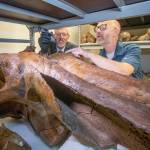
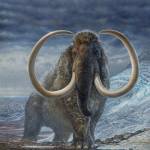
A few days ago, Mat Wooller had news about a woolly mammoth my friend LJ and I “adopted” last October.
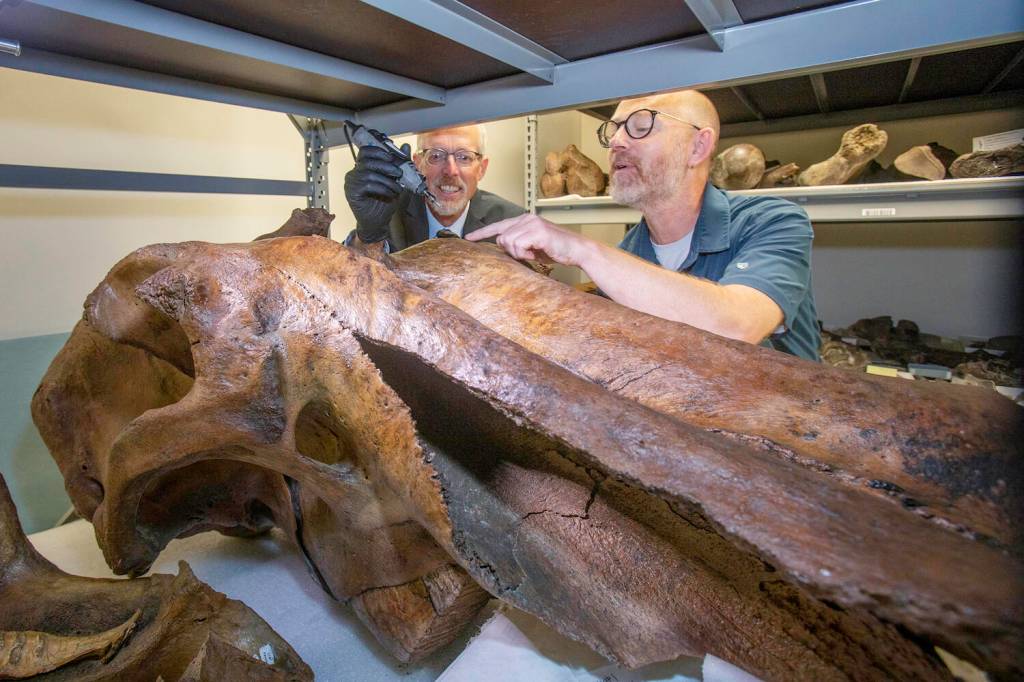
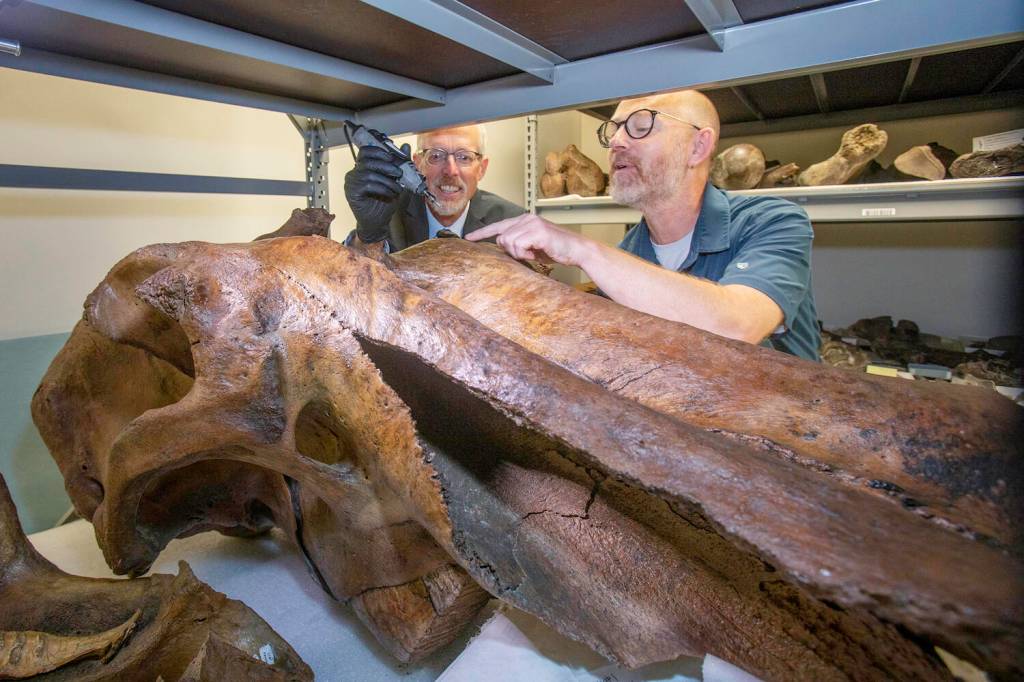
“You’ve got one of the youngest ones,” said Wooller, an ecologist at the University of Alaska Fairbanks and inventor of the Adopt-A-Mammoth program.
Wooller’s goal is to carbon-date the 1,500 mammoth fossils that rest in drawers within the University of Alaska Museum of the North. He has created a go-fund-me type project to find out more about when the iconic woolly mammoth disappeared from mainland Alaska.
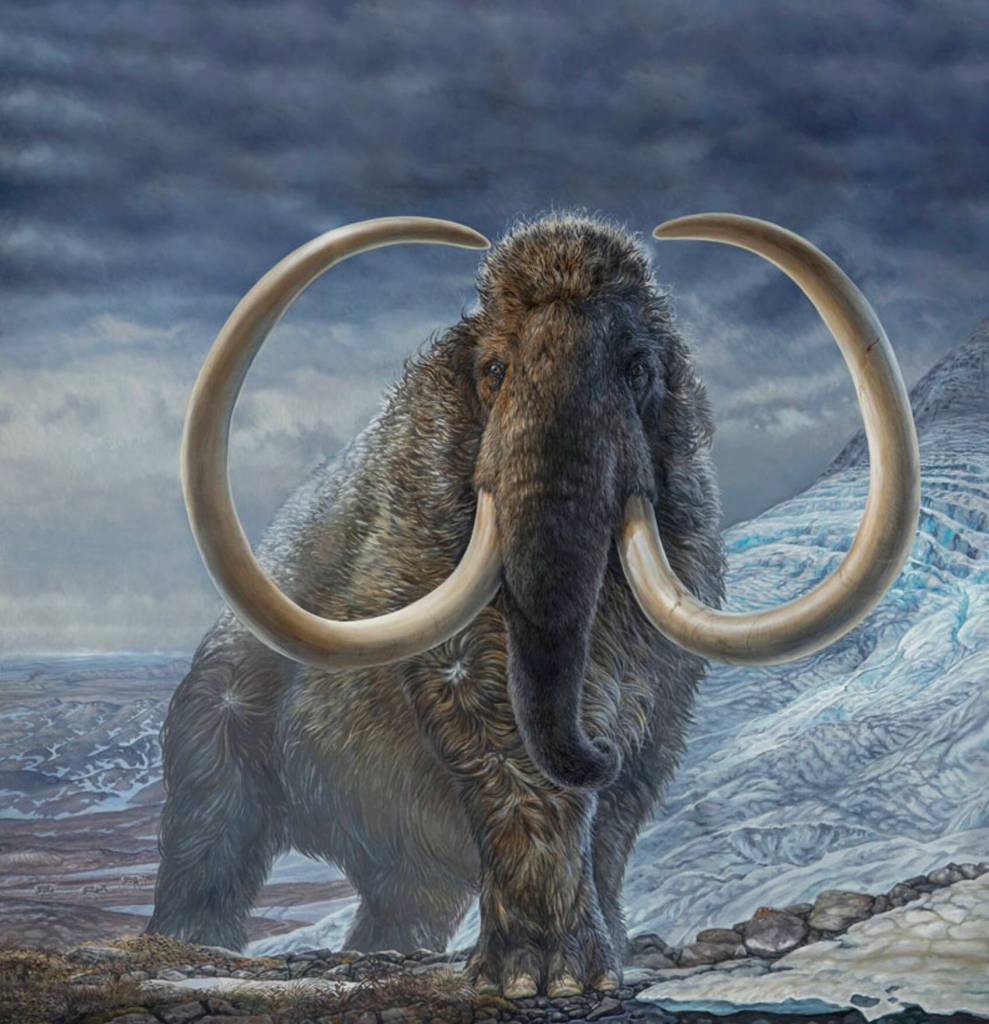
What do we know about when mammoths went extinct? The most recent Alaska mammoth fossil is a 5,600-year-old tooth found in a cave on St. Paul island. Researchers dated mammoth fossils found on Wrangel Island north of Siberia to 3,700 years ago, making that the “youngest” mammoth of which we know.
But the most recent mammoth fossil found on mainland Alaska is one unearthed near the town of Chicken. That mammoth died about 11,600 years ago. Wooller thinks mammoths must have stomped more recently across middle Alaska than that.
The Adopt-a-Mammoth program is his attempt to find out.
Gold miners and researchers like Otto Geist found many of the 1,500 mammoth fossils —curved tusks, skulls and blocky teeth — donated to the museum over the years.
LJ’s and my fossil — for which we split the $350 adoption fee — is a humerus (the upper front-leg bone). A miner found it clunking in his sluice box at Lost Chicken Creek in eastern Alaska, close to the town of Chicken. BLM workers drove a truck to Fairbanks containing that bone and many more from the same mine in June 1983.
Forty years after the fossil moved here, our results were in. Wooller informed LJ and I via email recently that our mammoth fell to the grasslands in far-east Alaska 15,388 years ago.
Though LJ and I are out of the running for the youngest mammoth (a few others in the Lost Chicken Creek batch were 1,000 years more recent), Wooller said our mammoth helps color in the history of mammoths in Alaska’s past.
A bunch of mammoth fossils from Lost Chicken Creek were older than 50,000 years old. There were some from 40,000-to-32,000 years ago, then nothing until just one bone dated to 25,000 years ago.
Then, there is a striking 10,000-year gap from that bone to ours from Lost Chicken Creek and a few similar ones.
“I find that a really interesting pattern,” Wooller said. “It’s a complete absence, like they became locally extirpated, and then they came back.
“The other cool thing with yours is the date is pretty consistent with mammoth remains from the Shaw Creek Flats area (south of Fairbanks). Your mammoth was basically on the scene when some of the earliest people showed up in Interior Alaska.”
Having completed dating the batch of fossils from Lost Chicken Creek, workers with the Adopt-a-Mammoth project will now focus on the many mammoth remains collected in the Fairbanks area. Wooller remains optimistic that there is a prize or two in the pile of fossils left to be dated.
“We haven’t found a seven-thousander yet,” Wooller said. “But fingers crossed on that.”
Many people besides LJ and I have adopted mammoth fossils. Leaders of the bioscience company Colossal (the goal of which is to have the woolly mammoth again walk on Earth) adopted about 80 fossils and donated them to school districts in Alaska. Creators of the Fairbanks Children’s Museum — the mascot of which is a woolly mammoth — have also adopted one.
Wooller just got funding on another project to study details of mammoth walkabouts in Alaska and the Yukon available from isotope samples of tusks. That information can reveal where a mammoth wandered by the water it was drinking.
When he began his career many years ago at University of Wales-Bangor in Great Britain, the man whose name is spelled in a similar fashion never dreamed he would get to know woolly mammoths so well.
“They’re just cool creatures.” Wooller said. “When you get hooked, you really get hooked.”
• Since the late 1970s, the University of Alaska Fairbanks’ Geophysical Institute has provided this column free in cooperation with the UAF research community. Ned Rozell is a science writer for the Geophysical Institute.