
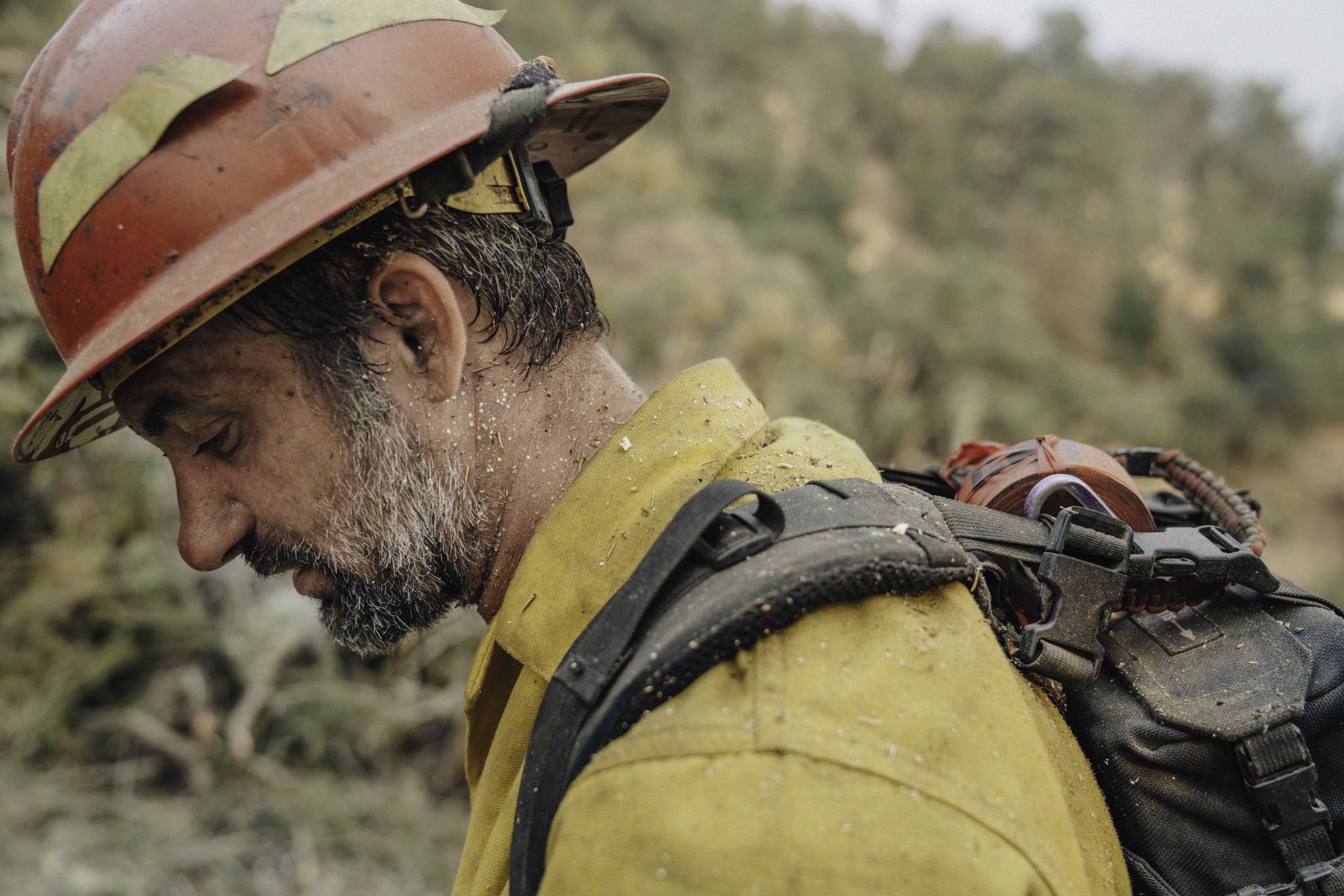
Wildland firefighters don’t do a lot of actual firefighting in Kahlil Hudson’s new film “Wildland.”
“There’s no glory in this job,” says Ed Floate, a wildland trainer near the halfway point of the hour-long documentary. “A lot of firefighters never get in a real nasty fire.”
Hudson, who was born and raised in Juneau and is professor of film at Santa Fe’s Institute of American Indian Arts, said that’s one surprising reality of firefighter life he learned co-producing and co-directing a documentary about those who suppress wildfires.
Instead of constantly battling blazes, Hudson said there’s hours of backbreaking, preventative work.
“The work kind of surprised me with how strenuous it is,” Hudson told the Capital City Weekly ahead of the movie’s Oct. 29 premier on PBS. “One day, for 14 or 16 hours, you’re carrying brush up and down a slope, and you’re picking up these huge armfuls of brush and depositing it somewhere.”
Hudson and Alex Jablonski, who co-produced and co-directed “Wildland,” both trained to be Type 2 Wildland firefighters for the movie in an effort to best capture what it’s like to be a Grayback Forestry crew member preventing and fighting forest fires in the Pacific Northwest.
“We tried to make an experiential film,” Hudson said. “We tried to make a film that’s as close to what the truth of what this life is like.”
Recently Hudson took some time to talk about the new movie, which he hopes will get a theatrical release in Juneau in the coming months, and answer questions about the hard work and hardened men in “Wildland.”
What made you want to make the film?
I like films that kind of portray under-represented people or under-represented stories, or show a world or subculture that you don’t see very often. When we set out to make this film, wildfire was in the news. They’re still in the news.
What was firefighter training like?
We became Type 2 firefighters, which involves classroom course work, but also practical field work, and kind of an endurance test. The training was fairly intense. You’re well-prepared for what to expect and how to respond when you’re on the line, but it didn’t prepare me for how intense the actual work was and doing the manual labor that’s involved. Some days you’re not actually doing any work. Some days you might be called up just to a staging area, where maybe you’re a couple of miles from the head of the fire, and you’re just kind of waiting until you’re needed.”
Did the trainees realize what they were getting into, did you?
I don’t think many of the rookies knew what was coming. I think they had these kind of grand ideas about what the experience was going to be like. I think it was still very difficult. I wasn’t ready for what it was like to be out there. It wasn’t just tedium and terror, it was also intense moments of tedium and terror and days and days of pretty strenuous work.
Were the trainees mostly open to being filmed?
There was a little apprehension at first. We certainly had to earn the trust of Mike Wheelock who runs the Grayback company. I think this was a misconception that this was a big production that was coming in to do a Hollywood treatment. We were shooting with big cameras, these are the same cameras they shoot “House of Cards” on or “The Hobbit” movies on. When the crew learned it was independently produced, and it was a passion project for Alex and I, I think it changed.
Were you surprised by the people who were interested in becoming wildland firefighters?
People ask us why we didn’t shoot hotshot crews, which are kind of like the Navy SEALS of fighting forest fires. They get paid a little more. Their lives are a little more together. We were looking to film with guys in their first year of the work. The Type 2 guys, the guys who are rookies, they’re coming into this work, which is seasonal, from very disparate places. You get guys who are fresh out of prison, and then you get guys who are fresh out of college. That’s really what we were most interested in, telling the stories of guys who were trying to figure out what’s next.
Why should people watch “Wildland?”
People should watch Wildland because it’s about what it’s like to be a Wildland firefighter in a way that I feel like hasn’t really been shown before. We tried to make an experiential film. We tried to make a film that’s as close to what the truth of what this life is like.
How to watch it
“Wildland” will air 6 p.m. Monday, Oct. 29 as part of the new season of Independent Lens series. The movie will then be available for streaming online beginning Oct. 30. Hudson said the film will have a theatrical release in January, and he hopes it will be shown in Juneau.
Contact arts and culture reporter Ben Hohenstatt at 523-2243 or bhohenstatt@juneauempire.com. Follow him on Twitter at @capweekly.
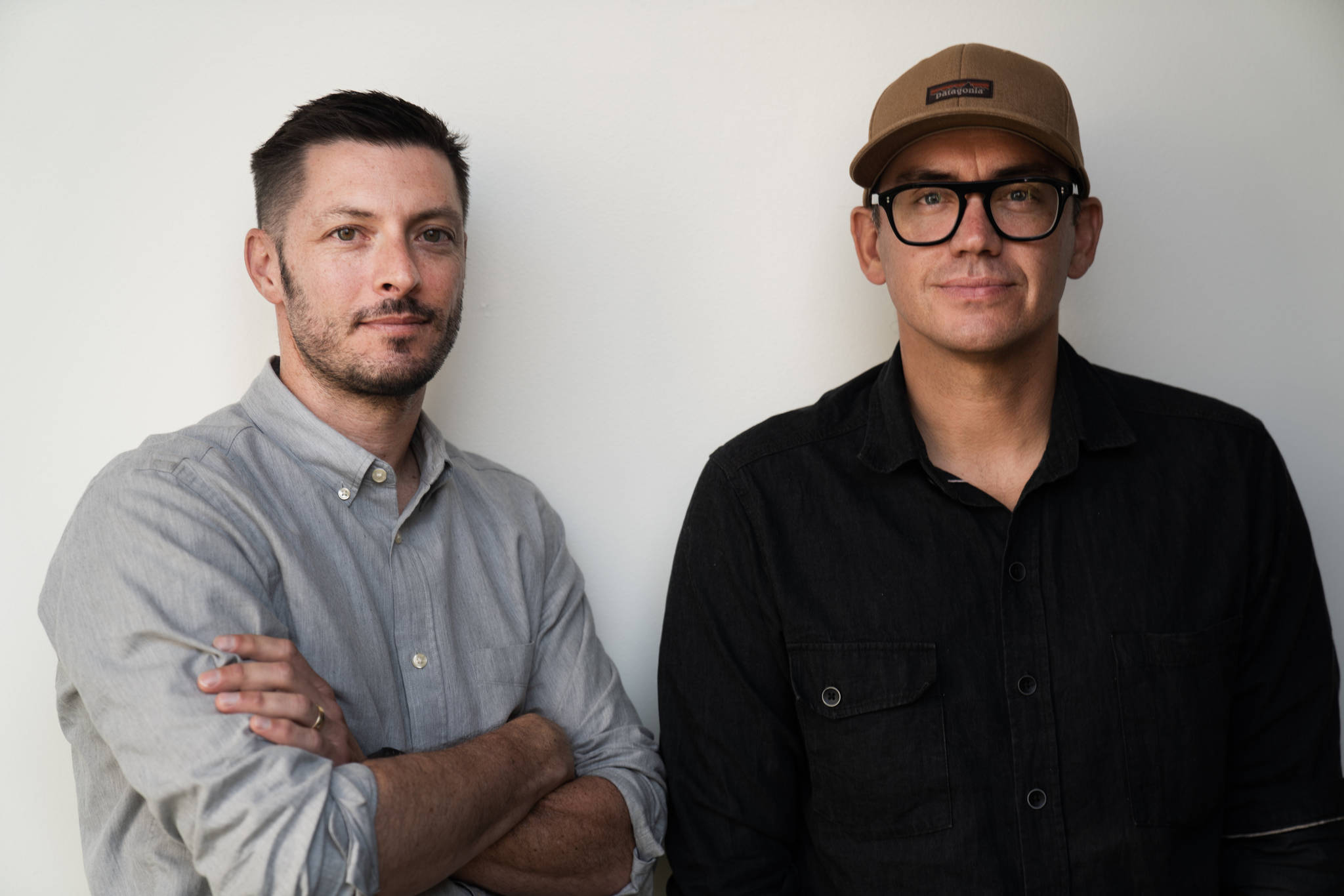
Alex Jablonski and Kahlil Hudson, co-directors and co-producers of the documentary “Wildland,” intentionally focused on Type 2 wildland firefighters. Hudson said their stories aren’t often told, and they come from many different backgrounds. Jablonski and Hudson went through firefighting training in order to make the film. (Courtesy Photo ITVS)
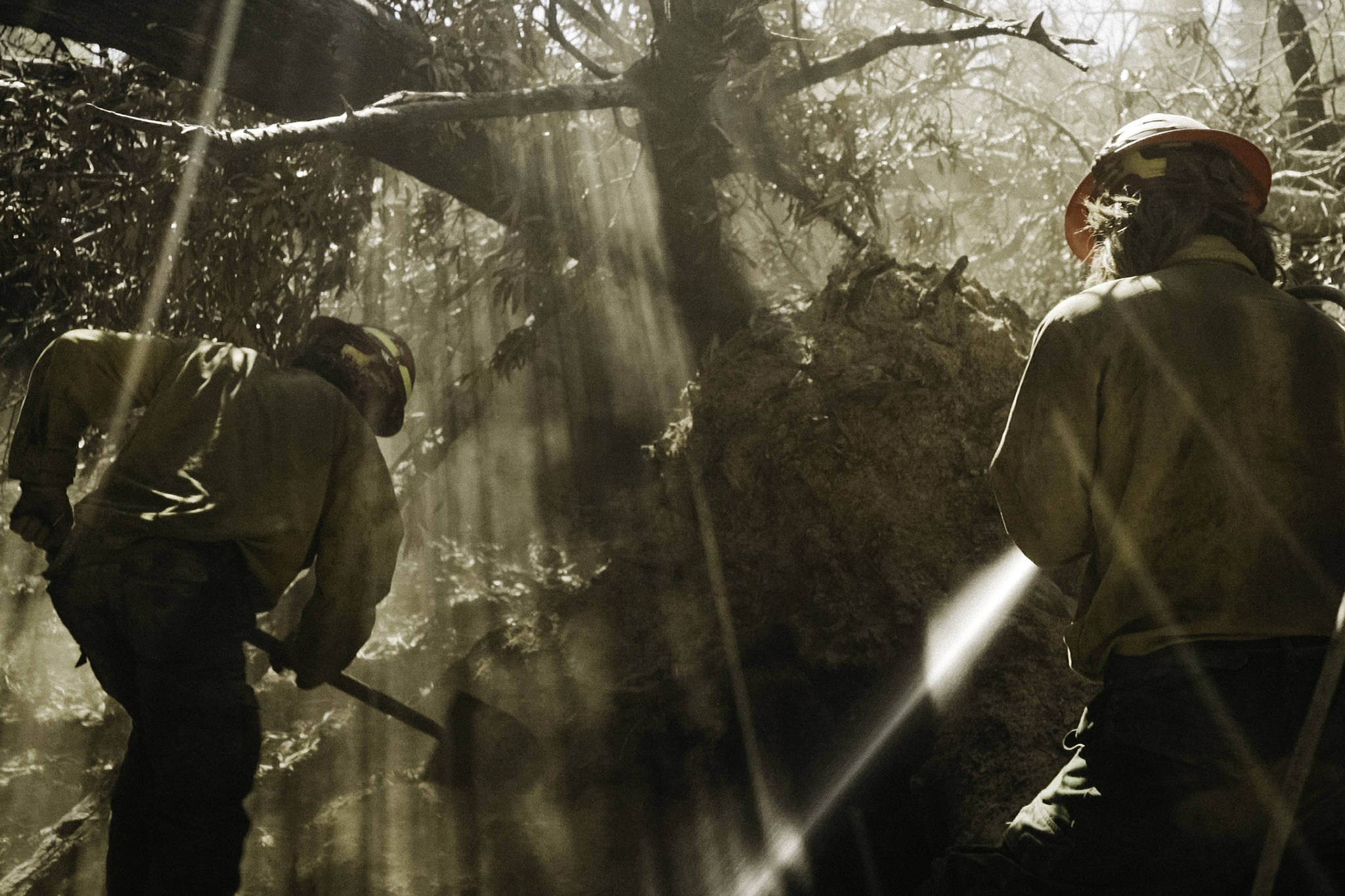
Firefighters dig in a scene from the upcoming documentary, “Wildland.” Kahlil Hudson, who was born and raised in Juneau, is co-director and co-producer for the film that takes a look at the people who fight and prevent forest fires. (Courtesy Photo Alex Jablonski)
