Stand for Salmon initiative bad for business, says Southeast Conference
Published 3:02 pm Wednesday, February 14, 2018
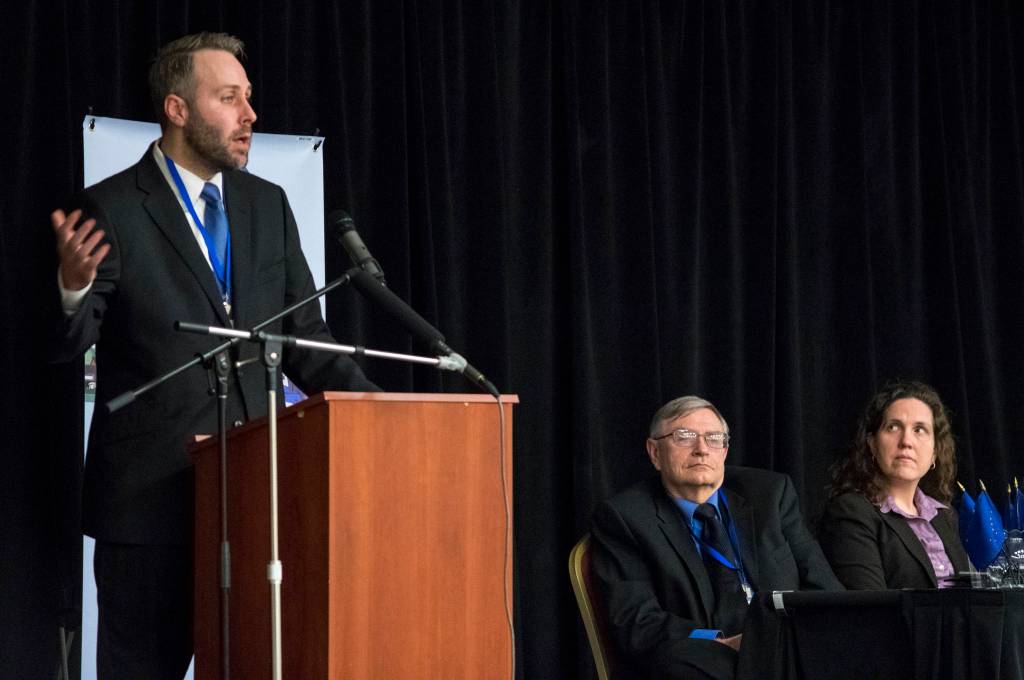
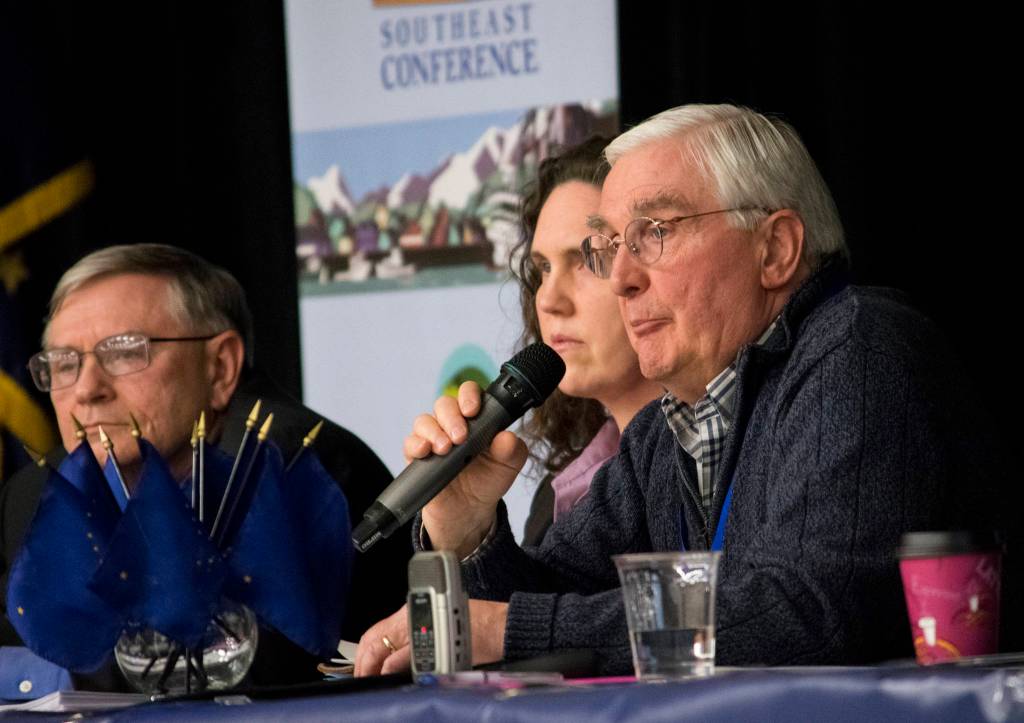


Southeast Conference speakers on Tuesday took a stance against the “Stand for Salmon” initiative, a proposed change to habitat protections which could see a statewide ballot in November.
It was one of several policy stances the group of Southeast business, municipal and Alaska Native corporation leaders took on proposed changes to natural resource law at their mid-session summit.
Those stances took the form of draft letters and resolutions that the influential group will forward to legislators if approved at an upcoming fall meeting.
The Stand for Salmon initiative and the similar House Bill 199 both create a more stringent process for approving projects on salmon-bearing waters in Alaska. Under the initiative, any proposed project on salmon habitat would have to prove it could restore the area before receiving the go-ahead.
HB 199 proposes similar regulations but has been modified in the legislative process and will likely see more changes before receiving a vote.
Both Stand for Salmon and HB 199 would hurt Southeast Alaska’s economy, environmental counsel Joshua Kindred of the Alaska Oil and Gas Association said during a joint meeting of the conference’s timber and mining committees. He said the changes make construction permitting too hard for mining and timber projects to bear.
There are already good laws on the books protecting salmon, Kindred added, and the initiative and bill are both solutions “looking for a problem.”
“These are bad policies that are being put out there. The regulations themselves are horribly drafted,” and would lead to litigation if the state attempting to implement them, Kindred said.
“It’s going to affect everybody because one of the things both HB 199 and the Stand for Salmon initiative does is it makes all water presumptive anadromous fish habitat. … You’re going to have to hire a scientific consultant to come petition Fish &Game to determine whether or not some stream is on your property. … What this is going to mean for the state is pretty substantial.”
Proponents of the Stand for Salmon initiative contend that worries for Alaska industry are overblown and that the initiative wouldn’t be as much of a wet blanket for industry as opponents make it out to be. Provisions in the initiative allow for small projects to get much quicker approval than larger — and potentially more harmful — projects on salmon habitat.
Signatures for the Stand for Salmon initiative are still being counted before the Division of Elections can OK it for publication on the November state elections ballot. As of Tuesday afternoon, DoE has verified nearly 27,000 of the 29,000 signatures it has processed so far. Backers turned in 42,00 signatures for the initiative and need 32,127 signatures verified before it’s approved for publicationt. The State of Alaska is also currently challenging the initiative’s constitutionality in a court appeal.
HB 199 is in the committee process at the Alaska Legislature, where it will receive revisions before receiving a vote by the House of Representatives.
Executive Director Robert Venables said the conference has only officially spoken against the ballot initiative and not HB 199. The conference is against anything that’s bad for Southeast’s economy, he said.
Policy positions made clear at the summit will have to be looked over by Southeast Conference members before being passed to its board for a vote at a fall meeting.
In addition to standing against Stand for Salmon, the Conference also forwarded a proposal outlining how they would like to structure the nomination process for so-called “tier 3” or “outstanding national resource” waters. The Clean Water Act of 1972 required by law that tier 3 waters be preserved in their current status. But what waters would be designated as tier 3 and who makes that call hasn’t yet been outlined by the State of Alaska.
Environmentalists have increasingly pressured the state to develop a nomination process. One idea would be to have individual citizens nominate tier 3 waters. A draft Conference resolution presented Tuesday by the mining and timber joint committee favored a nomination process led by the Alaska Legislature.
Southeast Conference speakers also expressed support for a reinstatement of a Tongass National Forest exemption to the roadless rule, which bars the building of new roads on National Forests. It has been the focus of constant litigation since its implementation in 2001, conference speaker and State of Alaska Assistant Attorney General Tom Lenhart said, and represents federal overreach on what should be Alaska lands.
U.S. Sen. Lisa Murkowski, R-Alaska, has authored provisions in a recent spending bill that would allow new roads on the Tongass and would overturn the 2016 Tongass Land Management Plan, which provides for a transition away from old growth logging.
Murkowski has said the transition is too short. Southeast Conference has forwarded a letter of support and thanks for her work in general and spoke in support of her spending bill provisions on Tuesday.
Southeast Alaska Conservation Council Executive Director Meredith Trainor wrote in a statement to the Empire that she was disappointed that attacks against the roadless rule are still being sallied by its opponents.
“The Roadless Rule received among the most favorable comments ever received when it was promulgated and is enormously popular among both Alaskan citizens and nationwide. The Tongass Plan Amendment was the outcome of a multi-year process that benefited from the substantial involvement of the public through the Tongass Advisory Committee. The State’s ongoing attack on both, having previously and repeatedly lost on the Roadless issue in court, feels like a disingenuous effort on the part of political leadership that is out of touch with what people in communities on the ground really need and want.”
• Contact reporter Kevin Gullufsen at 523-2228 and kevin.gullufsen@juneauempire.com. Follow him on Twitter at @KevinGullufsen.