School board passes budget that cuts staff 12%, hopes for BSA increase that will save some jobs
Published 9:30 pm Wednesday, March 13, 2024
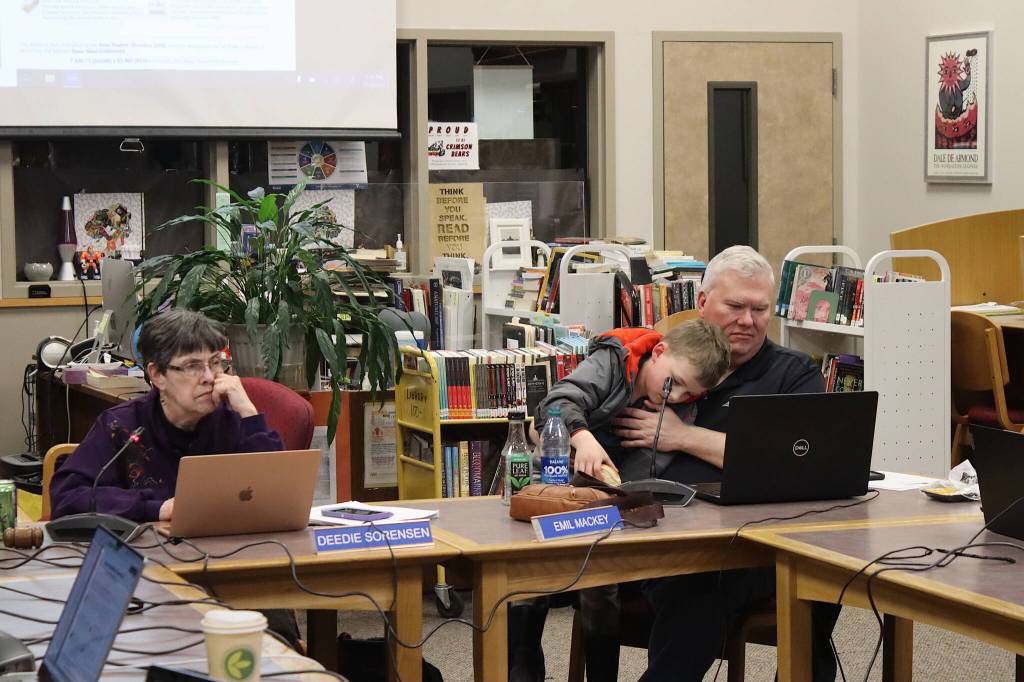
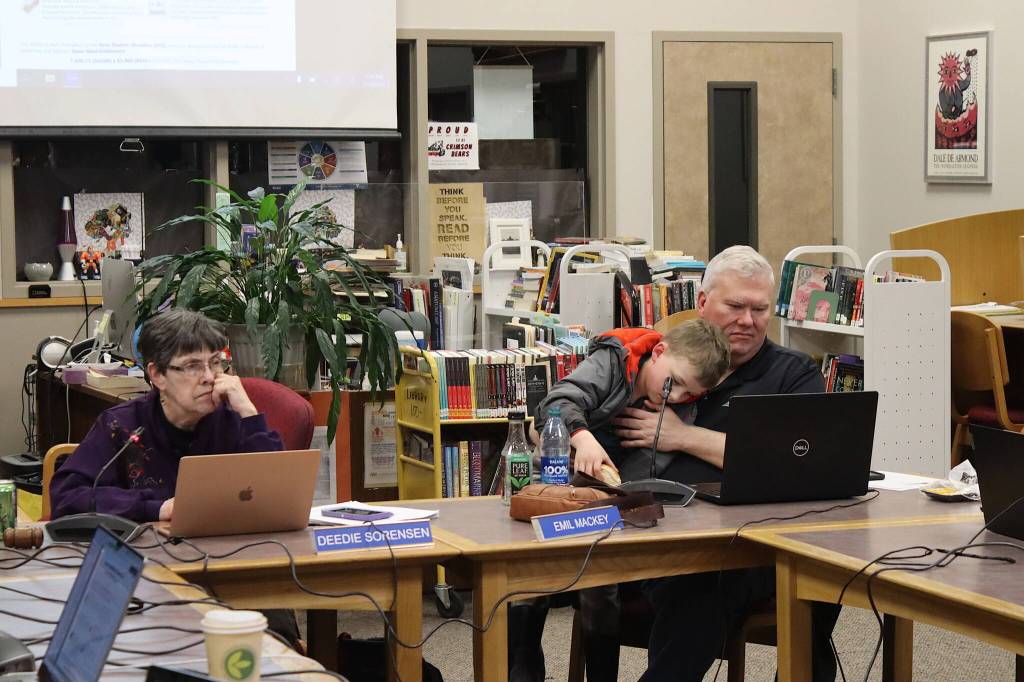
A budget that consolidates schools and cuts staff by 12% during the coming school year in order to resolve a massive deficit was unanimously approved by the Juneau Board of Education on Thursday night. But board members said they expect to make small adjustments during the coming weeks — and possibly big ones if a boost in state funding occurs.
The operating budget of about $67.8 million for the fiscal year starting July 1 is about 10% lower than the current year, due to a projected $9.7 million shortfall resulting from previous budget assumptions that were faulty, lower enrollment and state funding that has remained largely flat for the past decade.
About half of that gap is covered by a consolidation plan that puts students grades 9-12 at JDHS, grades 7-8 and the HomeBRIDGE program at Thunder Mountain High School, and adds sixth-graders to the current K-5 elementary school system.
The remainder is largely due to cuts in staff, who account for 90% of the operating budget’s costs. Among other impacts, the pupil-teacher ratio will increase to 30 for all grade levels except K-3, where it is set at 26. The current ratios are 23.5 for K-3 students, 26 for grades 4-6, 25 for grades 7-8 and 26 for grades 9-12.
The budget is based on a projected enrollment of 4,025 students, a 3.4% decrease from this year, with enrollment expected to drop steadily in future years.
A bill passed by the Alaska Legislature that includes a $680 increase in the state’s $5,960 Base Student Allocation would provide the district with about $5.2 million and thus prevent many of those staff cuts. However, Gov. Mike Dunleavy vetoed the bill while the school board was finalizing its budget Thursday night — and while the Legislature is scheduled to meet early next week in a joint session, it is unknown if enough votes exist to override the veto.
District Superintendent Frank Hauser, in an interview after the meeting, said he is disappointed by the veto, but it affirms the district’s decision to pass a budget that assumes there will be no increase in state funding.
“We are going to continue to move forward,” he said. “Like I said, we have a balanced budget. We are going to continue the direction of the board which is to look at that add-back, those areas that are still a focus of the district, and those positions and programs that we know are beneficial for students. And so we’re going to continue to move forward in the hope that a BSA (increase) does come through.”
The school board was facing a March 15 deadline to submit the budget to Juneau Assembly. But board members said relatively small adjustments to deal with specific concerns — such as possibly adding an employee to the HomeBRIDGE program if an offsetting reduction elsewhere is possible — are likely leading up to the beginning of the fiscal year, even without an increase in state funding.
Board members also started making a wish list of items they want to fund if a BSA increase occurs. Among the initial items are lowering the pupil-teacher ratio starting with elementary schools, adding “core content” staff back to middle and high schools, and restoring funds to the district’s now empty reserve fund balance for emergencies.
Only a few residents testified during Thursday’s meeting, but they expressed strong concerns about the district’s budget causing impacts school board members aren’t considering.
“Were the cost of extra subs due to teacher and reduced support staff because of burnout factored into this budget?” asked Melissa Cullum, a resident who also submitted a long written list of questions. “Currently there is a sub shortage. How would this budget how would these budget cuts impact the district’s ability to hire subs?”
“You are going to have teachers leave because you are stretching them, you are increasing the student count and minimizing the number of people in the buildings that can support these students,” she added. “You are going to have an exodus and not just this year. You will have an exodus next year and in the following years. And so what do you do? Where is it in the budget for recruitments?”
In their closing remarks at the end the meeting some board members expressed relief the district seems to have a path forward for the crisis that was revealed in early January, which at the time appeared impossible to resolve within legally required deadlines.
“I was horrified to be here, when we found out in January…the findings were jaw-dropping,” said Deedie Sorensen, the board’s president. “But since that point Mr. Hauser and (legal staff) have made arrangements with the state, developed the concept for a loan, we have met with the city, the city has put into action their ordinances to finance that loan and support the district in two other ordinances. Then the next piece was ‘Oh, yes, and we have another deficit budget (next year) if we do the same thing.’ And we have come through to this point where we do have a balanced budget in a timely way.”
A total of 20 public meetings involving the district, plus several more by the Juneau Assembly, were held between Jan. 9 and March 12, some of which lasted several hours due to lengthy discussions among board members and public testimony by dozens of residents. About 600 people responded to one of multiple budget surveys conducted and Will Muldoon, chair of the board’s Finance Committee, said he’s received 1,640 emails since Jan 3 “and not a single one was indifferent.”
“This is the first meeting and several months where I feel like it’s normal,” said Emil Mackey, the board’s vice president. “And that’s a good feeling. And it tends to tell me that we’re on the backside of this headed downhill, rather than walking up that mountain.”
But David Noon, one of two members newly elected to the board last October, said plenty of uphill challenges are ahead.
“I think that for a lot of members of this community the road ahead is going to be pretty brutal,” he said. “This budget includes a lot of (job) losses, it’s going to increase class sizes, a lot of facilities that serve students well are no longer going to be available. And so I think the next few months are going to be extremely difficult for students, for staff, for members this community. So I’m not taking a whole lot of comfort right now.”
• Contact Mark Sabbatini at mark.sabbatini@juneauempire.com or (907) 957-2306.