Proposed totem poles at Mendenhall Glacier Visitor Center get icy reception from some tribal residents
Published 9:30 pm Tuesday, January 14, 2025
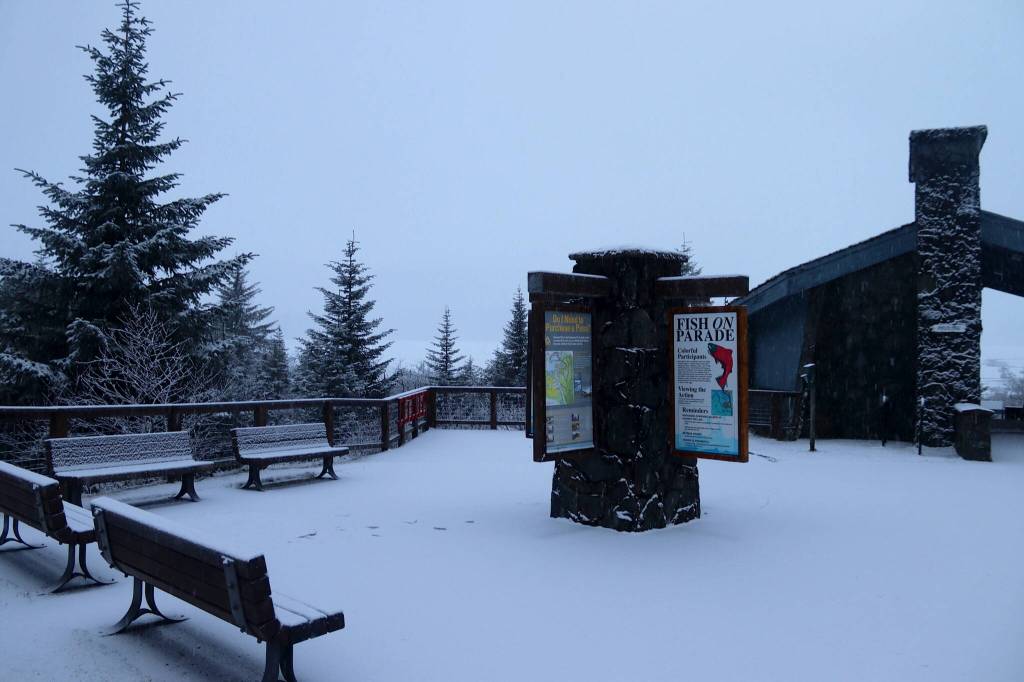
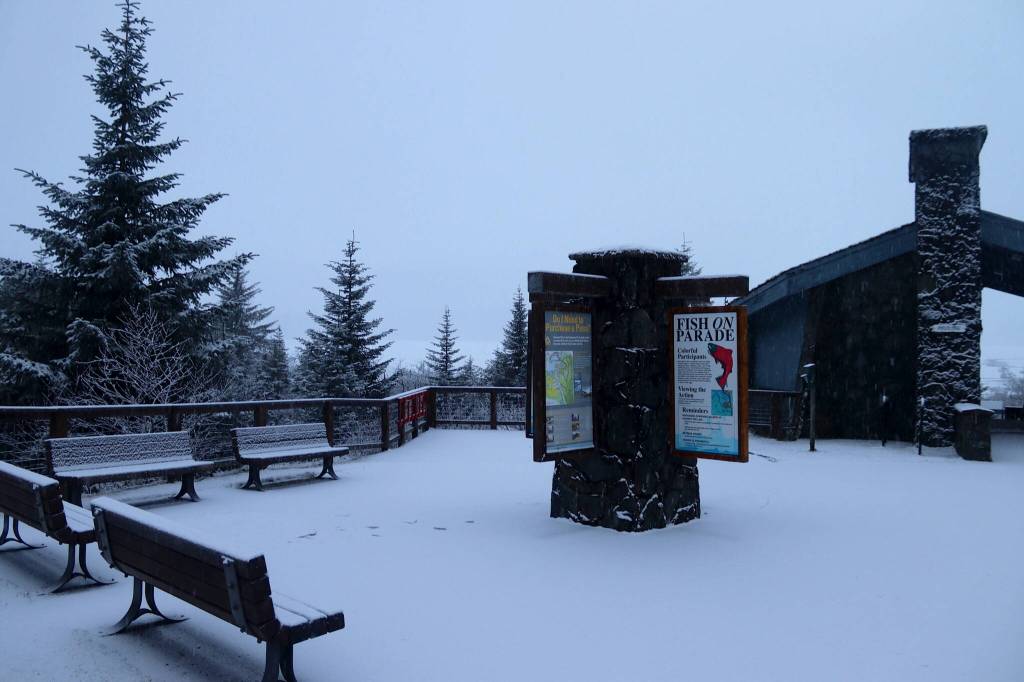
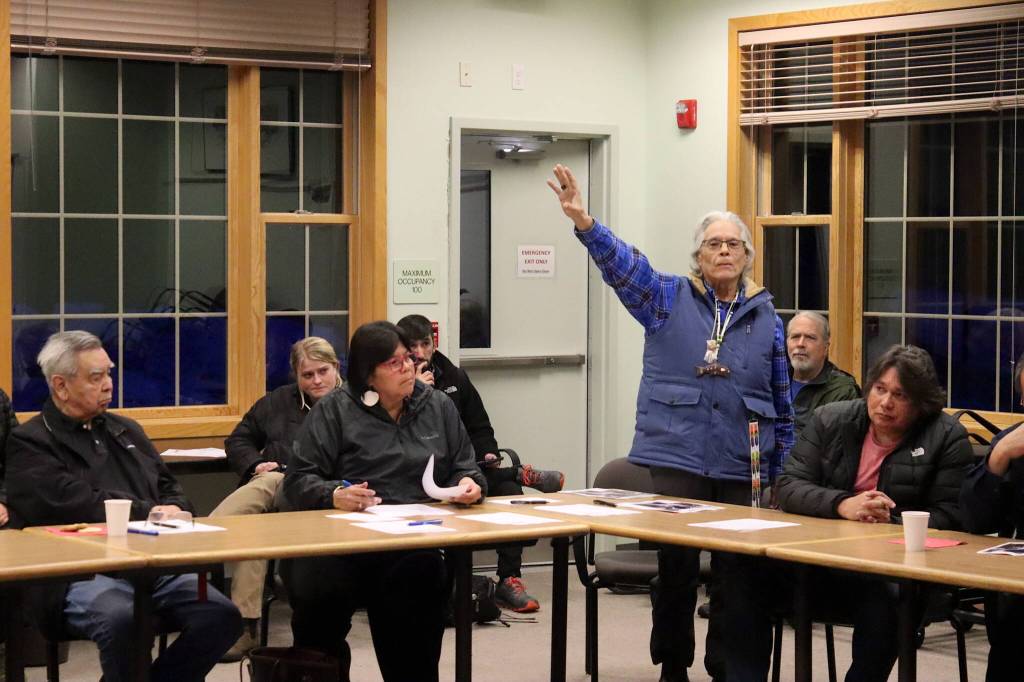
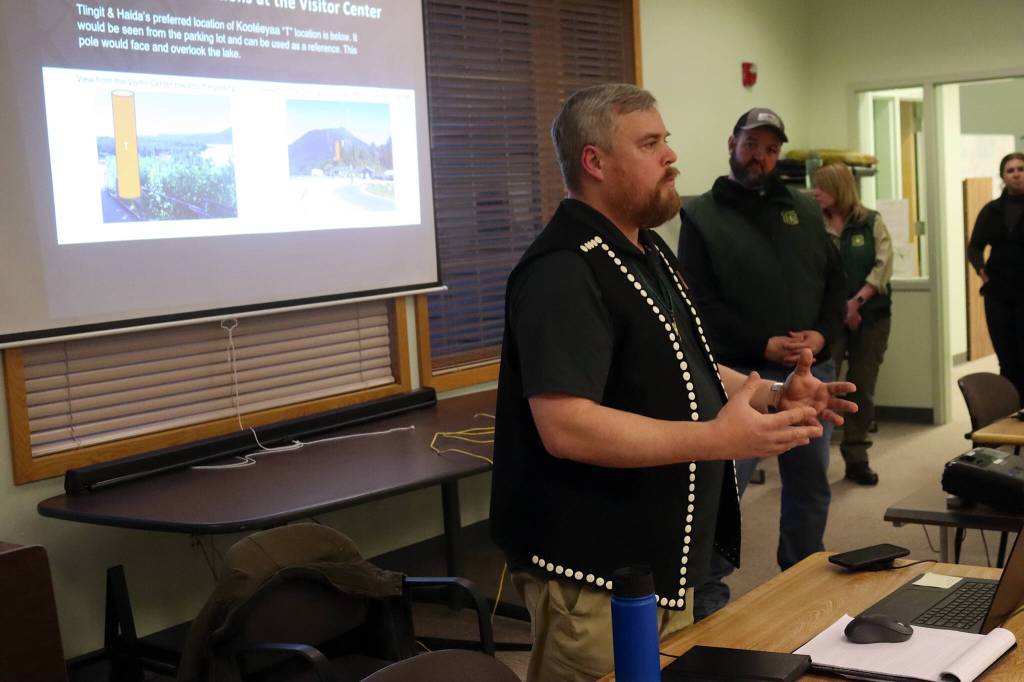

Installing a set of totem poles at the Mendenhall Glacier Visitor Center highlighting local Alaska Natives may be a worthy idea, but numerous tribal residents expressed concerns during an initial forum Wednesday about what clans will be represented, how the exhibit will be presented to tourists, and what was called a sudden and disrespectful announcement of the proposal.
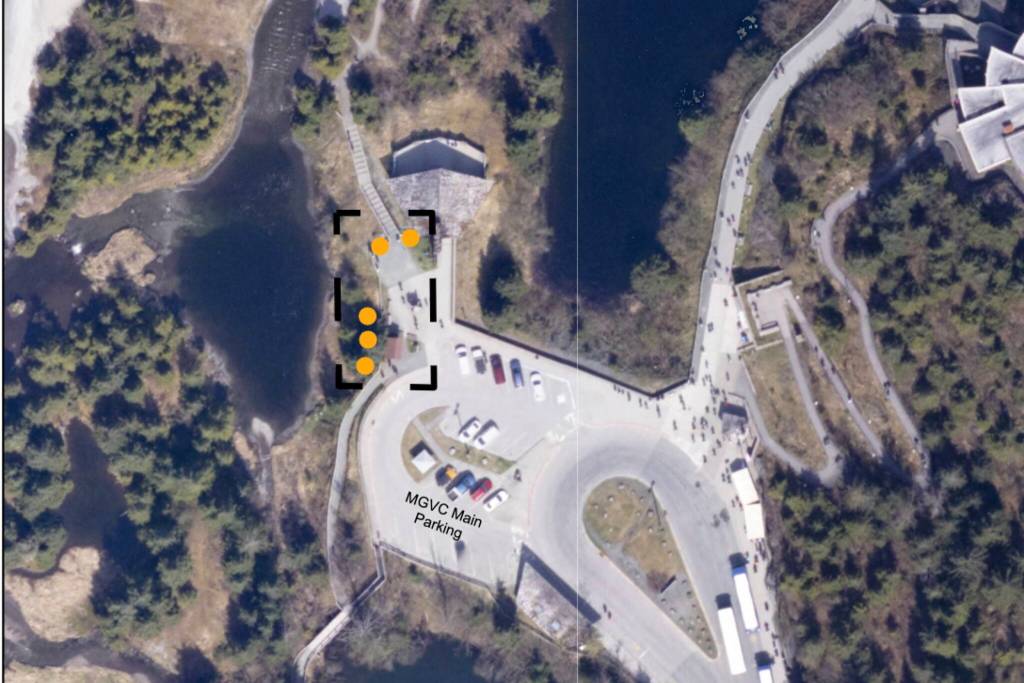
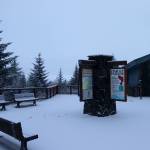
What’s being called the Kootéeyaa Project would feature up to five totem poles near the pavilion next to the main parking lot, with officials hoping to raise the first totem in 2026. The initial proposal states local tribal artists to be determined will carve totems representing four area A’akw Kwaan clans (L’eeneidí, Wooshkeetaan, L’uknax.adi and Gaanaxádí) plus an additional totem representing the Central Council of the Tlingit and Haida Indian Tribes of Alaska, which has a co-stewardship agreement with the U.S. Forest Service for managing the visitor center.
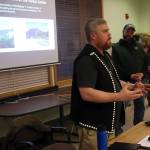
“No big decisions have been made,” said Michael Downs, the Juneau District ranger for the Forest Service, during an open house at the ranger station Wednesday. “There’s plenty of time for these great discussions. I want you to all understand that. And I think the tribe will certainly listen, and want to talk to people and want to have discussions. So this is not like something’s going to happen tomorrow.”
In addition to unknowns such as who would carve the totems, their exact placement and environmental considerations, each of the totems is expected to cost about $250,000 “and we don’t have any money right now,” Downs said.
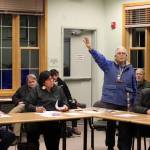
About 30 people were present while an overview of the project was shown during the initial part of the three-hour open house, most of them local tribal residents with divided opinions about various aspects of the initial proposal. Yaanishtuk Mike Tagaban said his understanding from talking with an area elder is “we had eight clan houses in our village downtown, not four.”
“I understand where you’re getting your research, but it needs to be expanded to include local knowledge, not something that was written down in a book,” he said. “And unfortunately a lot of our history — our oral history — is disappearing. The baseline knowledge is disappearing rather quickly. And I appreciate what you’re doing, but if we’re going to put poles up there I would be looking towards the eight houses in our village here.”
Also, Tagaban said, proper thinking indicates “A’akw Kwaan is still the owner of the land, and will have to make the final decision as to what we will allow on our land and not allow on our land.” However, instead with the proposal “you’re going to come to my house and put something up, and rearrange something that I’m satisfied with the way it is. Now you’re trying to buy me into accepting the change. What is the benefit to our people?”
The process to develop the proposed project — officially published in a Forest Service notice Jan. 8 — was also criticized by residents who said they didn’t know about it until a social media post about the open house was published Tuesday.
“Who came up with these totems and is this the first meeting that’s occurred to work things out, or where were the decisions made from?” said Fran Houston, a tribal spokesperson for the Áak’w Kwáan. “These are questions that I have because if there was past meetings I wasn’t informed. So just to let you know I’m a little bit on the disappointed side.”
Other attendees, however, encouraged support for the project and its intent, even if the process and specifics so far aren’t perfect. Neilg̱áa Koogéi Taija Revels, executive director of the Goldbelt Heritage Foundation, said she understands the frustration that lands that used to be tribal fishing camps are now a national forest, but the Kootéeyaa Project “brings us opportunities to right the wrongs.”
“I know this isn’t the way that we do things, that we’re forced into a Western process where we have to get permission first before we can start talking to the clans about designs, how we’re going to do this properly,” she said. “This is where we are in the process of colonization. But this doesn’t mean that it needs to dictate how we’re going to go forward. This also gives us the opportunity to correct a lie that continues to be perpetuated — that natural equals absence of Indigenous people, that wild means that there was no one here.”
The stewardship agreement Tlingit and Haida signed with the Forest Service in the fall of 2023 resulted in ten local tribal members being hired as cultural ambassadors at the visitor center for the first time during last year’s tourism season. One of them, Lee Miller Sr., said during Wednesday’s meeting what’s happening now through the stewardship is a learning process that is proving beneficial to all and the Kootéeyaa Project can further boost that progress.
“This is a brand new adventure for all of us,” he said. “I worked out there last year and I can tell you by talking to the people coming out there they want to know — when you start talking about your history and being born here, and what it was like in the ‘50s and ‘60s, they want to know. When I told them about the whole (stewardship) project they were eating it up.”
“This is a learning process for the Forest Service, and for Tlingit and Haida,” he said. “We learn every day. They learn from us. We learn from them. But the one thing that I learned last year is we came together. We have a project and we are all dedicated to it.”
Tlingit and Haida has endorsed the totem pole project.
”This project represents a significant step towards acknowledging and honoring the deep-rooted connection our people have to this land,” CCTHITA President Chalyee Éesh Richard Peterson wrote in a post on his Facebook page Tuesday. “For generations, totem poles have served as powerful storytellers, preserving our history, values, and cultural identity. They are not simply art; they are living embodiments of our ancestors’ wisdom and artistry. By erecting these poles at the visitor center, we create a space where our stories can be shared with the world, fostering understanding and appreciation for our rich heritage.”
Public comments about the Kootéeyaa Project can be sent to Victoria Sutton at victoria.sutton@usda.gov, with the Forest Service’s notice stating “those received by January 28, 2025, will be most helpful.”
• Contact Mark Sabbatini at mark.sabbatini@juneauempire.com or (907) 957-2306.