Planet Alaska: Welcome to Alaska, now please go home
Published 6:00 am Wednesday, October 17, 2018
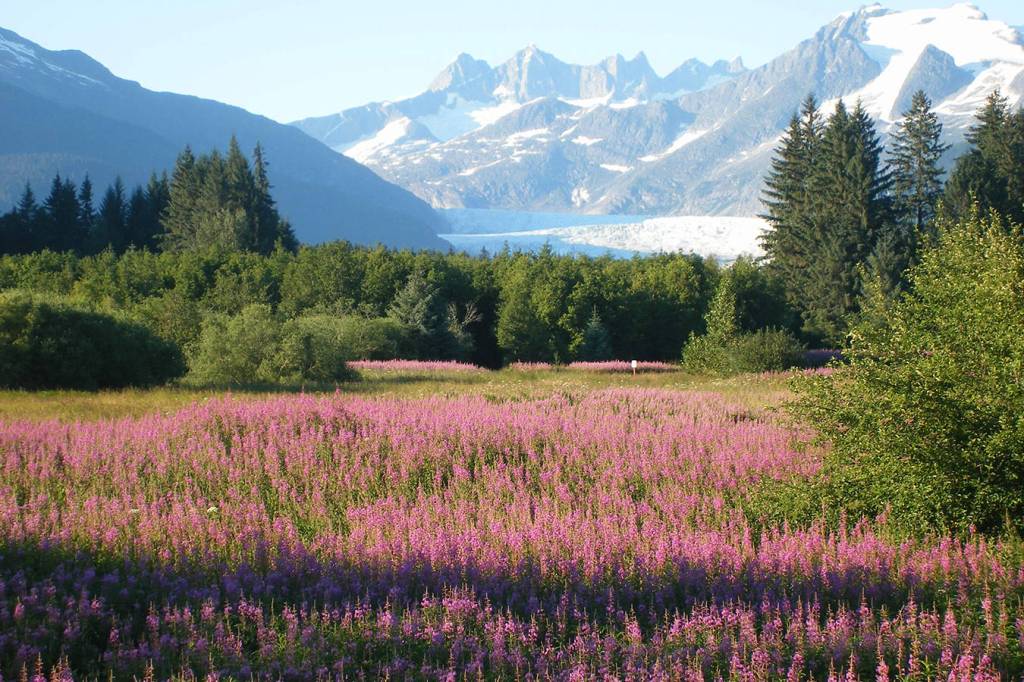


Welcome to Alaska, now please go home.
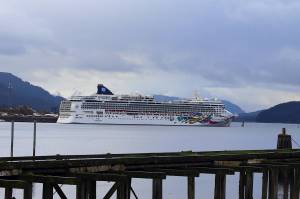
One of many Alaskans’ favorite times of year is finally upon us: the end of tourist season! We finally get our towns back, our streets back, our stores back (except the ones that shut down for locals and open for visitors). We get our favorite restaurants back, our favorite beaches, our favorite trails, and we get back our favorite places to play outside. We get Alaska back. We can finally walk downtown again. The flow of our towns return to normal. This is the time of year when we are not inundated with questions such as “What elevation are we at? Do you know Sarah Palin? Can you see Russia from here? When do they wash the glaciers off? Are the bears dangerous? But doesn’t the government pay you to live here? Where are the real Native Americans?” Alaskans are back to passing each other on the street and saying hello, giving the head nod, and waving again. We can finally drive through town without people with cameras stepping out in front of our cars. The end of tourist season is great.
As someone who works as a guide in Alaska, I’m all too aware of the complexities of our love/hate relationship with this industry. As Alaskans building an ever-changing tourism industry, we need to ask ourselves hard questions. Tourism is our fastest growing industry and a renewable resource. It can be sustainable in a way that provides a decent quality life for Alaskans and a quality experience for our visitors. Tourism employs almost 40,000 people and brings in around $4 billion dollars in Alaska. A recent article put out by leaders in the tourism industry in Alaska claim the number of visitors may grow by 25 percent next year. Wow! That’s a lot. Are we ready?
Are we ready for rapid growth?
Do we want tourism to grow to that extent?
What should that growth look like?
How does the growing tourism industry positively affect Alaska and Alaskans?
How does the growing tourism industry negatively affect Alaska and Alaskans?
How will this impact our environment?
How will this impact our ocean, our fish, and our whales?
How will this impact our forests?
How will this impact our bears?
What kind of positive and negative repercussions will this have on our Native people?
What ramifications will this have on our water supplies if we continue to have droughts in our rainforest?
How many Alaskans own the businesses related to the tourism industry?
How many Alaskans are employed by the tourism industry?
How many Alaskans employed in tourism were born and raised here?
What non-Alaskan owned tourism companies are growing? How are they growing, and who are they employing?
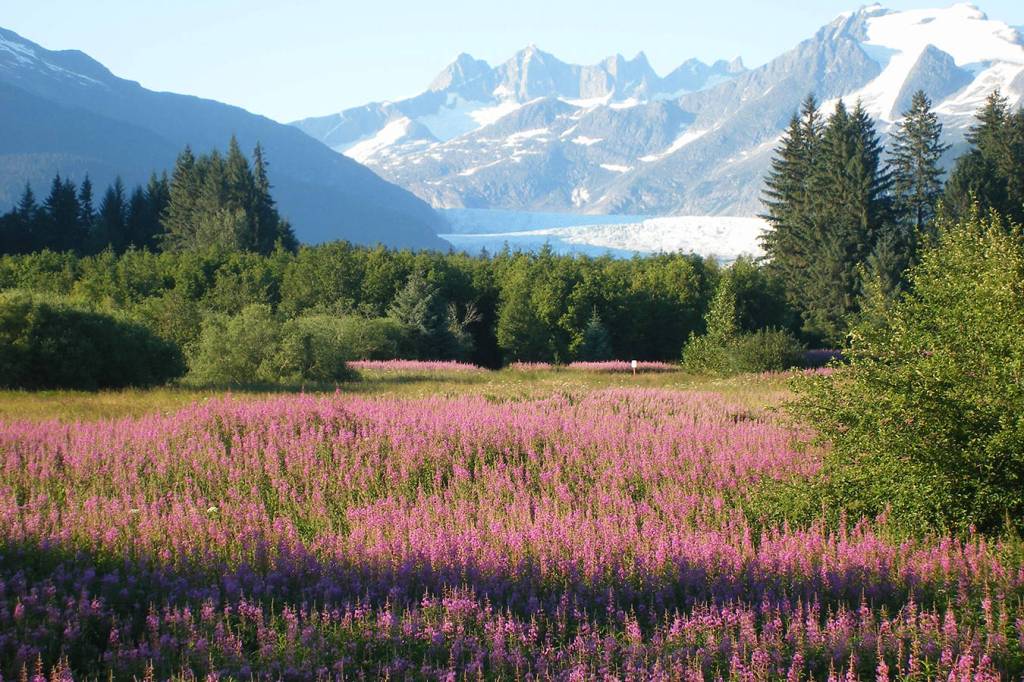
How many tourists can visit the Mendenhall Glacier in a day and still have it be a pleasant experience?
How many tourists can we have on our downtown streets in a day?
Do we have enough small boat tours to accommodate visitors and how many small boat tours are too much for locals to deal with on our ocean?
Do we have local Alaskan companies who can better train guides within Alaska so inaccurate information is not shared as frequently as it is now?
Can on-ship training and community introductions for visitors better inform pedestrians of sidewalk and crosswalk use? Should it be mandatory for all visitors before disembarking into our communities?
How can cruise ships warn people about Indian celery? It’d make our jobs a lot easier.
How can we make sure cruise ships give the visitors bear safety 101 before they visit even one place in Alaska?
We have lots of questions and Alaskans should have more community input about how this industry develops and grows.
This summer many of us watched the videos of the cruise ships discharging contaminated water while tied up to the docks here. Just because it’s been legal for the last few years but this doesn’t mean it’s OK for our ocean and beaches that we live off of. This summer we experienced some exceptionally large ships with large numbers of people. Those were some interesting days in our communities for sure. Many of us saw the video of the man approaching the bears in the Katmai National Park for a selfie. Unfortunately, he was not the first nor will he be the last visitor to do something as dumb. This summer, in many areas of Alaska, we’ve experienced record lows levels of king salmon and sockeye returns and we’ve seen our halibut decreasing as well. The increase in charter fishing also seems to be something we need to be talking about in our communities even more now.
Many of our communities in Southeast Alaska have inadequate infrastructure for a huge jump in the number of visitors projected in the upcoming years. We are about to be overcrowded more than we already are. We will experience increased visitor fatigue. A larger concern is also the safety of our visitors. This should be addressed as soon as possible before visitors arrive next season. An increase in visitors means a greater impact on our environment. Also, as our off the beaten path travelers, who tend to stay longer, increase, locals access to affordable housing decreases. Everything will be affected in Alaska, in both positive and negative ways, and we need to be constantly weighing up the pros and cons in our communities.
Cruise ship destinations around the world have been addressing these concerns by capping the number of visitors they’ll allow in certain locations. The leaders in Alaska’s tourism industry have ideas about how many more visitors they’d like to see visiting Alaska, but what do Alaskans who aren’t in the tourism industry feel about this increase? What number of visitors to your community is too many?
People have asked me many questions about tourism and there isn’t one right answer to most of those questions. It’s a complex industry that’ll take complex solutions and constant conversations. Alaska’s tourism industry should be an industry that’s good for Alaskans economically, environmentally, culturally and socially. The tourism industry isn’t just about profit. More is not always better. Sometimes too much too quickly is not the best situation. In this case that includes not only Alaskans, but the visitors’ experiences, too.
We Alaskans are now back to passing each other on the street and saying hello, giving the head nod, and waving at one other again. We can finally drive through town without people with cameras stepping out in front of our cars. Yes, we love our visitors, but it’s the end of the year so I’m often thinking to myself “welcome to Alaska, now please go home.”
• Wrangell writer and artist Vivian Faith Prescott writes “Planet Alaska: Sharing our Stories” with her daughter, Vivian Mork Yéilk’.