New medically assisted treatment clinic opens
Published 10:30 pm Thursday, March 24, 2022
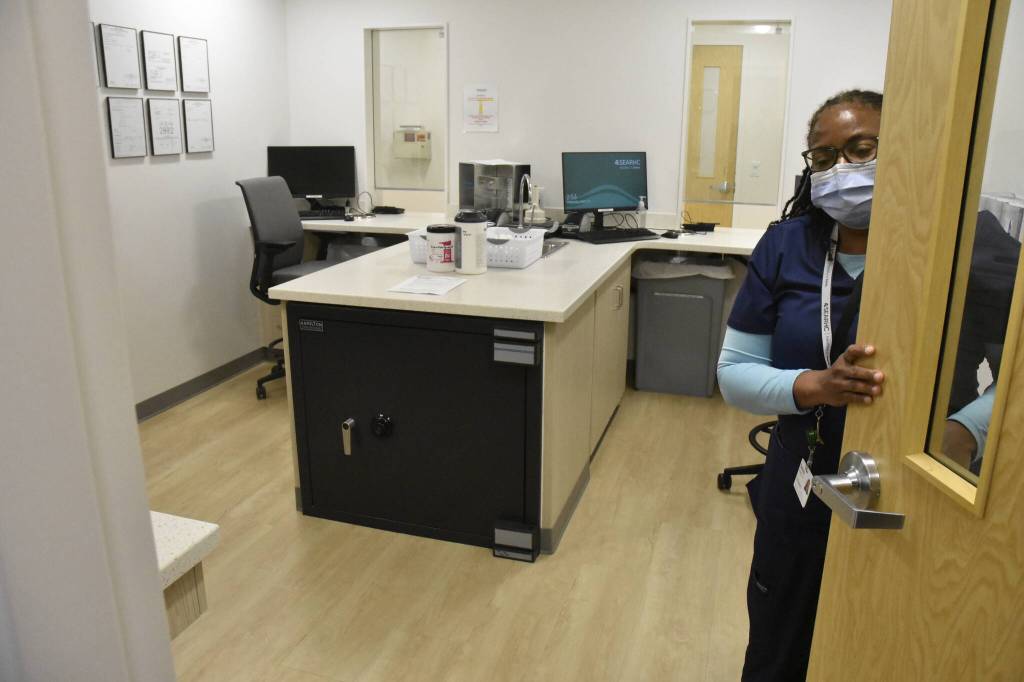
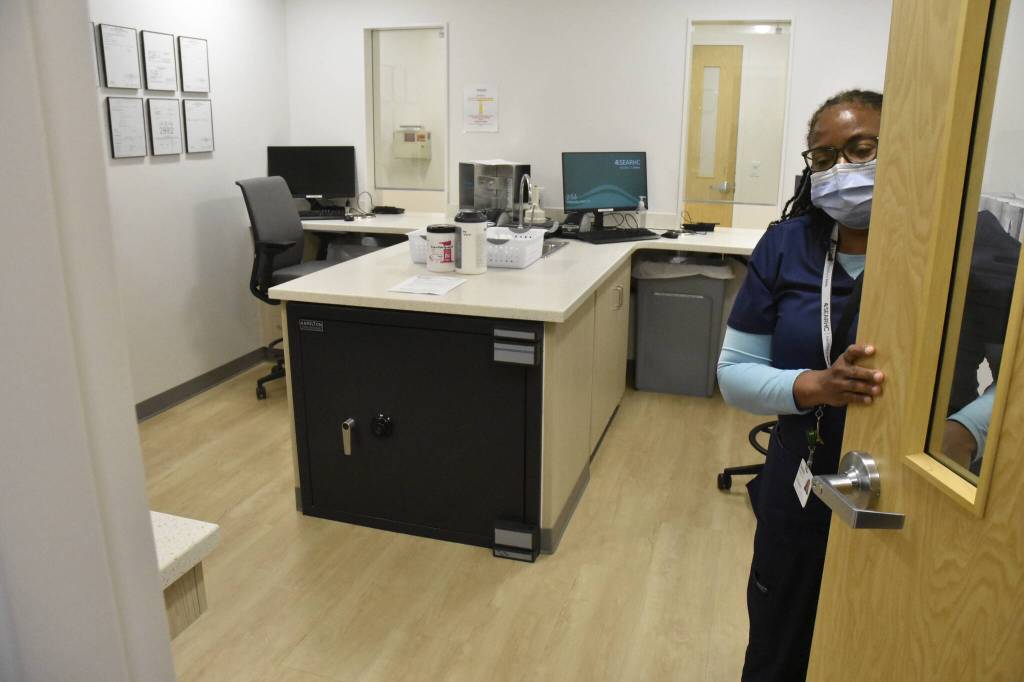


Southeast Alaska Regional Health Consortium has opened a medically assisted treatment clinic for opioid addiction at its Front Street Clinic location in downtown Juneau, the first of its kind in Southeast Alaska.
The clinic opened in late February said Claudette Thor, manager of Front Street Clinic, and currently has 30 patients with capacity for up to 100. Medically assisted treatment, or MAT, is when people suffering from opioid addiction are given low doses of a controlled opioid in order to stabilize the effects of opioid withdrawal. The U.S. Food and Drug Administration has approved three drugs — buprenorphine, methadone and naltrexone — which the new clinic provides, Thor said, but the main drug dispensed there is methadone.
“Treatments individualized based upon the patient,” Thor told the Empire. “The patient does a full substance-use assessment, we provide counseling services both group and individual, and case management services to help meet some of those basic needs.”
The clinic is tightly regulated by state and federal standards, Thor said, and in addition to providing MAT the clinic also has a range of case management services available to try and help patients in need get back on their feet. According to the FDA, opioid treatment drugs like methadone and buprenorphine have been demonstrated to be safe and effective in combination with counseling and psychological support.
Former Gov. Bill Walker declared opioid abuse in Alaska a public health disaster in 2017, but according to SEARHC’s Vice President of Behavioral Health Eric Gettis, a record number of people died from drug overdose deaths in 2021.
[Charity dinner and auction to benefit Ukraine]
“The biggest takeaway that I saw was in 2021, there were 245 people in Alaska who died from drug overdose. That oftentimes is opiate, heroin, fentanyl, but it can also be a combination with methamphetamine,” Gettis said. “There were 245, the five-year average from 2020-2016 was 130 deaths, in the last year, We’ve had an 87% increase in people dying because of drug overdose.”
The SEARHC Board and tribal leaders were very clear that addressing the opioid epidemic and substance use in general throughout the SEARHC communities was imperative, Gettis said.
“They have been fully behind our efforts to enhance substance use issues throughout the SEARHC communities and you’ll see that in this program and some others,” Gettis said.
The clinic is open to anyone, Gettis said, and said prospective patients or their families should call 907-463-0600.
Earlier this month the Alaska Department of Law announced the state will receive $58 million as part of a multi-state settlement against a range of opioid manufacturers. The department also announced in February Alaska will receive over $1 million as part of a different multi-state lawsuit against a company that consulted for Purdue Pharma, the company widely accused of driving the opioid crisis. According to the Associated Press, Purdue has been accused of lying about the addictiveness of its best-selling drug, the opioid pain killer OxyContin, and aggressively marketing the drug.
According to the Substance Abuse and Mental Health Services Administration, in combination with counseling services MAT has been shown to decrease illicit opioid use and criminal activity among people with substance abuse disorders and increase retention in treatment.
“We take the disease model approach with addiction medicine, so it’s something that’s chronic and relapsing that patients experience. We define success differently and depending on who each patient is and what their goals are,” said Dr. Corey Cox, a physician with SEARHC who works at the clinic.
“From the outside this person might not reach all the societal standards of success but from our standpoint, from where they began we’re in a whole different position,” Cox said. “They’re happier they’re contributing to society they’re not a burden on our health care system and our shared resources.”
How long people stay in the MAT program depends upon the person, Cox said, and there are people who can leave the program and successfully stay off opioids. However, clinical trials have been inconclusive about determining the right amount of time.
“At every single thing that we’ve looked at people seem to do better as a whole do better in the program, and we kind of counsel patients on that but we know patients don’t want to be in these programs forever,” Cox said. “When they get to a stable point in their lives and want to move on we’re happy to do that and we do that slowly with them with a lot of guidance and support.”
• Contact reporter Peter Segall at psegall@juneauempire.com. Follow him on Twitter at @SegallJnuEmpire.