Murkowski, Sullivan warn of domestic, foreign threats to Southeast Alaska’s economy
Published 9:30 pm Friday, September 22, 2023
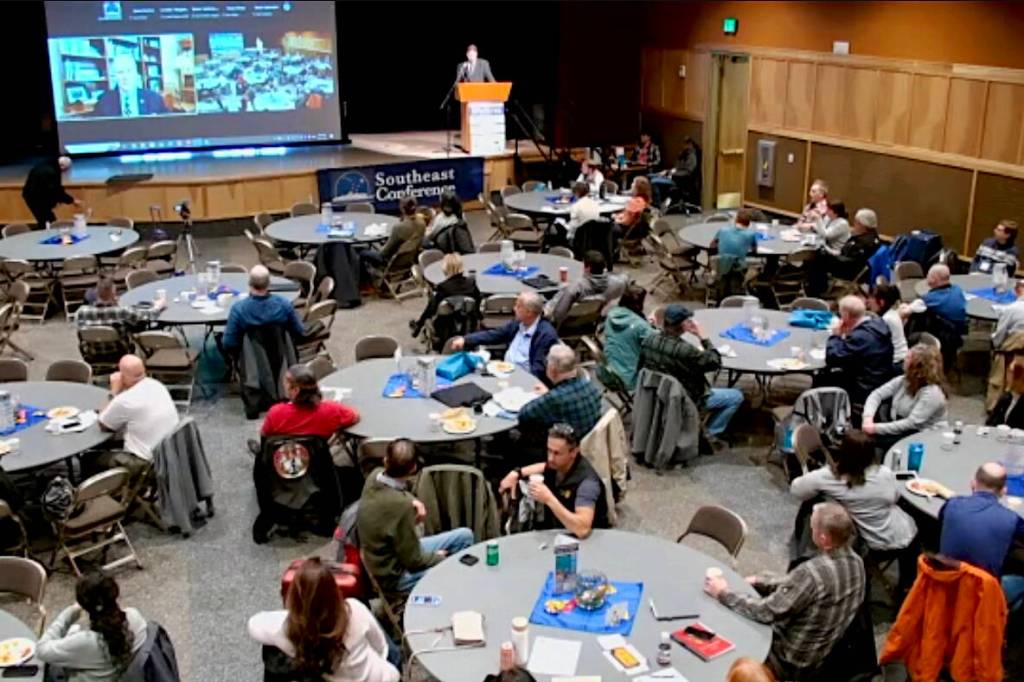
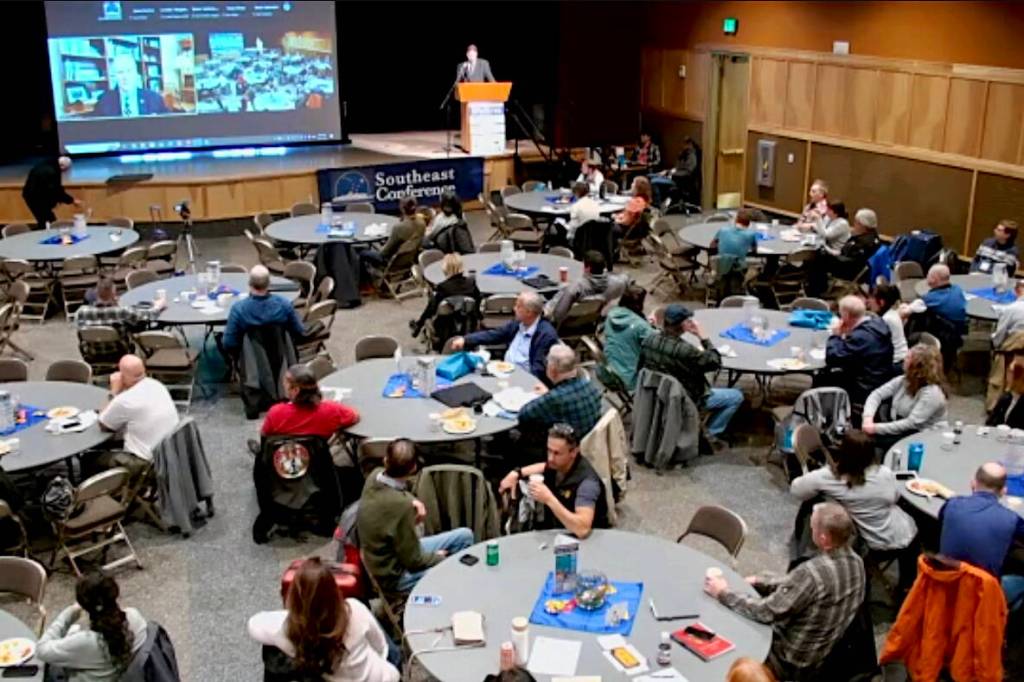


Enemies foreign and domestic are posing threats to Southeast Alaska at a time when the region’s economy is experiencing a post-pandemic surge fueled to a large extent by political achievements, the state’s two U.S. senators told attendees at the annual Southeast Conference during the past week.
Threats from Russia and China to industries such as fishing and mining, and people ranging from environmentalists to politicians within the U.S. posing further risks, were cited in various ways as problematic by Republican Sens. Lisa Murkowski and Dan Sullivan as they addressed the conference in Sitka by video on separate days.
Both senators also touted lengthy lists of claimed accomplishments during the past year for the region, ranging from funding for infrastructure projects to working to ensure U.S. Coast Guard personnel in the region get paid if a budget stalemate forces a government shutdown at the end of the month.
The three-day conference that ended Thursday brings together hundreds of regional political, business, tribal and other officials to discuss various policies and proposals. Alaska’s congressional delegation is typically among the public officials who address the conference remotely or in person, although this year Democratic U.S. Rep. Mary Peltola was absent due to the recent death of her husband in a plane crash.
Murkowski, generally seen as a moderate, and Sullivan, a frequent critic of the Biden administration and whose voting record is more conservative, differed in many of their points of emphasis. But one common and early-discussed theme by both was fisheries and concerns about Russia in particular exploiting a loophole to bypass a ban on its seafood being imported, imposed by the U.S. last year in response to Russia’s invasion of Ukraine.
Alaska’s delegation is sponsoring a bill to close the loophole, which allows Russia to see seafood in the U.S. if has undergone significant processing or other transformation in another country.
“If there was ever a time to fully ban Russian-origin seafood from entering U.S. markets it’s now,” Murkowski said during her speech to the conference Wednesday. “I’m working closely with Dan and Mary to close the loopholes that Russia is exploiting, and we’re pressing the Biden administration to do the same.”
The concerns about Russian imports come as Southeast Alaska and the rest of the state are suffering a multitude of fisheries problems, ranging from climate change and other natural factors affecting populations to legal action such as a lawsuit by a Washington-based group that sought to shut down king salmon troll fisheries this summer.
Sullivan, summarizing legislative achievements from the past year during his speech Thursday, referred to the Alaska Salmon Research Task Force Act that he and Murkowski sponsored, and was signed into law late last year. Nineteen people representing interests such as subsistence users, the fishing industry and scientists were named to the task force under the authority of the National Oceanic and Atmospheric Administration’s Fisheries Service
“So we are all in with this Alaska Salmon Research Task Force to find the federal gaps in research on what we need to do to bring the best minds literally in the world, not just in the state, to figure out what is causing these real declines in some of the big runs,” Sullivan said. “So stay tuned on that. These salmon declines are unacceptable. We got to get to the bottom of this.”
Sullivan singled out another foreign adversary — China — when discussing Southeast Alaska’s mining industry. He said the region, along with other areas of the state, are promising sources of critical minerals such as cobalt, gold and rare earth elements, and he criticized the Biden administration and others who are opposing efforts to tap those resources.
“We need critical minerals, whether it’s for our defense industry or for the renewable energy sector and, as all of you know, right now we get so much of that from China,” Sullivan said. “It makes no sense whatsoever to get these minerals and have them processed all in China when they have horrible human rights conditions or horrible environmental conditions. And you know they’re an adversary of ours.”
Criticism of some officials closer to home — within the state — was expressed by Murkowski when offering an update about hundreds of millions of dollars in funding secured for upgrades to the Alaska Marine Highway system during a five-year period. She has repeatedly expressed concern since the funding was approved, largely in the 2021 bipartisan infrastructure bill, the money is not being used fully or as intended to make vessel and infrastructure improvements, rather than using it simply to maintain existing operations.
“I’m worried we’ve got a five-year window, not a 15-year stream to fix this,” she said. “And near the end of year two we still don’t have a long-term plan for the marine highway system. Now we’re on track to deliver better service and a new vessel or two. But when the infrastructure bill’s funding is exhausted we’re going to find ourselves hanging over a cliff. And perhaps without the dollars needed for continued operations, maintenance and upgrades. We simply cannot let that happen.”
Ships and staff for them were also on Sullivan’s mind, as he cited a port facility for the NOAA ship Fairweather opening in Ketchikan during the past year as one of his achievements. He also said he was spending the day of his speech trying to advance the Coast Guard Reauthorization Act which, among other things, will ensure members get paid if there is a shutdown — something that didn’t happen during the last federal shutdown that lasted for 35 days in 2018 and 2019.
Both senators have visited Alaska in recent weeks, sometimes accompanied by other federal lawmakers or government officials, such as Murkowski’s mid-August visit with U.S. Transportation Secretary Pete Buttigieg that included a stop in Juneau. Sullivan, while criticizing the Biden administration for recent actions such canceling leases in the Alaska National Wildlife Refuge and calling an effort by the Republican-led House to impeach the president a “legitimate line of inquiry,” said he nonetheless welcomes the frequent trips officials are making to the state.
“In any administration — whether it’s President Obama or President Trump or President Biden — that is a core ask,” Sullivan said. “I always say ‘Hey, if you’re new and if you’re going to get my support for your confirmation you’ve got to commit to me to coming to Alaska. And you know they all do and they all end up really learning a lot.”
• Contact Mark Sabbatini at mark.sabbatini@juneauempire.com or (907) 957-2306.