Long-awaited ferry reshaping report released
Published 9:30 pm Wednesday, October 21, 2020


This is story has been updated to include new information.
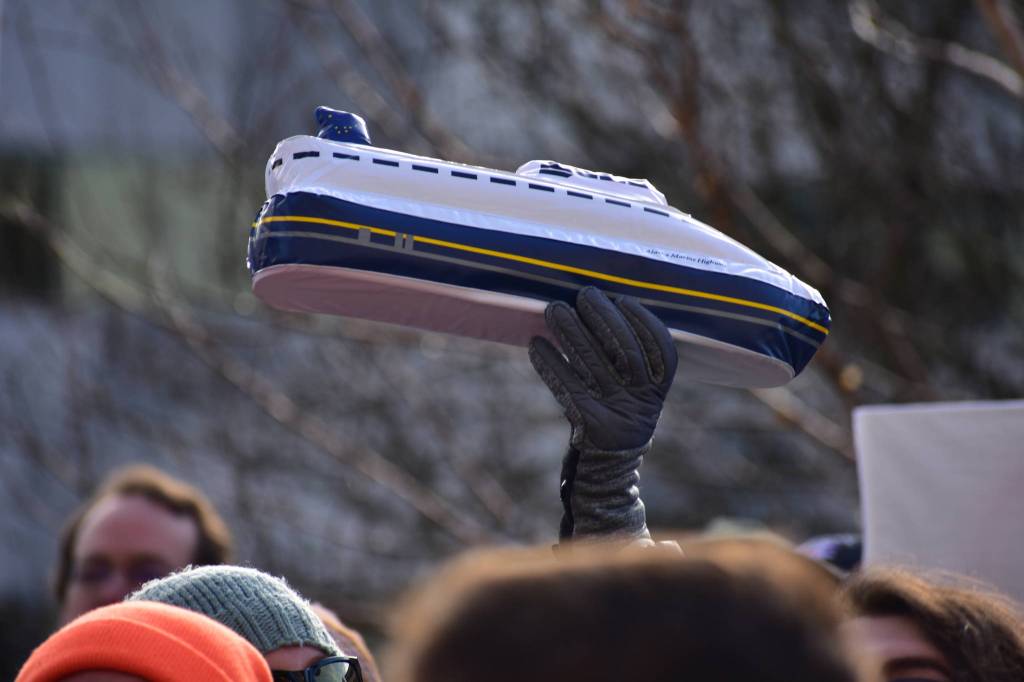
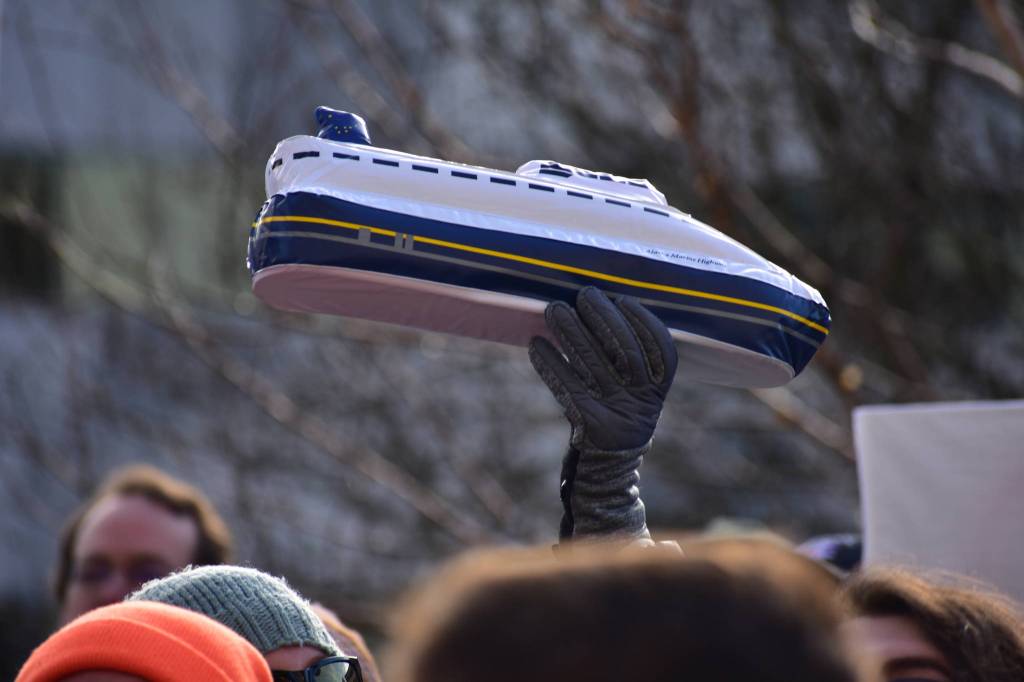
The Alaska Marine Highway Reshaping Work Group released its final report Thursday afternoon, providing recommendations on ways to improve the state’s ferry system.
The report details the nine-member work group’s findings and recommendations around several key areas, such as reducing costs, raising revenue and strengthening the system’s governance. The report also includes a draft implementation plan with actions that could begin as soon as November.
Recommendations included creating a new governing board composed of industry professionals and other interested parties to manage the ferry system. The report suggests a nine-member board that would have broad discretion over AMHS operations. Changing policy at the state level makes long-term planning for the ferry system difficult, the report said, and said a board could provide a better, more business-centered focus.
”More well-grounded outside advice focused on business and financial practices, ferry system fleet planning and maintenance, pricing and service models, and capital asset investment, much as a board of directors provides a corporation, would benefit AMHS,” the report says.
Like the work-group itself, the report recommends the board should be made up of individuals representing various professions and backgrounds.
“A notional structure, purpose, and skill for such a board would include three members with business experience, preferably one or more in the marine business field, three members with strong marine operating, maintenance and vessel construction experience, two public members, one of which would represent Alaska Native interests, a union representative, and another person with experience in organization transformation,” the report says.
[Ferry work group says $24M subsidy insufficient]
Gov. Mike Dunleavy formed the reshaping work group in January with union representatives and elected officials among others, including Southeast Conference Executive Director Robert Venables, who said that while his organization would review and make its own comments on the report he was mostly pleased with the outcome.
“I was very glad to see a focus on management and governance structure, actionable steps, that will improve the organization,” he said in a phone interview Thursday. “If the governor acts on these recommendations it’ll address some of the issues that plague the core of the Alaska Marine Highway System.”
Venables noted the report contained only recommendations that were likely to change before being fully implemented.
The report cites labor as a significant cost for AMHS and recommends finding ways to bring those costs down.
“As personnel costs make up almost 70% of vessel operating costs, significant system operational savings cannot be achieved without substantially lowering personnel costs,” the report says. “Although challenging for both parties, achieving cost savings, by agreement is preferable to other authorized actions that impair system operation.”
The report says contracts with maritime unions will need to be renegotiated to allow for “changes that optimally match vessel capacity, routing and scheduling to seasonal and demand requirements, increase system flexibility and lower system labor cost.”
Calls to representatives from The Inland Boatman’s Union of the Pacific and Marine Engineers’ Beneficial Association were not immediately returned.
• Contact reporter Peter Segall at psegall@juneauempire.com. Follow him on Twitter at @SegallJnuEmpire.
Read the full report below