Woven Peoples and Place: Fireweed jelly with Haida Botanicals
Published 10:30 pm Sunday, August 3, 2025
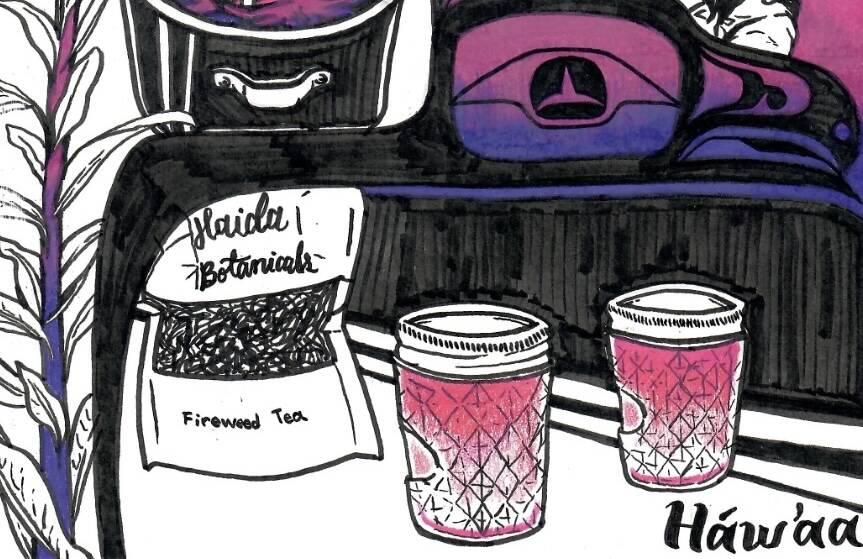
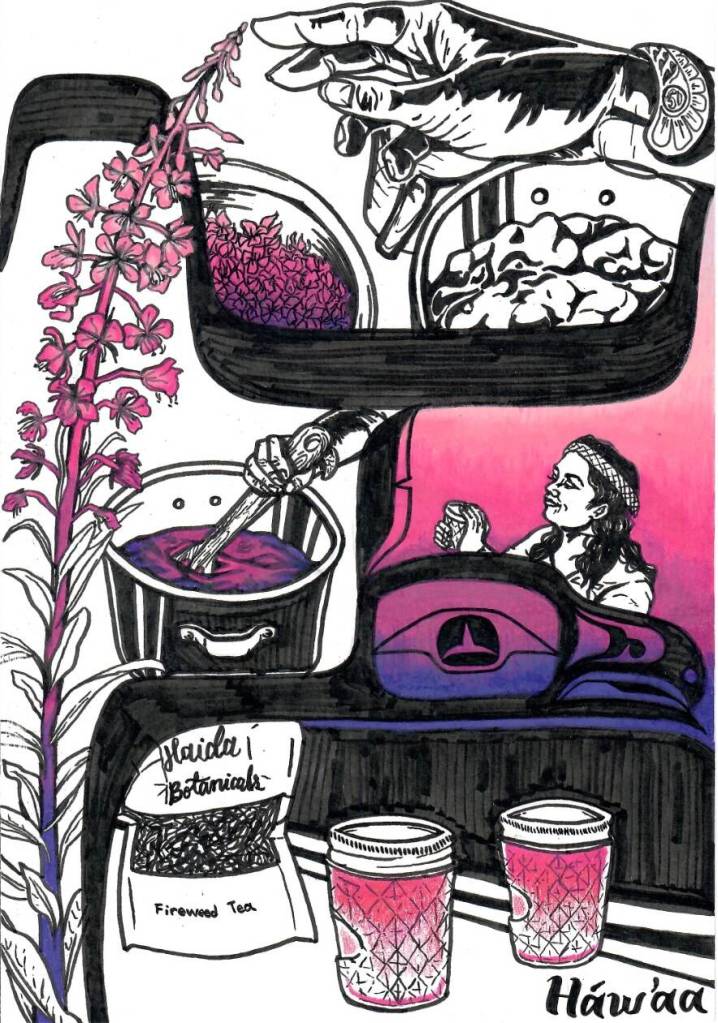


Among dew-dripping ferns and cascades of hemlock and spruce, lay intricately woven reminders of the passage of time and our connection to the land. Salmon spawn keeps us rooted in cycles of reciprocity and balance, while fireweed buds mark the swift changes in season. The land guides us in lessons if we lend our eyes and ears to hear it.
It’s been about 20 years since Jennifer Mooney had the idea for Haida Botanicals, an Indigenous, woman-owned business that highlights sustainable harvesting practices, values of reciprocity, and Jennifer’s own creative foods made from locally harvested plants. Born and raised in Hydaburg on Prince of Wales Island, Jennifer grew up surrounded by an abundance of her traditional plants, foods and medicines.
Jennifer’s business, which was announced last month as one of 12 finalists in Spruce Root’s Path to Prosperity Business Competition, marks a continuation of her sharing traditional foods with friends and family. She often shares with family members who are unable to harvest themselves or live away from their traditional homelands.
“Auntie Sister Dolly probably hasn’t been to Hydaburg in over 20 years,” says Mooney, who sends her an annual package of traditional foods. “Just to have that reminder of home means so much. It keeps me connected to her, through our food and seeing the importance of it to her.”
Another undeniable quality of Haida Botanicals is connecting with the land in respectful ways. For Jennifer Mooney, her understanding of the land comes from generations of growing alongside its forests. “When I was in grade school I lived with my Naan and so a lot of what I have learned came from her and the teachings that she got from her mother. Growing up, one of the things she had us do during the summer was harvest berries every day. So, that helped foster this love of plants and berries that I have today.”
Through buckets of wild huckleberries and salmonberries, Jennifer learned a sense of responsibility and connection to the land, her ancestors, and her traditional foods.
“I feel blessed because so much of the plants that we traditionally have are medicinal. For example, fireweed, even as a tea or a jam, you’re still getting all the medicinal benefits and that’s awesome because it’s so delicious.”
With gratitude for the abundance of gifts that the land has to provide, it is important to be mindful and respectful of the plant’s limits. As Jennifer describes, “It’s important to stress that you never want to take all of any plant; whether it’s flowers or berries that you’re getting, be mindful of the life of the plant. I’ve seen horrible practices caused by people harvesting haphazardly. So when I go to gather my fireweed, I go with the intention that I want to also be able to come back later or that I want somebody behind me to still be able to have enough to gather.”
An important ingredient to any recipe is the positive intentions you hold while picking — your commitment to being a caretaker of the resource and the abundance for your community.
Fireweed Jelly
Ingredients
6-quart pot
9 8-ounce jars (or jar sizes of your choosing)
8 cups of fireweed blossoms
1 tablespoon of lemon juice
1 package of sure jell (~1.75 ounces pectin)
7 cups sugar
Instructions:
Only take what you need from one spot. When I’m harvesting fireweed, I start as the plant begins to bloom and wait till it gets a couple inches up in its blossoms. I reach out my hand toward the fireweed and close my fist, not tightly, just around the blossoms. So that way when I pull away, I don’t pull every one of them off. I do that twice on each plant on the front side and backside and then I move on to the next plant so that I’m never taking too much.
Add six cups of water in a 6-quart pot with the eight cups of fireweed flowers. Bring that to a low boil. Once it begins to boil, turn it down to medium-low and simmer for 45 minutes. You want to simmer until all the color is gone from your flowers. It is common to expect varying brown shades of tea or even purple. After it’s done simmering, with all the colors gone from the flowers, cool it down to room temperature. After that, put a cover on it and let it cool down.
Once cooled down, strain the mixture into your pot using a cheesecloth by hanging it until it stops dripping. After that you can give the mixture a gentle squeeze if needed. You’re looking for four cups of finished tea for your jelly.
With the four cups of tea, add one tablespoon of lemon juice.
Using a whisk, mix in 1 package of sure jell. Turn the pot on high, stirring constantly until it comes to a full rolling boil.
Mix in sugar, continuously stirring until the fireweed mixture reaches a full rolling boil again. Set a timer for one minute and then remove from heat.
Scoop off any foam and pour quickly into clean jars, sealing the jars at once. This recipe will make nine, 8-ounce jars.
Please be respectful in your harvest practices and don’t forget the importance of sharing part of your harvest and products with elders, family, and friends.
“Woven Peoples and Place” is the monthly column of the Sustainable Southeast Partnership (SSP). SSP is a dynamic collective impact network uniting diverse skills and perspectives to strengthen cultural, ecological, and economic resilience across Southeast Alaska. Follow along at sustainablesoutheast.net; on Linkedin, Instagram and Facebook at @sustainablesoutheast; and on YouTube @SustainableSoutheastAK.