Living & Growing: The power of symbols
Published 10:30 pm Wednesday, October 27, 2021
By Patricia Turner Custard
“Nothing but a symbol? People die for symbols. People have hope because of symbols. They’re not just lines. They’re histories, cultures, traditions, given shape.”
― Roshani Chokshi
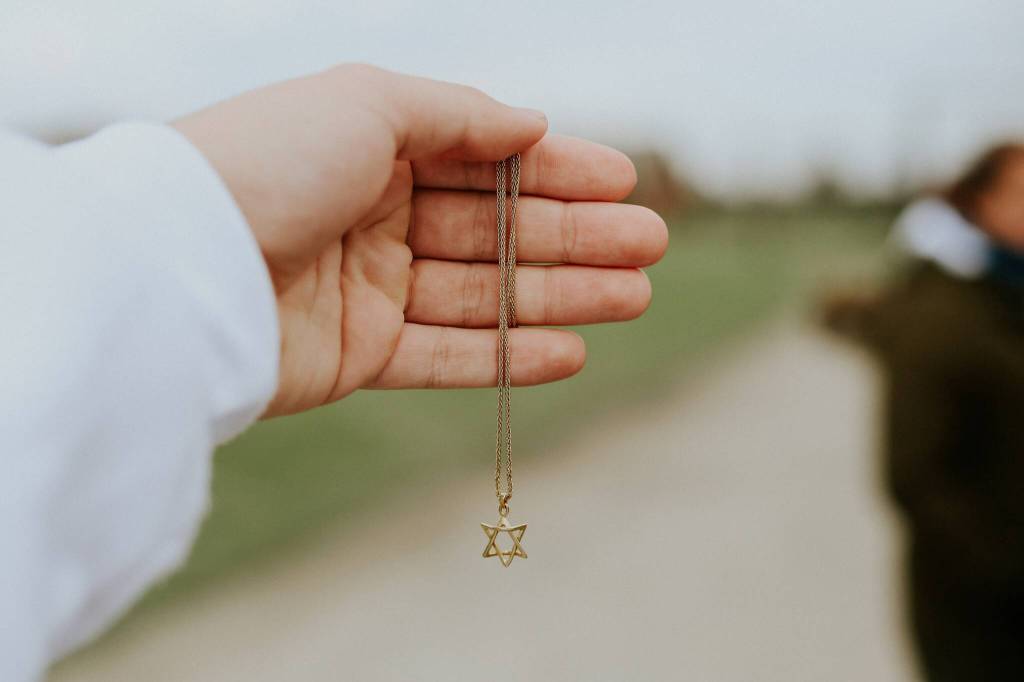
In an era when emojis can form a complete sentence, symbols are more powerful than ever. I wear a necklace from which hangs a Star of David, a symbol of Judaism. I wear this not to necessarily signal to the world that I am a Jew, but to remind me of the the mitzvots, commandments, my faith expects of me. The necklace is a physical reminder for me of all that I believe, something to touch to ground me throughout the day.
The hexagram that came to be called the Star of David, Magen David in Hebrew, was used as a decorative motif in antiquity by many different faiths. The symbol became a representation of the Jewish community and Judaism in the late 1800s. By the early 1900s it was seen on uniforms of Jewish athletic teams and athletes. In 1948, a flag bearing two blue stripes and a blue Star of David on a white background was adopted as the official flag of the new country of Israel.
Many people are most familiar with the Star of David from its use by the Nazis during World War II. Beginning in 1939, the symbol on a yellow background was used to identify Jews. Jews throughout the Nazi controlled areas of Europe were required to wear the yellow Star of David with many, if not all, later forced into work or concentration camps where they were killed. Six million Jews were murdered in this Holocaust.
Recently, the Yellow Star of David has been seen again, this time used by people to signify their perceived victimhood due to their opinions during a global pandemic. The use of this very specific symbol should be disturbing to all people of conscious, but it is particularly disturbing to members of the Jewish community. 1939 may seem like ancient history, but in reality it is just a few generations ago. Many, many Jews, including your Alaskan Jewish friends and neighbors, count family members — grandparents, aunts, uncles, cousins – as either Holocaust survivors or victims. Generational trauma, trauma that gets passed down from those who directly experience an incident to subsequent generations, has been extensively studied in the children and grandchildren of Holocaust survivors. The trauma experienced by our grandparents has been passed down to us; it is literally forged into our DNA. That is why opening the internet or the daily newspaper in the fall of 2021 and seeing the Yellow Star in current use caused pain and anguish to the Jewish community, 82 years after its initial horrible use. The Yellow Star is not a tribute to Jews, it is a horrid, painful reminder of genocide that should be seen only in the pages of history books or in museums dedicated to remembering, and never forgetting, the Holocaust.
I wear a necklace from which hangs the Star of David to connect me with my Judaism. To remind me of the mitzvah of Tikkun olam, to work in repairing the world. To remind me of simcha, the joyous attitude towards life that Judaism seeks to instill. To remind me of tzedakah, of giving to charity as well as supporting social justice. The Star of David for me is a powerful symbol of all that is good. And that is the only way it should ever be used.
• Patricia Turner Custard, Congregation Sukkat Shalom board member. ”Living & Growing” is a weekly column written by different authors and submitted by local clergy and spiritual leaders. It appears every Friday on the Juneau Empire’s Faith page.