Living and Growing: Rethinking Hell?
Published 9:30 pm Tuesday, January 30, 2024
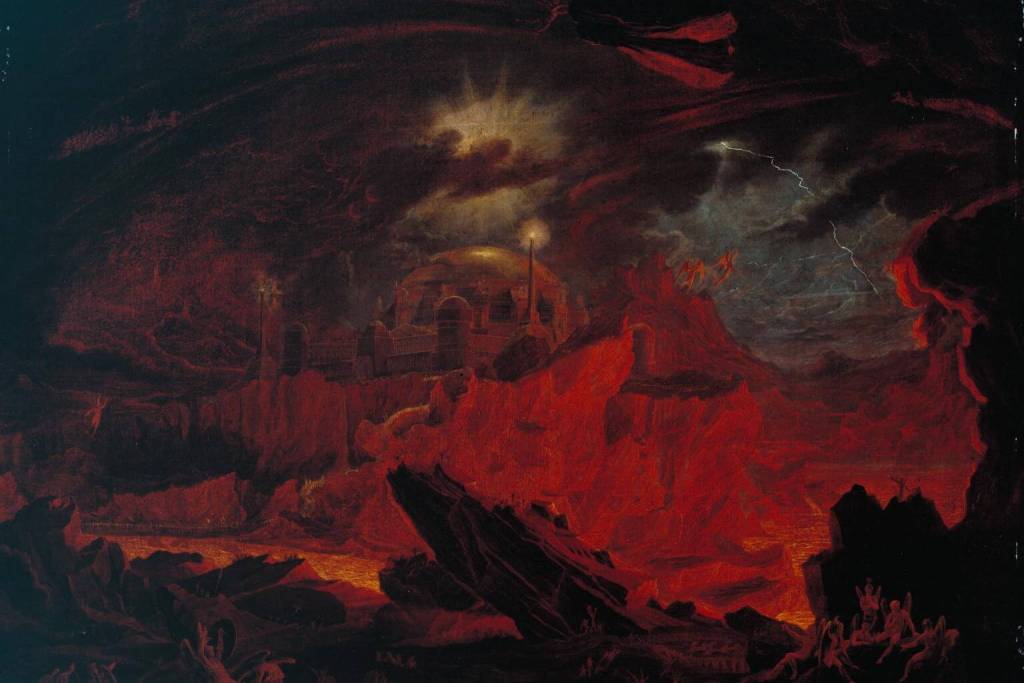
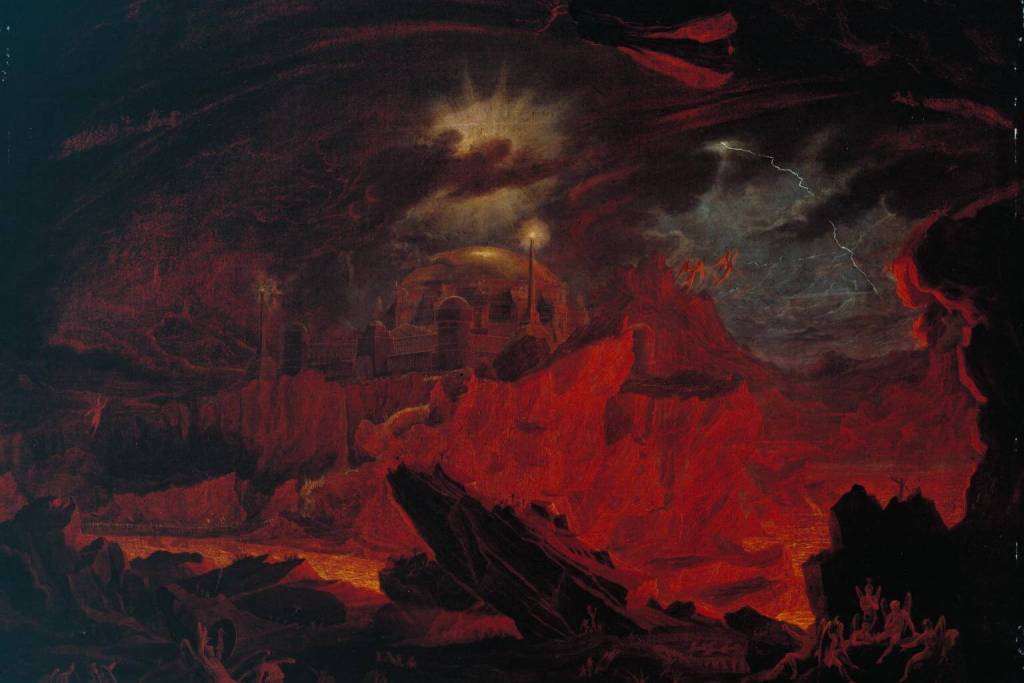


Does a merciful God really torture unbelievers, forever? Now, more than ever, more people reject God. One reason could be the idea of an “eternal, conscious torment.” I helped with a book that addresses this idea; this traditional view of Hell needs to be more closely examined.
Discussion of Hell seems to come and go, maybe because it is such an unpleasant topic. “Heaven or Not?” asks a recent TV ad on the Smithsonian Channel. In Portland, Oregon, a couple years ago, a billboard blurted out: “Where are you going? Heaven or Hell.”
In 2011 Pastor Rob Bell published, “Love Wins,” a New York Times bestseller. What was the big deal? Bell hinted at universalism: everyone would go to Heaven; nobody would go to Hell.
The common view of Hell as “eternal, conscious torment” has been around for centuries and is seen by many as fundamental to their faith. Thus, pushback to Bell was predictable. Two such books are: Mark Galli’s, “God Wins,” and “Erasing Hell,” by Francis Chan and Preston Sprinkle.
These books taking issue with universalism do not extensively discuss a third view that I believe the Bible teaches. But first let’s note that historical Christianity has often adapted secular practices into sacred traditions. That has happened more than many realize.
“Pagan Christianity?” revised and updated, by Frank Viola and George Barna, extensively documents many cultural concepts incorporated into church life. The traditional view of Hell is just one more example of that.
Centuries before Christ, Plato believed that society needed a system of punishment after this life. He believed souls were immortal; they’d end up in a bad place if they were bad. Like the classic dichotomy (better to be loved or feared?), Plato opted for fear. After the early apostolic church, fear became a key motivator for the institutional church as it does now today for some members.
Revisiting God’s word about final punishment requires diligence. One challenge to fair biblical interpretation is that its thousands of passages are not grouped together by topic, all in one place. That verses are scattered around leads to potential misinterpretation, since those who want to prove a point can cherry-pick passages to support their view while ignoring those that do not. Then, there is the saying that, “Text without context is pretext for prooftext.”
One especially well-known verse, even seen in some NFL games near the end zone, is John 3:16.
“For God so loved the world that he gave his one and only Son, that whoever believes in him shall not perish but have eternal life.”
The two fates at the end of that verse are “perish” and “eternal life.” Eternal life means Heaven and depends upon belief, but what does perish mean? It means the absence of life, (i.e. death), the common end of the wicked in the Old Testament. See this website for more extensive discussion: Rethinking Hell | Exploring Evangelical Conditionalism (Annihilationism)
I have greatly oversimplified arguments from a 417-page scholarly work, “The Fire That Consumes,” 3rd edition, by Edward Fudge who also wrote a shorter book for general audiences, “Hell: A Final Word.”
Only an infinite God can offer immortality to those who believe. Those who do not believe will not go to Heaven, but will experience the second death when they will “perish.” How long that takes is not clear in Scripture, except that they will be consumed (Heb 10:27). God has the option to torment especially evil entities or people forever, as well as for the second death of some to be instantaneous. Who will determine how long each second death lasts? Only God, not tradition.
The concept that “perish” somehow means being kept alive forever is flawed and is much more than just a matter of semantics. Careful biblical research will show that a gracious Creator continues to offer “eternal life” to those who believe and thus do their best to respond to the two Greatest Commandments (love God with all your heart, soul, strength, and mind, as well as love your neighbor as yourself, Luke 10:27). Unbelievers will “perish,” not be tormented forever.
• Mike Clemens is credited on page xvi of “The Fire That Consumes.” He prepared this book’s Index of Scriptures containing about 1,200 verses and is also working on his own book about other questionable aspects of Christianity from the perspective of a flawed amateur. “Living & Growing” is a weekly column written by different authors and submitted by local clergy and spiritual leaders. It appears every Saturday on the Juneau Empire’s Faith page.