Learning Southeast’s indigenous languages
Published 8:02 am Wednesday, August 3, 2016
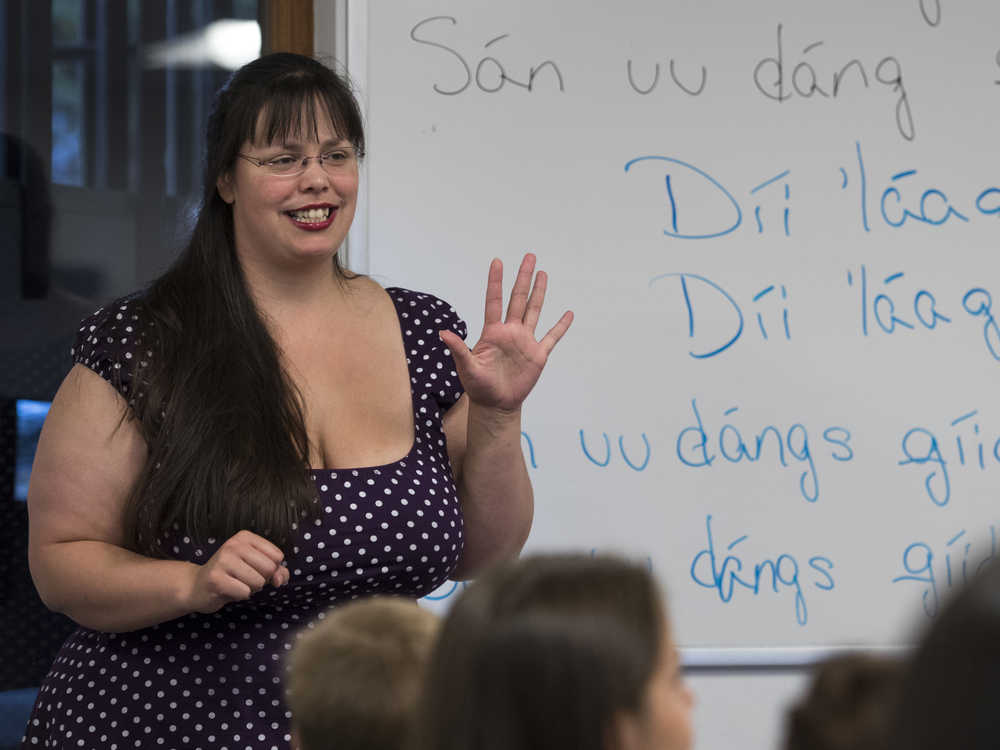

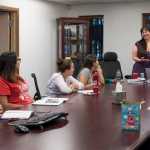
Most Haida speakers probably won’t ever use the phrase “gám hl k’áalaangw dáng gatáa’anggang.”
It means “don’t eat the pens.”
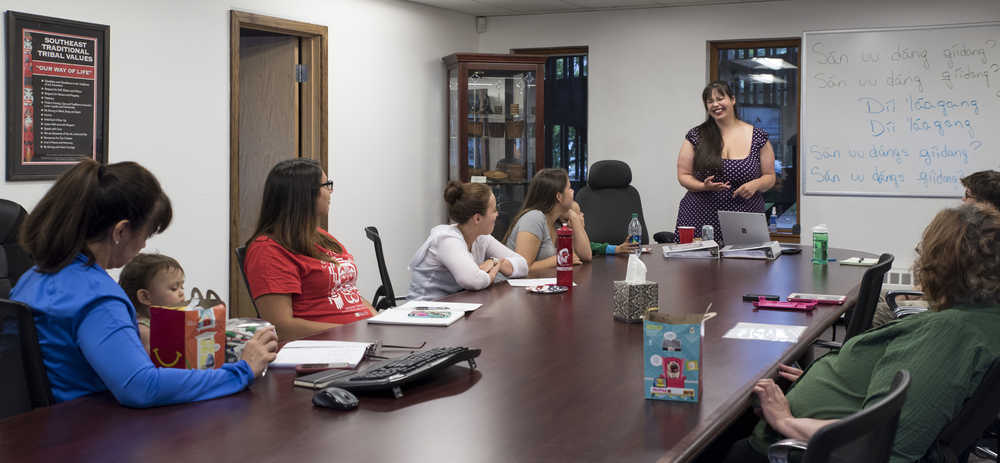
But the members of the Haida Language Learners group learned it anyway after their instructor broke off briefly during a recent lesson to stop her infant niece from using a dry erase marker as pacifier.
“I try to speak to her as much in Haida as I can just to get her exposed to all of the sounds,” Emily Edenshaw-Chafin told the class after separating her niece from the box of markers she’d found only moments before. “What I learned early is you should use as much Haida as you know as often as you can.”
And that’s exactly why the Haida Language Learners group started meeting a few years ago.
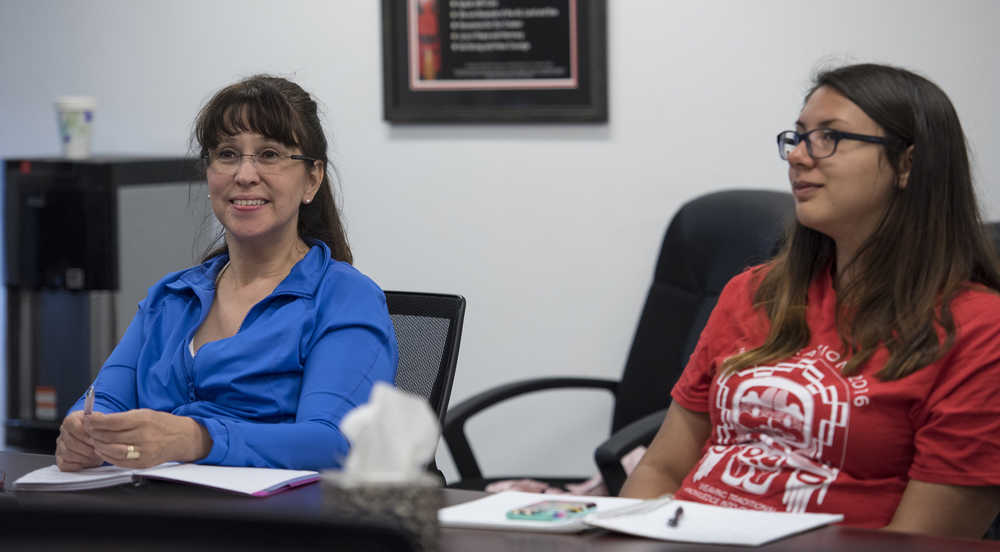
After taking a Haida course at the University of Alaska Southeast in 2010, Sandy Edwardson and her daughter, Susie, started hosting weekly meetings at their home for members of the university course who wanted to keep practicing the language. Edenshaw-Chafin was among the original members.
“We didn’t want to stop learning when the class ended,” Edwardson said, explaining why she started hosting the Haida Language Learners.
They’ve since moved out of her house and into the Edward K. Thomas Building conference room, where they usually take lessons via webcam from Linda Schrack, a Haida speaker who lives in Ketchikan. (Edenshaw-Chafin was filling in the other day because Schrack was unavailable.)
The Haida Language Learners aren’t the only Alaska Native language group using the Edward K. Thomas building though. The Sm’algyax Language Learners Group also meets weekly there, for a similar reason.
In November 2015, David A. Boxley, a Tsimshian carver from Metlakatla, led a Sm’algyax course for Juneau residents who wanted to learn the language. There are only about six fluent speaker speakers left in the state, according to Alfie Price, who took Boxley’s course, and most of them live in Metlakatla. None of them are in Juneau.
Price, who is Tsimshian, said he began learning the language as a child but lost interest and never tried to pursue it until he started trying to teach his two children recently.
“Trying to teach them made me realize how little I know,” he told the Capital City Weekly. This is why he got involved in Boxley’s course and helped start the Sm’algyax Language Learners group after Boxley left.
Price hopes that his own children don’t lose interest in learning the language as he did as a child. Edenshaw-Chafin hopes the same for her niece, and she’s working to make sure that doesn’t happen.
She said her niece only knows one word in Haida: gyúu, which means “ear.” But she understands commands in Haida as well as she understands English, if not better.
“She actually responds better when I say things in Haida,” Edenshaw-Chafin joked. And this has pressured her brother to learn Haida as well. “He’s actually taken up Haida a little bit, too, because he wants to learn what she’s saying.”
There is also a weekly Tlingit language course, which is held in the Downtown Juneau Public Library. Price attends all three Native language courses and said that they are growing increasingly important as the number of fluent speakers in each language dwindles.
“We’re feeling some urgency to learn as much as we can because when the remaining last few speakers pass on, the access that we have to learn as much as we can goes away,” he said.
It’s Edwardson’s hope that the Haida Language Learners group and the other language courses can help. She said that she hopes these classes build a “grassroots movement” that will allow people who can’t afford to take language courses at UAS an opportunity to learn. The three native language learner groups are all free of charge.
Edenshaw-Chafin believes Haida (also known as Xaat Kíl), Lingít, and Sm’algyax will survive into the future.
“As long as we can learn and hopefully keep speakers and instructors, we’ll be good,” she said. She and Price, both of whom are already teaching the next generation Native languages, are working to make that happen.
• See page 3 for class dates and times.
Class times
Sm’algyax Language Learners Group, 12 p.m., Saturdays, Edward K. Thomas Building conference room (9097 Glacier Highway.)
Tlingit Language Learners Group, 6-7 p.m., Mondays, Downtown Juneau Public Library, large conference room.
Haida language Tuesdays, 5:30-6:30 p.m. Tuesdays, Edward K. Thomas Building (9097 Glacier Hwy).
All three Native language courses are open to the public.