Celebration draws thousands to Juneau to uplift Alaska Native culture and heritage
Published 2:32 pm Friday, June 5, 2026
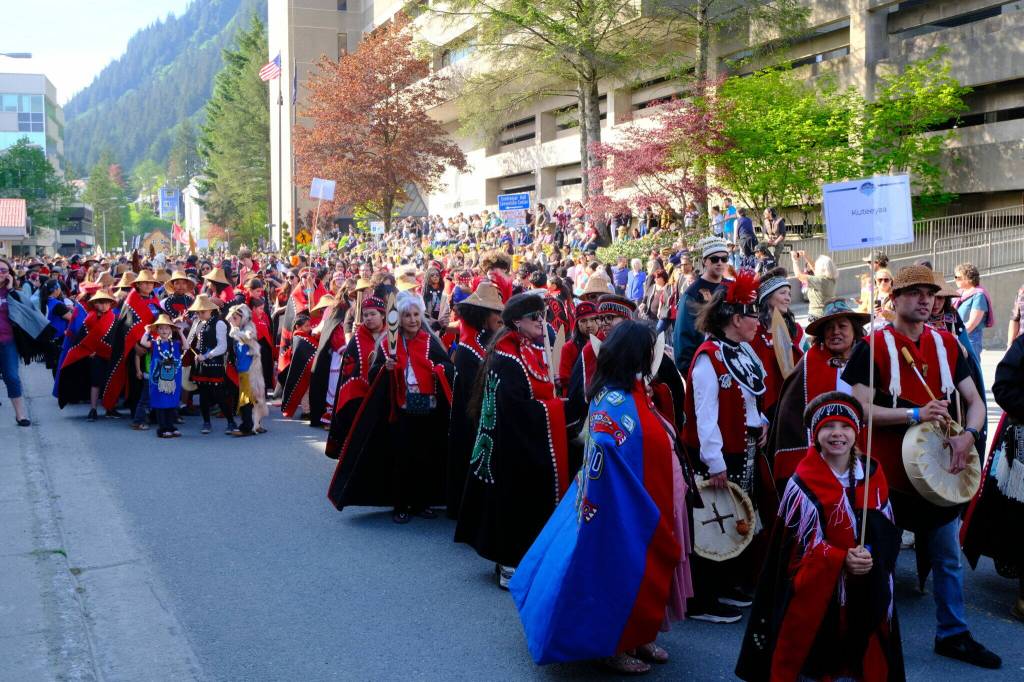
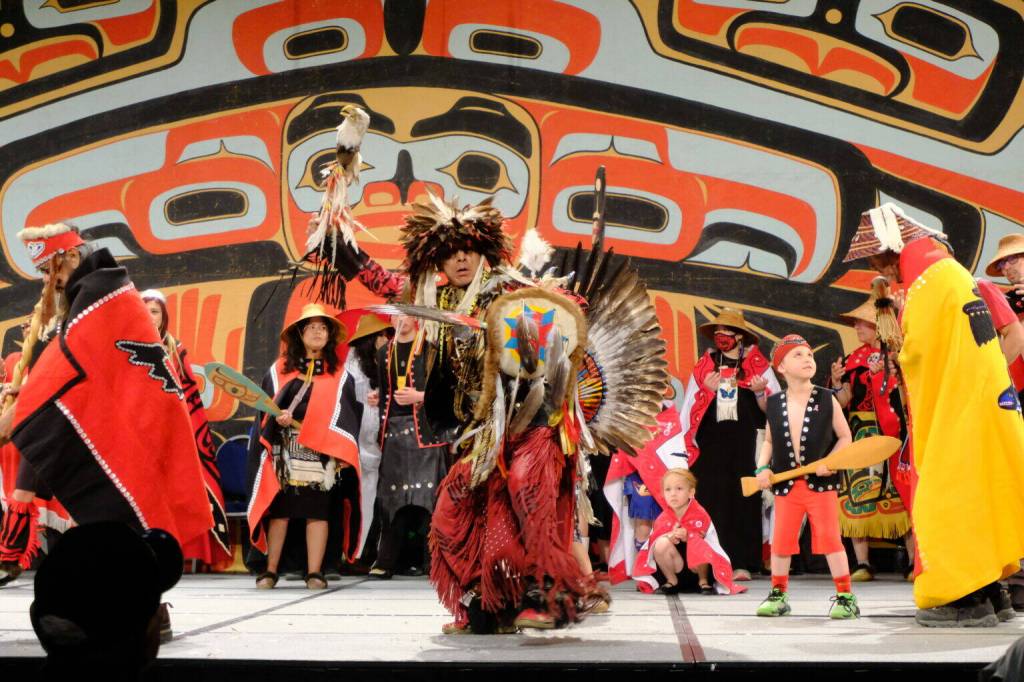
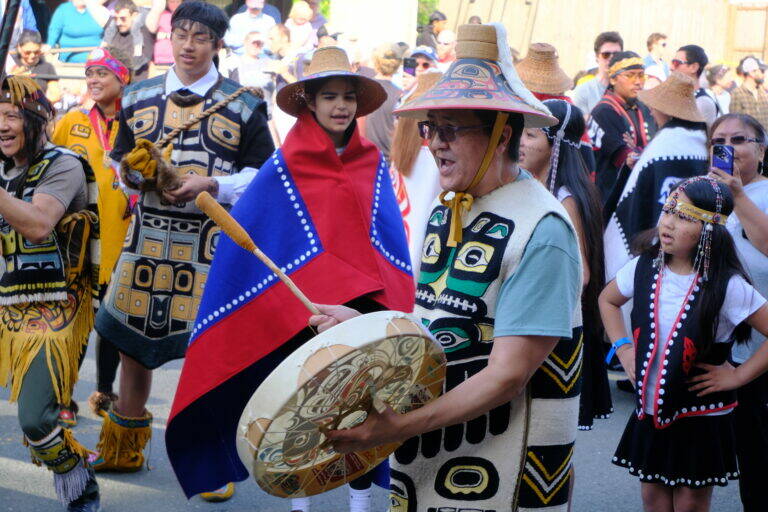

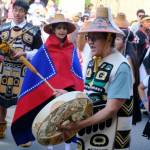
Early summer sun beamed down on the opening of Celebration, a festival that honors Southeast Alaska Indigenous cultures. The Grand Entrance drew thousands of dancers, families and supporters for the biennial tradition in Juneau.
This year, an estimated 1,800 dancers of all ages gathered on Wednesday from Indigenous communities from across Alaska, the Great Plains and the Hawaiian Islands, to kick off four days of celebrating Native culture and heritage.
“It feels so good, it makes my heart feel whole again, to be able to dance with a lot of my relatives again,” said Thomas Yellowhorse Davis who is Oglala Lakota and Tlingit from Hoonah, and dancing with the Mt. Fairweather dance group. He wore striking traditional regalia with an eagle feather headdress and bustle that he made in the Plains-style tradition from Pine Ridge, South Dakota, he said, but was dancing Tlingit warrior dances with the dance group from Hoonah.
“It’s so powerful, you know. I love to be able to dance with them so much, and it just warms my heart to be able to be here every time the Celebration comes,” he said.
Beside him, Kimberly Dominguez-Davis, of the Yaqui tribe located in Tucson, Arizona, wore a traditional jingle dress, regalia that has metal cones sewn to create a rhythmic sound when dancers move. “This dress is a healing dress for whoever feels sick or cannot walk. We dance for them to heal, and this jingle dress, it represents the rain and the thunder,” she said.
The Davises, who are married, said they were both glad to see so many families, especially with young children, attend Celebration and express their culture and Native heritage.
“Because all over the world, and especially with the nations here in Turtle Island, we have some of these tribes that have lost their languages,” said Dominguez-Davis. “And some have gone extinct, but here it’s so strong. They’re keeping their culture alive and strong, and the children they’re making sure the children learn their languages and their songs and they’re dancing here, and that’s really special to me.”
Thirty four dance groups participated in the Grand Entrance, where groups processed in a two-hour event along Willoughby Avenue in downtown Juneau and through Centennial Hall’s main stage before a packed audience, singing, drumming and dancing.
Celebration began in 1982 as a dance and culture festival to celebrate Tlingit, Haida and Tsimshian cultures of Southeast Alaska, according to its organizer, the non-profit Sealaska Heritage Institute, in Juneau. Over four and a half decades, it’s grown to celebrate, embrace and connect Native cultures from across the globe. This year, the theme is “enduring strength.”
The event typically draws thousands to Juneau, as well as thousands of viewers online through a livestream of dozens of events each day by the local public media station, KTOO.
Ricardo Worl, who is Tlingit from Juneau and dances with the Chilkat Thunderbird & Sockeye Clans dance group, wore a traditional Chilkat robe newly woven by a family member, a Navajo weaver.
“We have lots to celebrate. I think the Tlingit people are setting a good example based on our traditional values of how we interact with the land, and also how we interact with each other. We have responsibilities to each other, especially to members of our opposite clans,” he said.
“I think it’s just a good example, and probably a highlight when we think about what’s happening in our country today,” he added. “This whole next four days is going to be a really inspirational example of what our country could be like.”
On the main stage in Centennial Hall, Rosita Ḵaaháni Worl, president of Sealaska Heritage Institute and Ricardo Worl’s mother, addressed the crowd following the Grand Entrance. She said the theme “enduring strength” was chosen to reaffirm the will and determination Tlingit, Haida and Tshimshian people have cultivated to overcome adversity over the last 12,000 years.
“Enduring strength is also a statement that we can overcome the challenges that we are now facing with national political forces that seek to undermine our culture, diminish our basic civil rights and human rights, and to subjugate the people of color,” she said.
“We stand here proud and strong, and knowing that our core cultural values will guide us through these challenging times,” she said.
Worl also acknowledged those who are grieving lost loved ones: “To those who are experiencing this sorrow, know that you have a tribe standing behind you, and that the spirit of our clans have come forth to strengthen you and your families. I know that we have the strength of the of our ancestors and of our spirits to live another 12,000 years on this land,” she said, then called out to the crowd. “Whose land is this?”
“Our land!” The crowd chanted back.
On Wednesday, more than 100 people arrived by traditional canoe, called a yaakw in Tlingit, from communities across Southeast Alaska and First Nations of Canada, including paddlers from Yakutat, Haines, Kake, Hoonah, Angoon, Wrangell and Petersburg. The group from Petersburg was paddling the first canoe to be built locally in over a century.
The four days of Celebration includes events and activities celebrating traditional song, dance, Native languages, food, classes and art including a toddler regalia review and an Indigenous fashion show.
This article originally appeared online at alaskabeacon.com. Alaska Beacon is part of States Newsroom, the nation’s largest state-focused nonprofit news organization.
Corinne Smith started reporting in Alaska in 2020, serving as a radio reporter for several local stations across the state including in Petersburg, Haines, Homer and Dillingham. She spent two summers covering the Bristol Bay fishing season. Originally from Oakland, California, she got her start as a reporter, then morning show producer, at KPFA Radio in Berkeley. She completed a master’s degree focused on investigative journalism in 2024 at USC Annenberg School for Communication and Journalism in Los Angeles. She is thrilled to be back in Alaska and based in Juneau, covering education and social and criminal justice.