OPINION: Defacing Juneau’s history doesn’t defend humanity
Published 11:45 am Wednesday, May 13, 2026
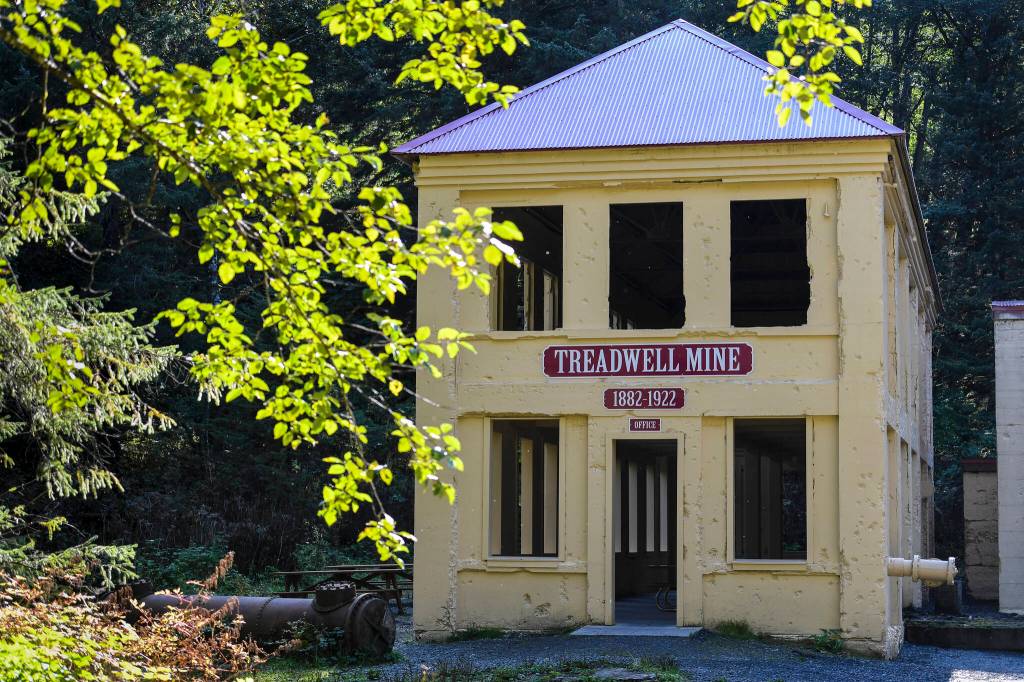
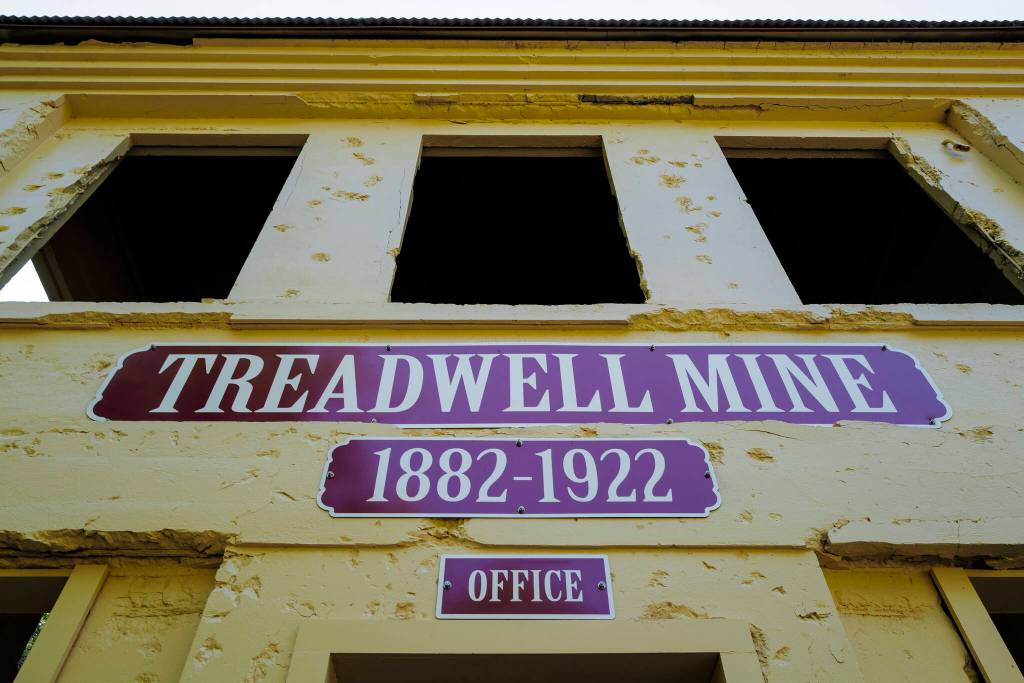



Sometime last Saturday night, vandals defaced a historic building in our community. The inside walls of the “New” Office Building in the Treadwell Mine Historic Park in Douglas were painted with political graffiti.
The vandal’s main message “ASK why does your tax dollars pay for the missiles Isreal use’s to commit genocide??” was painted over one wall (poor grammar and misspellings included).
A Facebook post decrying this incident has generated hundreds of comments. Unfortunately, many of the comments seem to miss the point by concentrating on the vandal’s message, not the behavior.
It almost doesn’t matter what the message was – it could have been “Happy Mother’s Day,” and it still would have been wrong (and I bet the vandal(s) would have also gotten the apostrophe wrong).
This circa 1914 building was renovated over several years by a local non-profit, the Treadwell Historical Society. Beginning in 2017, with many hours of volunteer labor and donations, the structure was reinforced, the second floor removed, the roof replaced, the inside cleaned out, the grounds were landscaped, and interior signage and murals were installed. The costs of preserving the Office Building totaled approximately $450,000. It went from an unsafe eyesore to a local resource and was the subject of an episode of the Discovery Channel’s “Mysteries of the Abandoned.”
The Treadwell Mine Office Building now serves as an open-air interpretive shelter and venue for public and private gatherings and the performing arts. It’s available for rent through Juneau’s Parks and Recreation Department, which also helps maintain it. And kudos to our CBJ Parks and Recreation crew that painted over the graffiti shortly after it was discovered Sunday morning.
Vandalism is often dismissed as a minor offense, but its real impact runs deeper than surface-level damage. When someone defaces a building — especially one that has been preserved and maintained by volunteers and enjoys heavy public use—they aren’t just marking walls; they are erasing effort, time, and care invested by others.
In communities like Juneau, where the municipal budget is already strained and many organizations rely primarily on volunteers, that damage carries a heavier weight. Every act of vandalism becomes a setback that must be repaired with limited resources, diverting energy away from preservation and toward cleanup.
What makes this especially troubling are the commenters who excuse this behavior because they sympathize with the message. Supporting a cause, no matter how passionately, does not justify damaging property — particularly when the target has no connection to the issue being protested.
There is an irony in advocating for justice or human rights while simultaneously disregarding the rights and contributions of others. The vandals aim may be to highlight what they believe to be suffering or injustice elsewhere, but their method creates a new, local harm that makes their message unserious.
There is also a broader cultural consequence when vandalism is selectively tolerated. If people begin to excuse destructive acts based on whether they agree with the viewpoint being expressed, the standard shifts from one of shared respect to one of personal bias. That erosion of principle can lead to a cycle where any group feels justified in damaging property to promote its cause. Over time, this doesn’t elevate discourse — it degrades it, replacing dialogue with defacement and a race to see who can be more vulgar, more disrespectful to their neighbors.
Communities need mutual respect among their members, especially in places like Juneau where some people are as passionate about their politics as others are about preserving local history and identity. Disagreements about global issues are inevitable, so they should be expressed in ways that do not harm neighbors or the historical, cultural institutions that serve them.
When vandalism becomes a vehicle for expression, it not only damages physical spaces, but also weakens the social contracts that hold a community together. Ironically, the very structure damaged by these hooligans would have welcomed a debate about the subject being expressed.
In 1964 Marshall McLuhan wrote how “the medium is the message.” In this case, the message delivery method says far more about the sender and societal behavior and values, than it does about the words being conveyed.
Think about that.
Win Gruening retired as the senior vice-president in charge of business banking for Key Bank in 2012. He was born and raised in Juneau and graduated from the U.S. Air Force Academy in 1970. He is active in community affairs as a 30-plus-year member of Juneau Downtown Rotary Club and has been involved in various local and statewide organizations.