Juneau career firefighters discontented in prolonged city contract negotiations
Published 5:30 am Tuesday, March 10, 2026
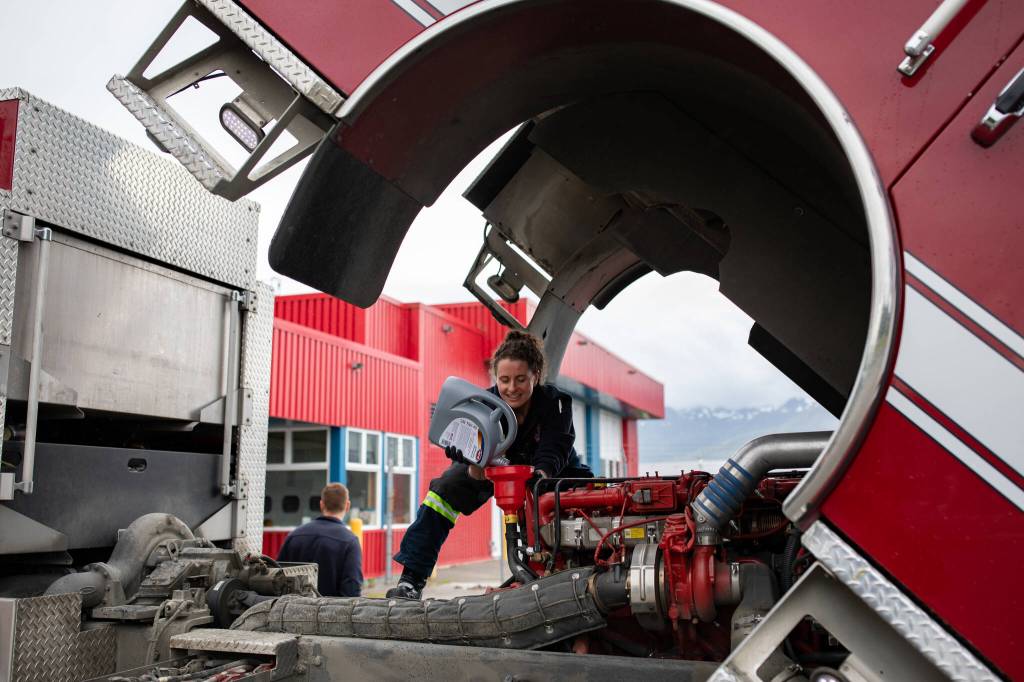
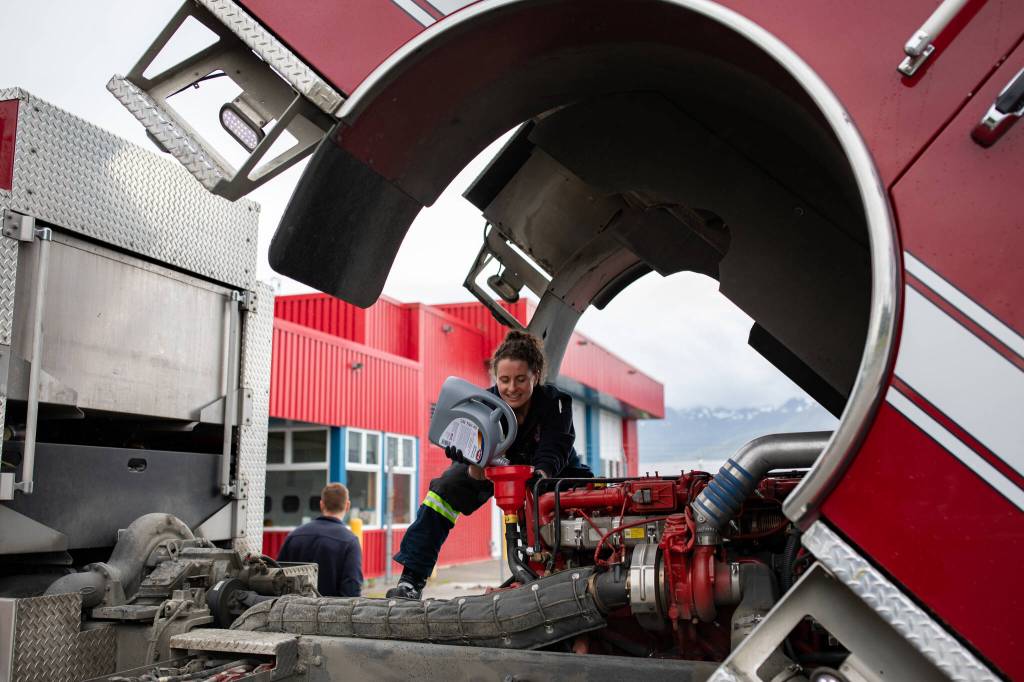
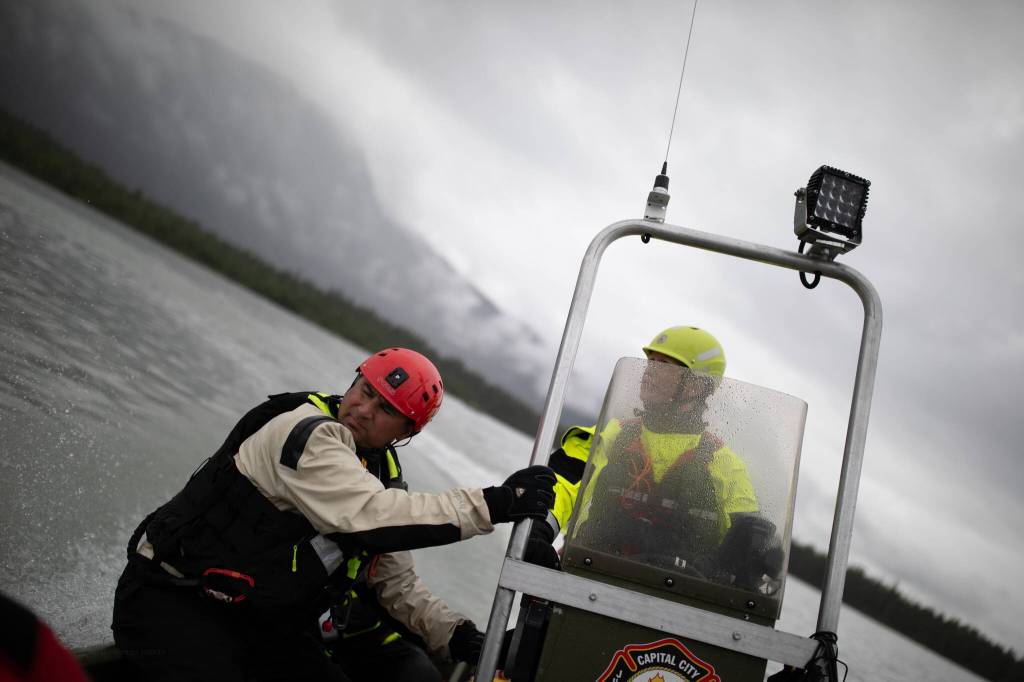
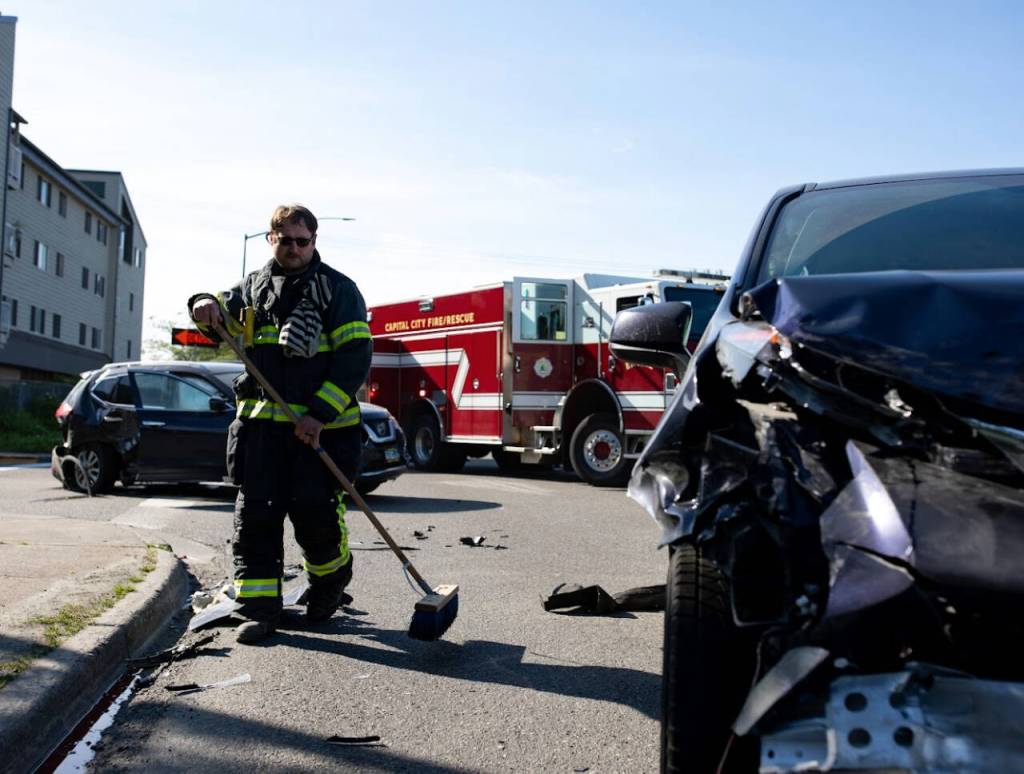

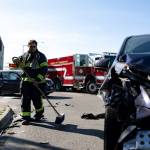
Every three years the Juneau career firefighters union, International Association of Fire Fighters (IAFF) Local 4304, renegotiates their collective bargaining agreement with the City and Borough of Juneau (CBJ). On Feb. 14, 2025, those renegotiations began, and they remain unresolved more than a year later.
“The only outstanding issue is wages,” Juneau firefighter/paramedic and secretary of IAFF Local 4304 Sadie Inman said in an interview with the Empire.
Contract negotiations in 2022 proposed a wage analysis, comparing Capital City Fire/Rescue wages to similar departments across the Northwest. That analysis was released in 2024 and demonstrated that Juneau firefighters were paid as well as, or better than, 38-41% of firefighters in the study.
Based on those results, “CBJ Administration was pleased to offer the International Association of Fire Fighters (IAFF) Local 4303 the most generous contract in the history of CBJ wage negotiations with IAFF,” city manager Katie Koester wrote in a statement to the Empire.
CBJ has offered the firefighter’s union a 11.28% wage increase with an additional 1% increase in the subsequent years of the collective bargaining agreement, but, according to the union’s press release, “this figure does not apply to most members. It includes reclassification of positions and moves existing supplemental pay into base pay to artificially inflate to overall percentage.”
The Juneau career firefighters union questioned the applicability of the study, saying the data was outdated because 11 of the departments have increased wages by 16%.
“We are not even going to stay at the 40th percentile with the city’s current offer, we will be further behind,” Inman wrote to the Empire.
The union also criticized CBJ for reducing Juneau firefighters’ career wage growth. Four years ago, CBJ agreed to a scheduled 56% wage increase across a firefighter’s 25-year career, rewarding employees with a longer tenure. Recently, CBJ has proposed reducing the wage increase to 46%.
On Feb. 25, 2026, CBJ raised the wages of Juneau’s police union, Public Safety Employees Association, after a year of negotiations. The agreement included a 3-5% annual wage increase, lump sum payments between $2,000 and $2,750 the next two years and increased employer contribution to health insurance, reported the Juneau Independent on Feb. 27.
Contract negotiations with Juneau’s police union ended soon after CBJ and the union met with a Fact Finder, a neutral third party intended to resolve prolonged negotiations, who “recommended the involved parties implement the CBJ’s final offer,” according to Koester.
“It’s definitely had an effect on people,” Inman said of the negotiations with the firefighter’s union. “They want to be compensated, and they don’t feel like the city is seeing them with the value they should have for such an essential service.”
Juneau’s fire department is short staffed. The 20% vacancy rate (nine positions in the department of 43) makes fighting the roughly 12 true structure fires and more than a 5000 medical calls a year more difficult, Inman said.
“One of the main concerns of morale is that whatever increase the career firefighters would have seen in pay would have been in July, 2025, and they have not yet seen that increase, and we are not guaranteed back pay,” Inman said. “So I will say that there’s been lost pay.”
“We are hopeful that this process will soon result in an agreement that recognizes and compensates the important work of the dedicated public servants represented by IAFF,” Koester wrote. “We could not enjoy the safety and quality of life that we do in Juneau without their commitment to the community. They deserve to be compensated for their time and service.”