I Went to the Woods: Serious back issues
Published 4:30 am Saturday, April 18, 2026
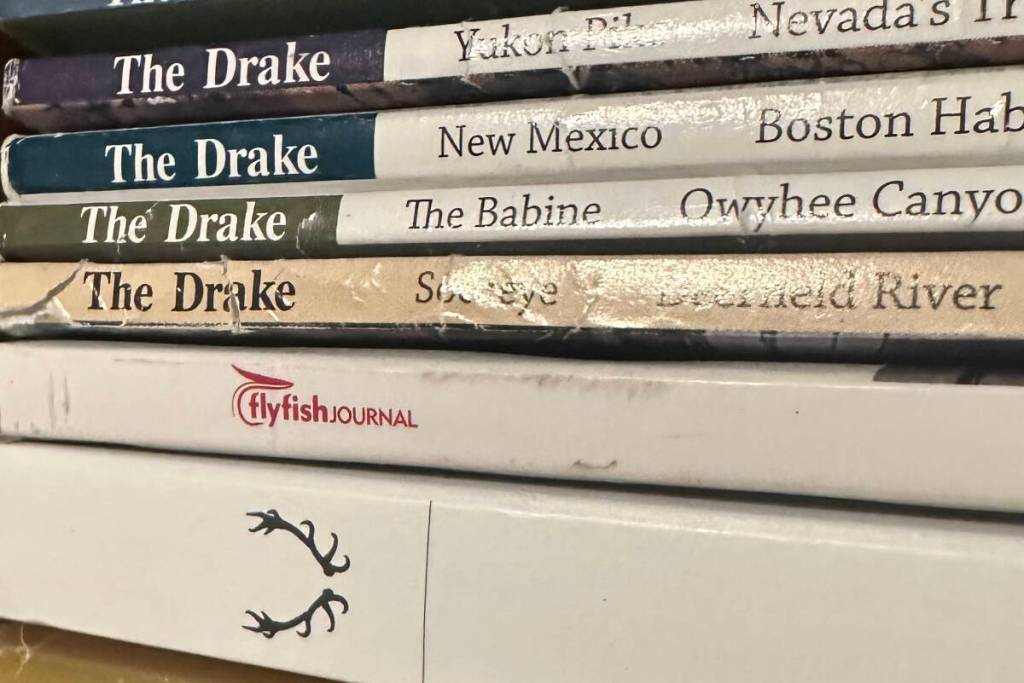
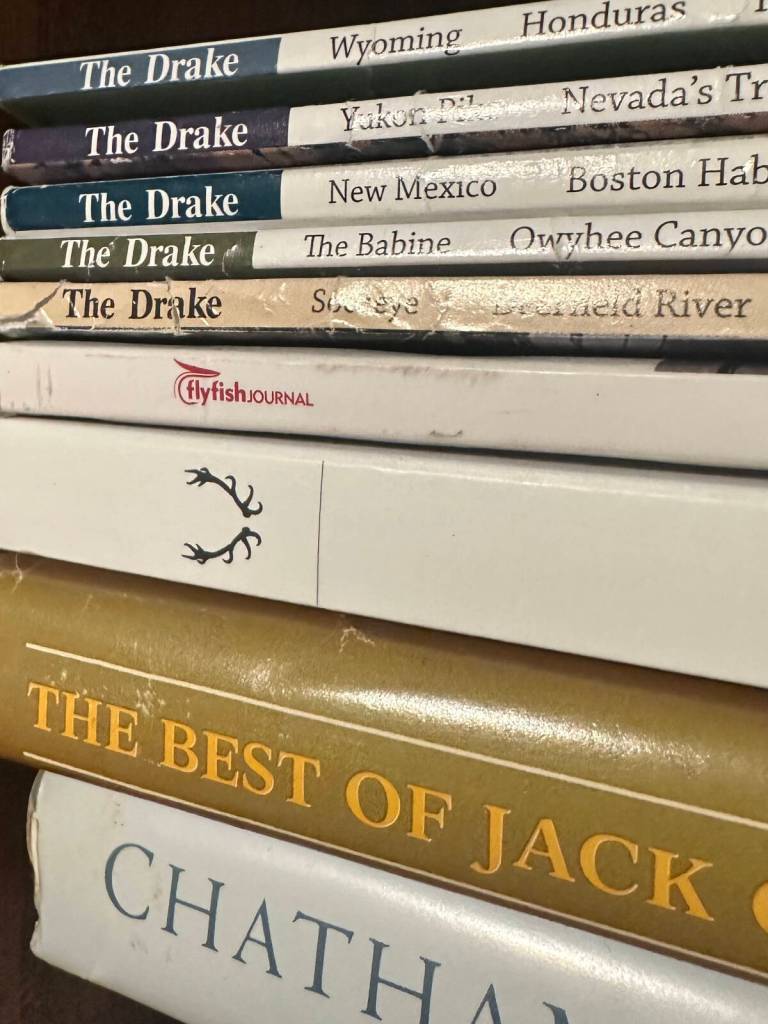
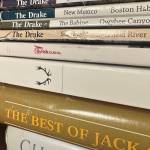
“Do you need that magazine?”
“No, but I do want it.” There was no accusatory tone in my wife’s question, but she was rightfully curious about why I was walking around the house looking for the Winter 2026 issue of The Drake Magazine one Saturday morning.
Unable to find it, I settled for what was in a stack. I checked the date, Winter 2016. That issue had, incredibly, made the move from the duplex into our new home and been distributed
I’ve started to treat print issues of magazines and old papers like precious relics. They are timestamps that can’t be manipulated, updated or memory-holed like content on the internet. I luxuriate in the words of iconic authors when I pick a book off the shelf, but when it comes to news and statistical evidence, I feel a little like Winston Smith pawing at the past, desperately looking for answers.
When it comes to steelhead trends, fluctuation is a win because it implies something other than a downward trend, which is where it seems we are now. There’s a piece in the 2016 Winter Issue about the Skagit River in Washington. It seemed hopeful. As though we had turned the head of the fish before it could tumble down the rapids and be lost for good. We were close to the knot, gained a few cranks but we don’t exactly have much backing to play with. The last decade has been touch and go on the Skagit from what I can tell.
A few more quick checks in the time since that issue went to print found the Campanu auction in Spain has continued, the Pucker Street dam on the Dowagiac River in Michigan was removed in 2019 and Clyde’s storied career was speeding toward its end, but there were plenty of miles remaining.
The isolationist view of conservation isn’t really feasible, nor is it as daunting as it was in 2016 when Facebook was king, Instagram was No. 5 on the list of social media rankings and Tiktok had not yet rotted out the creativity of promising young brains. The ability to become educated and mobilize is easier now than it was then, though many of us recognize the effects of compassion fatigue, when everything is broken, ruined, unfair, or tragic – and no one provides a way forward. See elected representatives who vote down bills but never provide itemized reasons, let alone their own ideas. Along with many contemporary awareness comes action plans and the ability to know enough to comment on far-away issues like the Boundary Waters and Bristol Bay, while also knowing the local impacts of rescinding the Roadless Rule.
It’s easy for modern society to post and share without creating or helping – like a celebrity bathing in an ocean of dopamine after virtue signalling with no intent to actually do anything, because the point is servicing the ego. But people also continue to get stuff done. A piece of writing can be the inciting incident that brings positive change or reminds us to get to work.
An optimist would look at the last ten-year chunk of time and see cohesive growth. Conservationist is an expanding, broadly defined user group that advocates for reasonable use and deeply cares about habitat and health of species, not just someone who prioritizes mounts and body counts. There are always existential threats. Some linger after decades, others pop up suddenly.
The glossy pages, or torn paper of back issues are refreshing reminders of context, both then and now. Reminders of wins, losses and ongoing battles. It’s good to be reminded of quality decision-making and reasonable tradeoffs in a world of transparent villainy.
Some might consider it hoarding, but a good library of back issues should be celebrated.
Jeff Lund is a freelance writer based in Ketchikan. His book, “A Miserable Paradise: Life in Southeast Alaska,” is available in local bookstores and at Amazon.com. “I Went to the Woods” appears twice per month in the Juneau Empire.