Weekly Wonder: Running toward destiny
Published 10:30 pm Monday, July 28, 2025



“Spawn ‘til you die.”
These four words, printed on the cotton of countless Ray Troll shirts and gracing the enamel of just as many William Speer pins, perfectly embody the phenomenon occurring in salmon runs throughout Southeast Alaska.
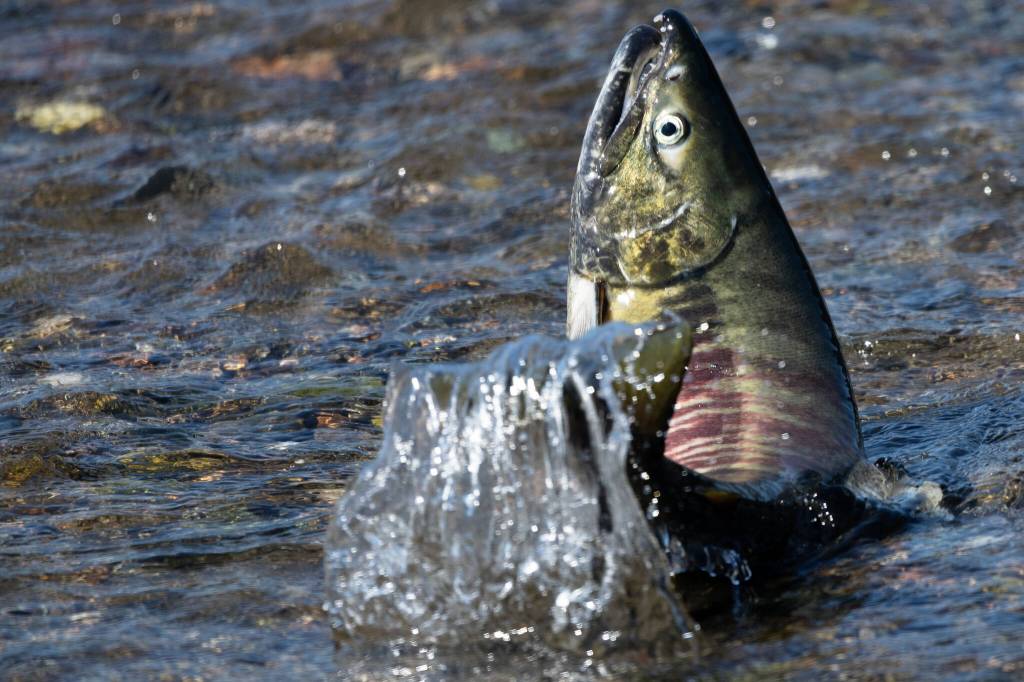
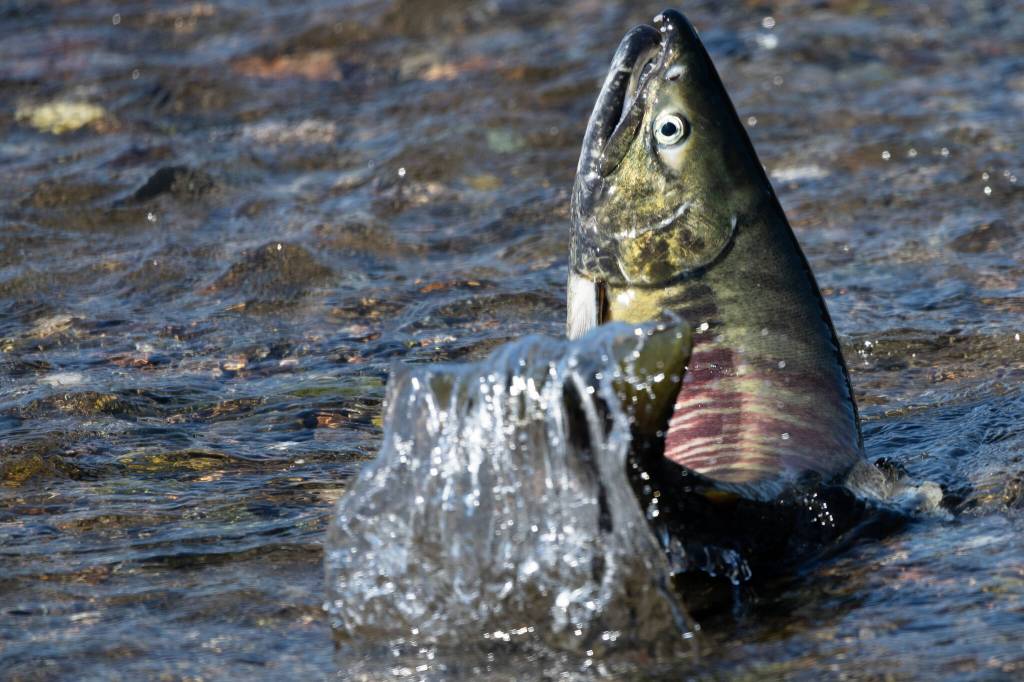
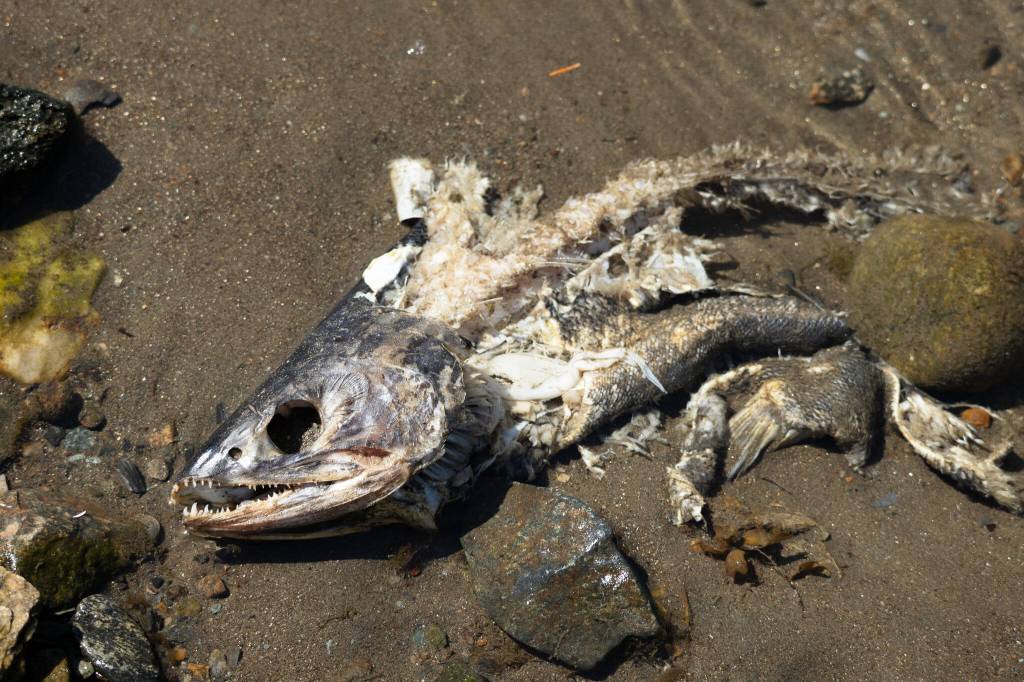
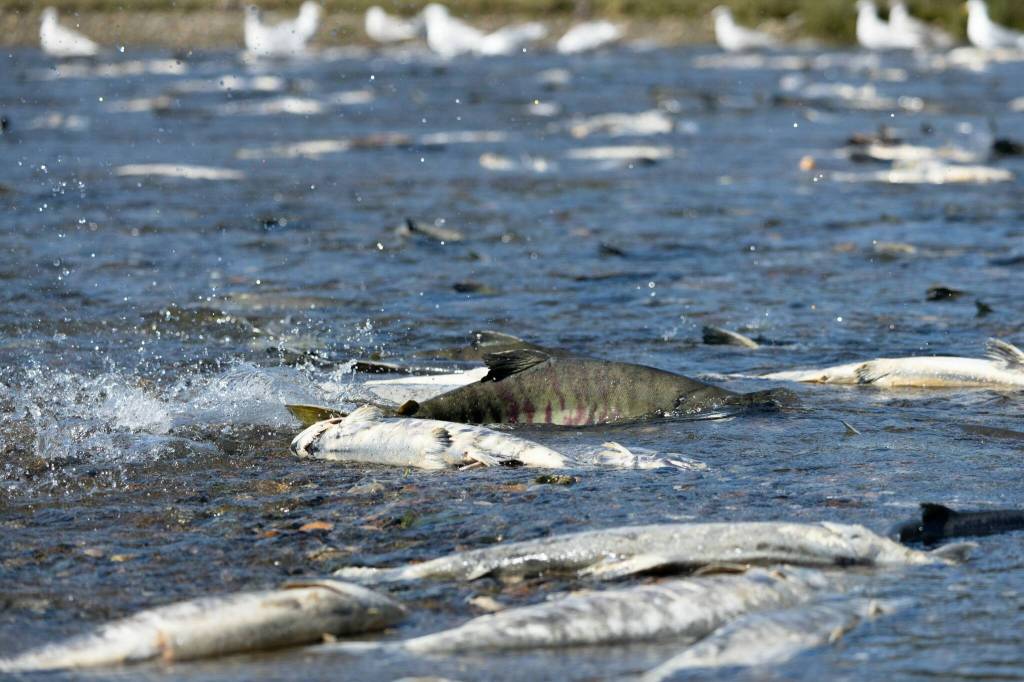
Salmon Creek in Juneau recently became a war zone for chum salmon. Hundreds of fish are turning the normally slow-moving stream into a splashy spectacle, heeding the biological call to further their species before their time is up. Live salmon launch themselves over the stinking corpses of those who have completed their duty. The silvery white scales of spawned-out fish pale in comparison to the purplish-green bodies of ones who have just returned from sea. But regardless of when it happens, every fish in fresh water is destined for the same fate: death.
When salmon hatch, they imprint on their home stream. Young fish are incredibly sensitive to the chemical composition of the water, and as they begin their downstream migration to the sea, their brains store odors that will eventually help them navigate back to where they were born.
First, however, they’ll spend a few years feeding in the open ocean. Some will travel thousands of miles in search of food and grow nearly 5 feet long. Many will be eaten by predators or caught by fisherman, but some will navigate back to their home streams by tuning into the earth’s magnetic field and finding the scent of their freshwater environments.
As soon as salmon leave the ocean, all of their energy is dedicated to spawning. They stop eating and their scales take on vibrant hues, signaling they’re healthy enough to mate with. After female salmon dig nests to lay their eggs in and male salmon fertilize them, their life cycles are complete. Their colorful bodies start to decompose, first turning an ashy gray before sloughing off in ribbons and chunks. Rocky outcroppings healthy fish would once dart over without a second thought become death traps, ensnaring weakened salmon as they writhe around, gasping for water. Seagulls and eagles fly just overhead, occasionally swooping in to claim another victim.
It’s a dismal but awe-inspiring scene. Roughly one out of 100 eggs will return to this stream years from now to repeat the process. Their bodies will join those of their ancestors as they enter a new environment and linger in the soil and water, providing nutrients for the trees and unique chemical compositions in the streams.
The smell of rotting fish will soon permeate the air surrounding salmon runs. The current generation’s 15 minutes of fame are almost over. For salmon — now, forever and always — creating new life is worth dying for. Another phrase coined by scientists and artists wonderfully encompasses this brutal and beautiful process.
“Long may they run.”
• Chloe Anderson is a naturalist photography guide and freelance photojournalist based in Juneau. Her work has appeared in The Associated Press, The Denver Post, Alpinist magazine and more. For more, visit www.chloeandersonphotography.com.