Log out
Log in
Activate
Subscribe
My Account
News
Crime & Justice
Environment
Submit a Photo
Submit a Story Idea
Submit a Press Release
Submit Business News
Sports
Submit Sports Results
Neighbors
Submit an Engagement Announcement
Submit a Wedding Announcement
Submit a Birth Announcement
Contests
Alaska Outdoors
Opinion
Letters to the Editor
Submit a My Turn or Letter to the Editor
Obituaries
Submit an Obituary or Death Notice
eEdition
Home
Subscriber Center
Subscribe
My Account
Contact Our Subscriber Center
Vacation Hold
FAQs
Newsletters
News
Crime & Justice
Environment
Submit a Press Release
Submit a Story Idea
Submit a Photo
Submit Business News
Contests
Sports
Submit Sports Results
Neighbors
Submit an Engagement Announcement
Submit a Wedding Announcement
Submit a Birth Announcement
Alaska Outdoors
Opinion
Letters to the Editor
Submit a MyTurn or Letter
Obituaries
Submit an Obituary or Death Notice
eEdition
Classifieds
Place a Classified Ad
Legal Notices
Place a Legal Notice
Services
About Us
Contact Us
Careers
Carrier Application
Submission Forms
News
I Went to the Woods: A look in the archives
Reading old writing is an experience.
September 27, 2022
News
On the Trails: Water drops on plants
Guttation drops contain not only water but also sugars, proteins, and probably minerals.
September 26, 2022
News
On the Trails: Electric flowers and platform plants
You cannot see it, it’s electric.
September 19, 2022
News
Wild Shots: Photos of Mother Nature in Alaska
Reader-submitted photos.
September 16, 2022
News
Alaska Science Forum: Where do Alaska bats spend the winter?
I think bats do hibernate in interior Alaska…”
September 15, 2022
News
I Went to the Woods: Hunting in the ‘like’ era
Loud and outrageous have become the recipe for sports commentary.
September 13, 2022
News
Alaska Science Forum: An attempt to demystify the mysterious
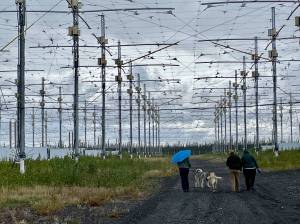
A topic worth HAARP-ing on.
September 8, 2022
News
On the Trails: All about beavers
Leave it to ‘em.
September 5, 2022
News
Alaska Science Forum: Chasing the sun from New York to Alaska
Around the country in a day.
September 2, 2022
News
I Went to the Woods: Turning the corner
The corner from summer to fall is a casual turn.
August 30, 2022
News
On the Trails: Cavity-nesting birds
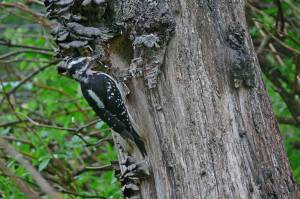
Hole sweet home.
August 22, 2022
News
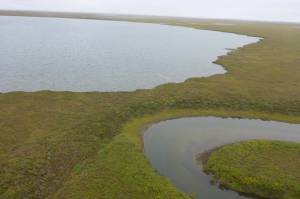
Alaska Science Forum: If a lake drains in northern Alaska…
Rarely do people get to see it.
August 18, 2022
News
I Went to the Woods: North slope caribou
I had stopped hopping from tussock to tussock attempting to keep my feet dry. Frequent missteps and sneaky…
August 16, 2022
News
On the Trails: Sights and sounds from the trails in late summer
Winged wonders abound.
August 15, 2022
News
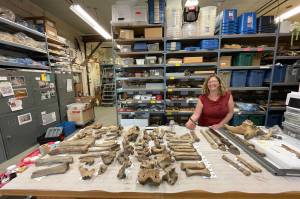
Alaska Science Forum: Secrets of an ancient horse of the Yukon
The Yukon is a great place to find the preserved remains of ancient creatures.
August 11, 2022
News
The SalmonState: Bringing the sockeye home
Klawock Indigenous Stewards and partners are working to a once prolific sockeye salmon run.
August 9, 2022
News
On the Trails: The colorful world of birds
Colors are produced by cell structure, which can scatter light rays, making iridescence, and by pigments, which absorb…
August 8, 2022
News
On the Trails: Bricolage — this and that, bits and pieces
There were good minus tides in May and June, and I went out with some friends to take…
August 1, 2022
News
Alaska Science Forum: High-country Eden for sockeye salmon
“It’s the largest sockeye hatchery in the world. Two-hundred and sixty miles from the ocean.”
July 28, 2022
News
On the Trails: Considering variation in flower colors
There’s way more than blue genes.
July 25, 2022
Previous
8
9
10
11
12
Next