Log out
Log in
Activate
Subscribe
My Account
News
Crime & Justice
Environment
Submit a Photo
Submit a Story Idea
Submit a Press Release
Submit Business News
Sports
Submit Sports Results
Neighbors
Submit an Engagement Announcement
Submit a Wedding Announcement
Submit a Birth Announcement
Contests
Alaska Outdoors
Opinion
Letters to the Editor
Submit a My Turn or Letter to the Editor
Obituaries
Submit an Obituary or Death Notice
eEdition
Home
Subscriber Center
Subscribe
My Account
Contact Our Subscriber Center
Vacation Hold
FAQs
Newsletters
News
Crime & Justice
Environment
Submit a Press Release
Submit a Story Idea
Submit a Photo
Submit Business News
Contests
Sports
Submit Sports Results
Neighbors
Submit an Engagement Announcement
Submit a Wedding Announcement
Submit a Birth Announcement
Alaska Outdoors
Opinion
Letters to the Editor
Submit a MyTurn or Letter
Obituaries
Submit an Obituary or Death Notice
eEdition
Classifieds
Place a Classified Ad
Legal Notices
Place a Legal Notice
Services
About Us
Contact Us
Careers
Carrier Application
Submission Forms
News
I Went to the Woods: Growth mindset
Growth is good but within certain context.
January 17, 2023
News
On the Trails: The afterlife of trees
Dead wood is an important basis for many new uses.
January 15, 2023
News
Alaska Science Forum: Alaska’s small glaciers are on the way out
Even optimistic projections show half of glaciers gone by end of century.
January 12, 2023
News
Mild temperatures and busy beavers
I noticed two uncommon things that this beaver did…
January 9, 2023
News
Alaska Science Forum: Report of frog’s death greatly exaggerated
Alive and hopping.
January 5, 2023
News
I Went to the Woods: New year, new water
Attacking the new water with a solid program allows better transitions to the next phase.
January 3, 2023
News
On the Trails: Climate warming and disease spread
The effects of climate change are being felt far and wide.
January 2, 2023
News
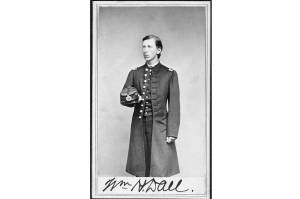
Alaska Science Forum: A scientist’s view of Alaska, 150 years ago
One year before Alaska became part of America, 21-year old William Dall ascended the Yukon River on a…
December 29, 2022
News
Finding a midwinter night’s roost
During the darkest days of Alaska’s winter, black-capped chickadees stuff themselves with enough seeds and frozen insects to…
December 22, 2022
News
On the Trails: Self-medication by many animals
Examples come from many kinds of critters.
December 20, 2022
News
On the Trails: Surviving winter is no small feat
Here’s how some diminutive vertebrates do it.
December 12, 2022
News
Alaska Science Forum: The dark season turns on winter solstice
One winter day not long ago, a reporter from the Sacramento Bee called. She had read a story…
December 8, 2022
News
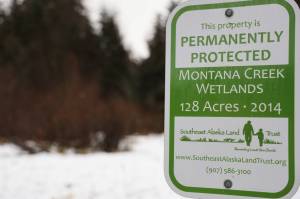
Residents get a new view of the Montana Creek draft master plan
It proposes projects like new public use cabins, trails and maintenance.
December 8, 2022
News
I Went to the Woods: Watch and learn
Wrist-y business.
December 6, 2022
News
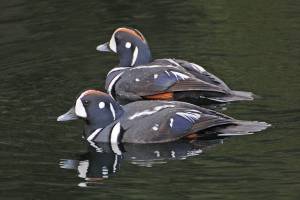
On the Trails: The colorful world of harlequins
On a cold, windy day in late November, I wandered out to Point Louisa. A strong, cold north…
December 5, 2022
News
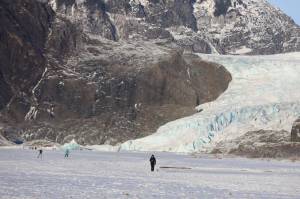
Officials warn residents about the dangers of thin ice on Mendenhall Lake
Experts outline what to do in the situation that someone falls through ice
December 5, 2022
News
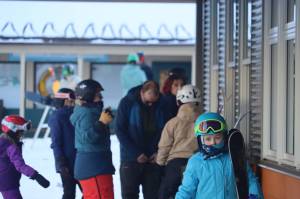
Eaglecrest Ski Area successfully lands soft opening
Additional lifts to open soon.
December 3, 2022
News
Wild Shots: Photos of Mother Nature in Alaska
Superb reader-submitted photos of wildlife, scenery and/or plant life.
December 2, 2022
News
On the Trails: The sense of touch
Touch is a mechanical sense, detecting physical stimuli such as pressure, texture, stretch, vibrations and flow. Touch receptors…
November 28, 2022
News
Alaska Science Forum: Alan Alda and the Alaska messengers
Climate change in the Arctic and Alaska is substantial; we can see signals it has arrived…”
November 24, 2022
Previous
6
7
8
9
10
Next