Weekly Wonder: The whys of whale breaching
Published 10:30 pm Tuesday, September 16, 2025

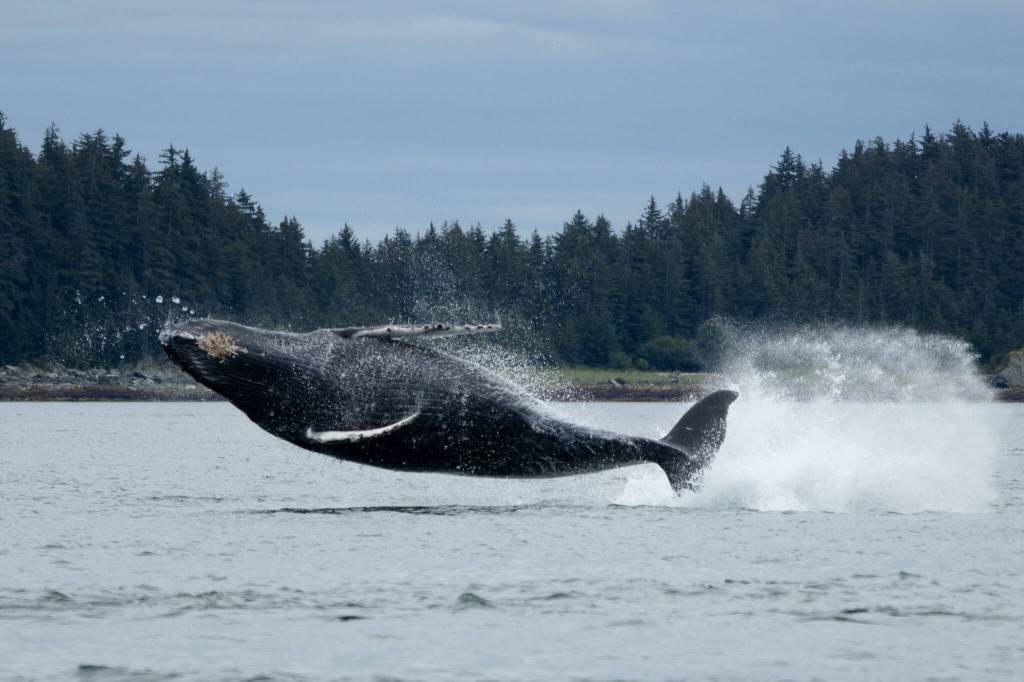

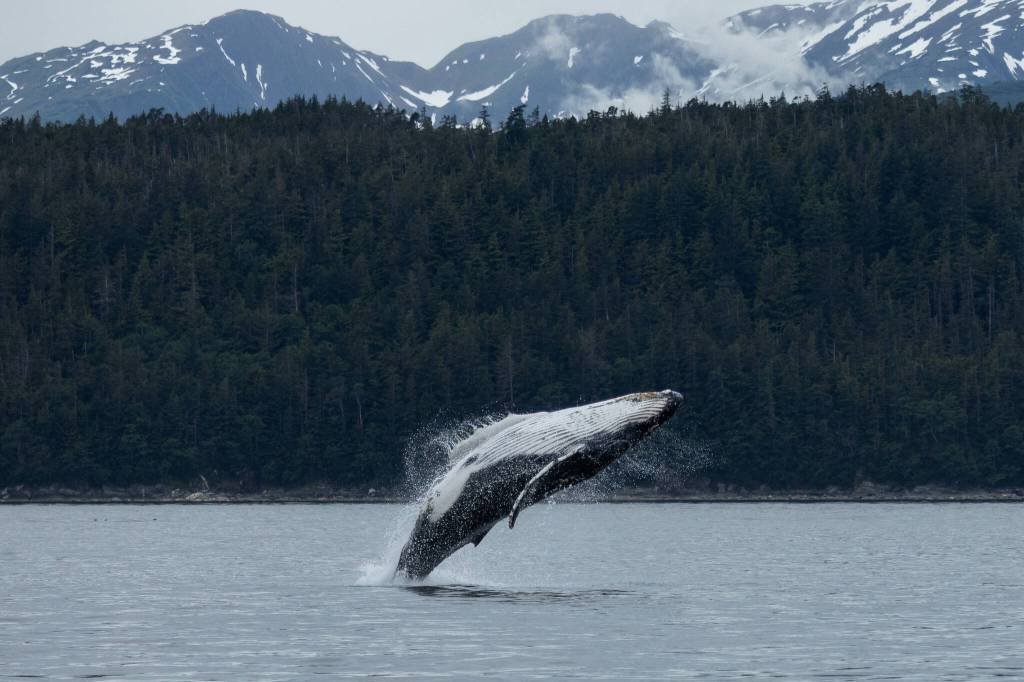


One of the most common questions I receive when guiding photography tours on the water is, “Do the whales ever breach?”
In order to manage expectations, my answer is almost always no.
On the rare occasions in which a whale does decide to try its hand (or pectorals?) at gymnastics, one of the other most common questions I receive is, “Why do whales breach?”
In order to provide a bit of a disclaimer, my answer is almost always some form of, “No one knows for sure.”
Of course, the real answer is a bit more nuanced. Why whales do the things they do remain largely a mystery to us land-bound mammals. All we can do is throw out a few educated guesses, of which there are five main schools of thought.
Communication
Best estimates say the average whale weighs roughly a ton per foot of length. We’ll lowball and say the whale in this scenario is 45 feet long. This equates to 45 tons, or 90,000 pounds, of mass hitting the water. That much water displacement makes a ton of noise, alerting other whales to threats, food or location.
Mating
Like every other animal, whales want to mate with the most viable partner possible. Breaching in southern hemispheres is often how whales show off their fitness.
Hygiene
Barnacles, sea lice and other pesky parasites can fester on our blubbery buddies and cause health issues and discomfort. Even the stickiest marine hitchhikers will likely have a difficult time holding their ground when they’re met with the world’s most aggressive belly flop.
Play (???)
While anthropomorphization can be problematic, it’s difficult not to think a humpback whale calf is simply having a darn good time when one launches out of the water multiple times. On a cloudy day in June, Match, Flame’s 2025 calf, breached nearly a dozen times in a row. Like human babies, young whales aren’t the most coordinated; they have to figure out how to exist in their massive bodies too. They do this by using their pectorals to execute barrel rolls in the water, flukes to slap the surface and peduncles to shoot into the air. Match was very likely just developing fine motor skills, but who am I to say he/she wasn’t just having some fun?
Stunning prey
It’s a bad day to be a herring when a humpback whale is nearby. Each whale is devouring roughly 3,000 pounds of small fish, krill and plankton every day for the six months they’re in their feeding grounds. Some researchers suggest whales maximize their prey intake while minimizing effort expended by slamming various body parts against the water, scaring the fish and causing them to group up. These tighter schools mean less work for the whale, who will then open up its mouth and gobble them all down.
Whatever the reason is for these massive displays of strength, they’re hands down my favorite thing to see. The pure, unadulterated excitement engulfing even the most stoic of passengers when they see a whale blast out of its watery home is nothing short of magic.
Chloe Anderson is a naturalist photography guide and freelance photojournalist based in Juneau. Her work has appeared in The Associated Press, The Denver Post, Alpinist magazine and more. For more, visit www.chloeandersonphotography.com.