My Turn: Cruise ships are shifting air pollution into Juneau’s marine waters
Published 9:30 pm Sunday, September 1, 2024
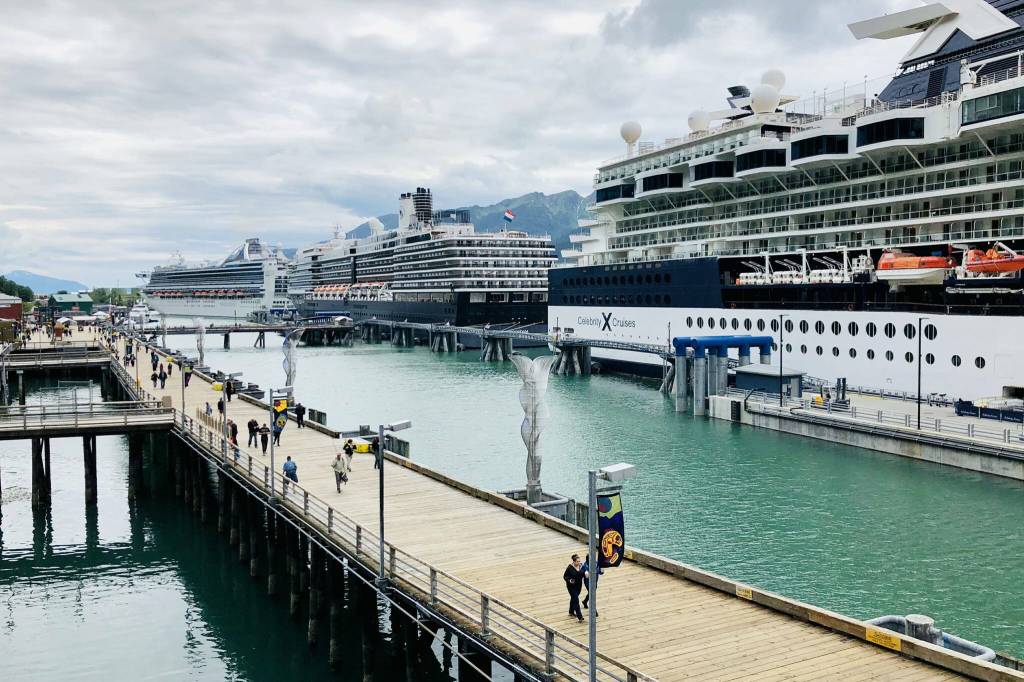
Cruise ships have been in the news a lot recently. In Barcelona, locals used water guns against tourists to mark their frustrations with overcrowding and the environmental impacts associated with cruise ships. I was deeply saddened when I read about these events, and it reinforced my intense hope for Juneau residents to be respectful when considering the impacts of cruise ships on our tiny and treasured community.
There are many factors to consider as Juneau finds its way through the cruise ship controversies. But first and foremost I hope we will treat those with other opinions respectfully, refrain from demonizing those with opposing viewpoints, and listen with sincere intent to understand each other.
A new concern for me involves a recent increase in the use of a relatively old technology — scrubbers — to remove pollutants from the air emissions of cruise ships. This technology uses seawater to “scrub” pollutants from cruise ship air emissions. At first glance that might sound great, but unfortunately all the pollutants scrubbed out of the exhaust are then contained in the scrubber wastewater which is then dumped overboard.
Why is this happening now? The International Maritime Organization (IMO) introduced fuel sulfur limits to address air quality problems, requiring ships to burn cleaner fuel. When faced with pushback from the cruise industry (cleaner fuel costs more money), the IMO created a loophole which allows cruise ships to continue burning dirty fuels. Those who burn dirty fuel are allowed to use scrubbers to move the pollutants out of the air emissions and into the water.
This loophole has led to the creation of an entirely new form of cruise ship discharge (scrubber discharge), that now makes up the largest volume of polluted water discharged by cruise ships — millions of gallons every day.
My ability to enjoy eating crab caught from Gastineau Channel has just taken a big hit. What previously seemed to be an immensely healthy and naturally occurring food is now suspect. Salmon, halibut, rockfish, cod, clams, cockles, shrimp, urchins, seaweed, herring — all of our locally harvested seafood can be expected to have higher levels of pollutants due to cruise ships’ release of polluted scrubber water into Southeast Alaska waters. This directly affects human health, as scrubber discharges have been linked to increased risk of cancer. It also greatly accelerates the harmful acidification of our marine waters.
How complicated is the solution? All it requires is that cruise ships run on cleaner fuel (which is readily available, but costs more than the cheaper dirty fuels). If ships would burn cleaner fuel they wouldn’t need scrubbers to gain air quality compliance and could immediately stop dumping polluted scrubber water into our critically important marine environment. Sweden and Denmark are leading this movement, and have successfully banned the use of scrubbers in their waters.
For those who support unrestricted access for cruise ships in Juneau, a critical part of demonstrating genuine concern for the health and welfare of locals will require getting on board with efforts to clean up cruise ship emissions by demanding that the ships stop burning dirty fuel. We must work together to keep air, water, and subsistence foods clean and healthy.
If the cruise industry is honestly seeking a balanced and healthy role in our community they must stop using dirty fuel and prioritize human health over maximizing corporate profits. If they won’t do this voluntarily we need to take steps to make it a legal requirement.
• Kathy Coghill is a longtime Juneau resident.