Who eats ferns?
Published 3:00 am Wednesday, February 12, 2020
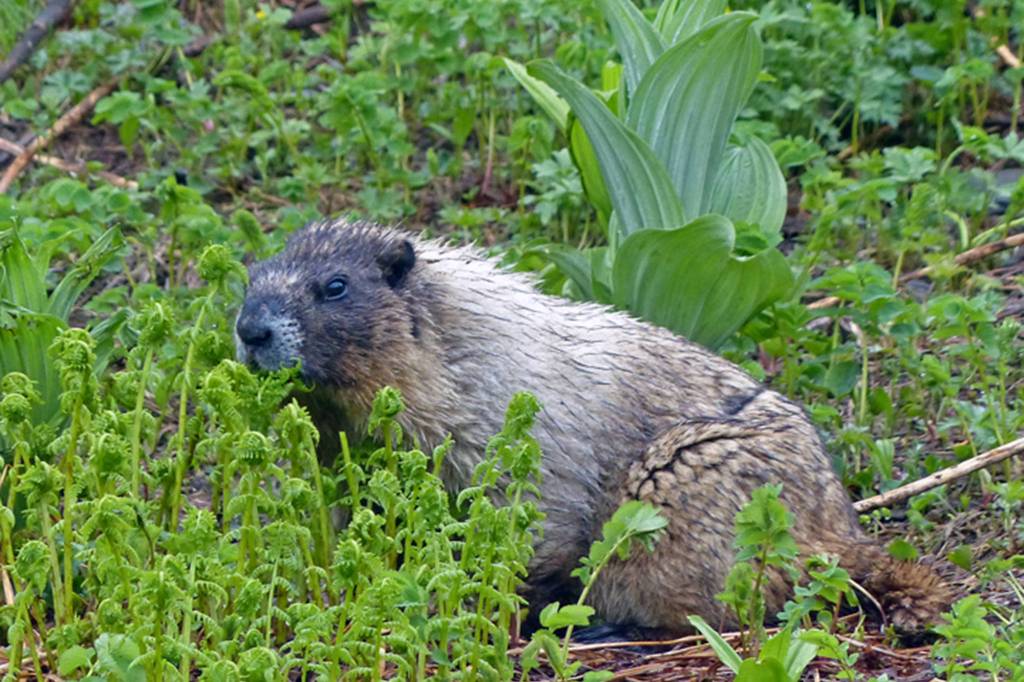
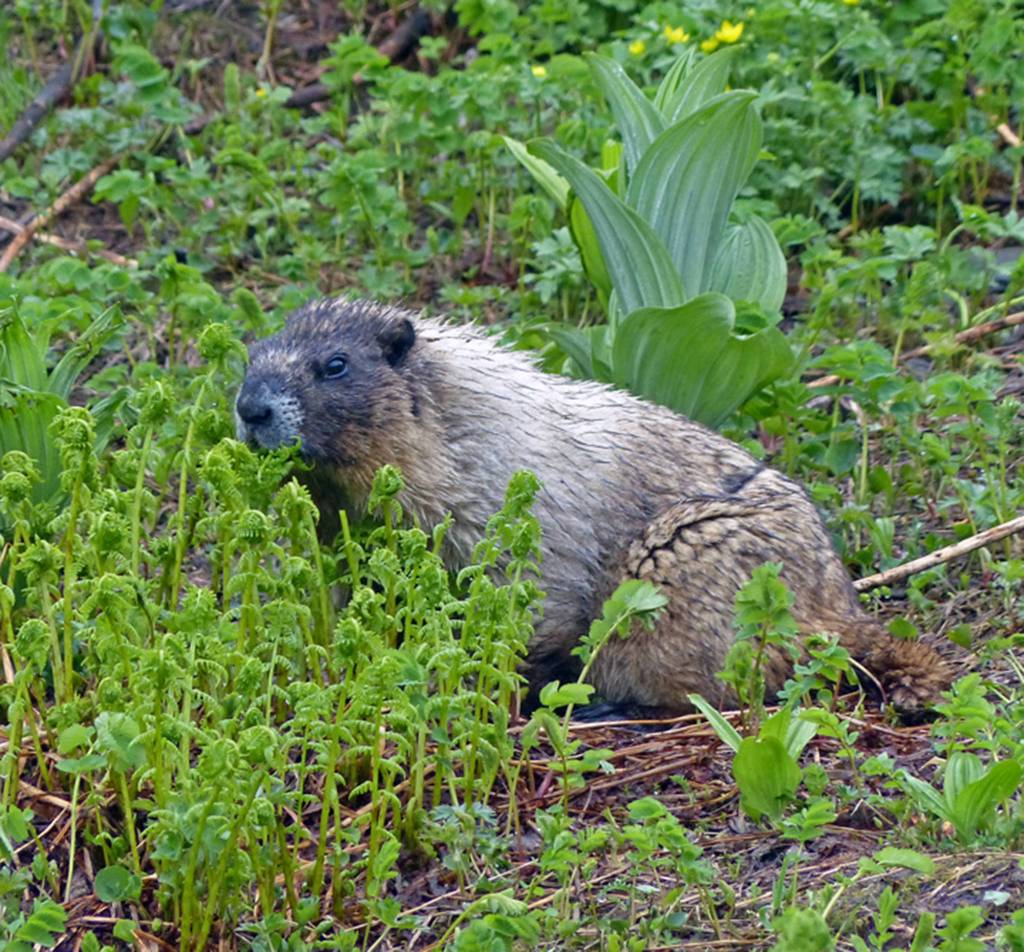
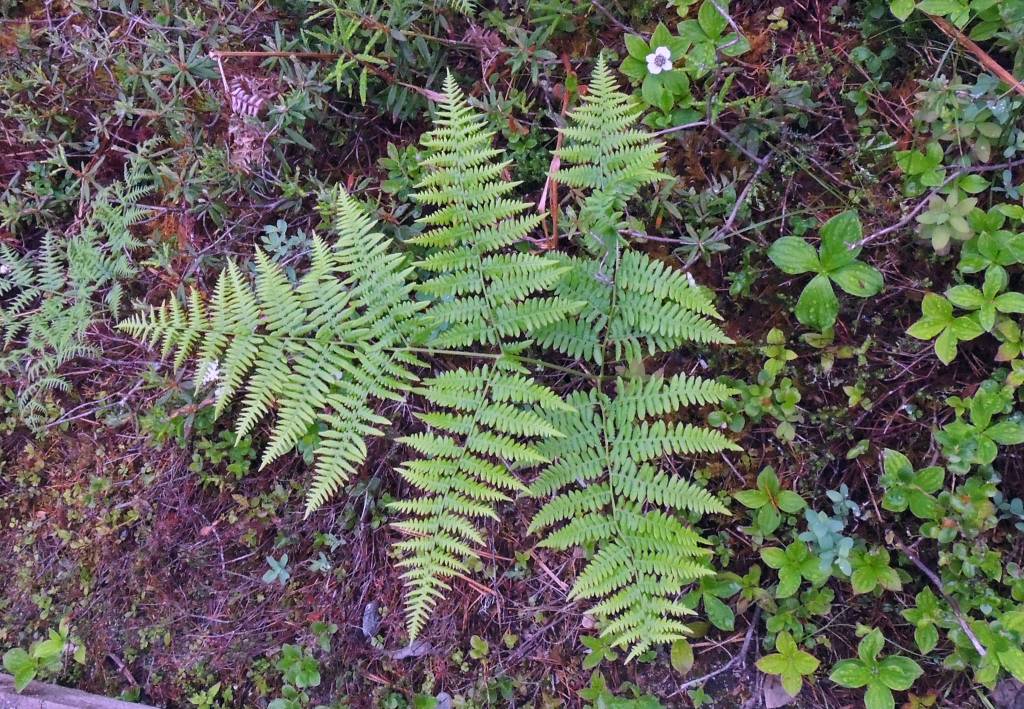


Ferns are not a very popular food item for the animal kingdom. Compared to the herbivorous insects on flowering plants and conifers, relatively few insects eat ferns. One estimate is there is about one insect species for every twenty species of fern, compared to one insect per one species of flowering plant. The disparity varies regionally, however. Hawaii, for example, has more ferns and more fern-eating insects than some other places.
The insect community on ferns is different from that on other plants. Although many beetles and moths are herbivorous, these taxa are under represented among the fern-eaters. Instead, sawflies and two taxa of true bugs (such as aphids) that typically suck plant juices (rather than chewing the tissues) are more common.
The reasons for the relative paucity of insects that eat ferns are not fully understood. One factor is surely the lack of flowers and seeds, which many kinds of insects use. Another factor probably is the defensive chemistry of ferns. Although they lack many of the defensive compounds found in flowering plants, they have considerable chemical resistance to attack by herbivores.
Bracken fern is notorious for its toxins, although toxin levels vary among bracken populations. This species has been studied intensively, because domestic livestock sometimes eat bracken. If cows and horses eat a lot of bracken, over a period of time the cumulative effects of the toxins can be lethal. Bracken turns out to be loaded with compounds that cause various blood disorders, depress levels of vitamin B1 (potentially leading to blindness), and cause cancer. The most toxic parts of the plant are the rhizomes (underground stems), followed by the fiddleheads and young leaves. A survey of toxins in other ferns would help our understanding of who eats ferns (lady fern, a common local species, is known to be toxic, to dogs, humans and presumably others, at least if large amounts are eaten; in small quantities, the filicic acid in it help control tapeworms).
Vertebrates seem to avoid eating ferns, in general. Among the mammals, white-tailed deer sometimes eat them, and feral pigs in Hawaii eat the starchy tree-fern trunks. Beavers dig up and eat the very toxic rhizomes (how do they deal with the toxins?).
The champion fern-eater is the so-called mountain beaver, a burrowing rodent living in the Pacific Northwest. It is not a true beaver; probably related to squirrels, it is the last survivor of a group that once contained many species, now extinct. More than 75% of its diet consists of ferns, mostly bracken and sword fern. Female mountain beavers shift away from ferns to a higher protein diet of grasses and forbs when they are lactating, however. Mountain beavers must have a very special way of dealing with all the toxins!
A few vertebrates nibble the spores from the spore-containing packets (called sori) commonly produced on the underside of fern fronds. The European wood mouse does this in winter. The endemic short-tailed bat of New Zealand often forages close to the ground and collects spores. There’s a little parrot in Indonesia that eats fern spores. And the Azores bullfinch eats both spores and leaves in winter and spring. Interestingly, perhaps, I have found no indication that the closely-related Eurasian bullfinch does this.
Humans eat ferns too, sometimes as a springtime change of diet, sometimes more regularly. But there are potential risks to eating very much fern tissue. Clearly, learning more about toxins in a variety of ferns would be useful. And we might learn something from how mountain beavers deal with the toxins. But in the meantime, even though careful preparation might diminish toxicity, it is best to be very cautious about eating ferns.
• Mary F. Willson is a retired professor of ecology. “On The Trails” is a weekly column that appears every Wednesday.