We’re still learning about these unusual insects
Published 10:30 pm Monday, October 5, 2020


By Mary F. Willson
For the Juneau Empire
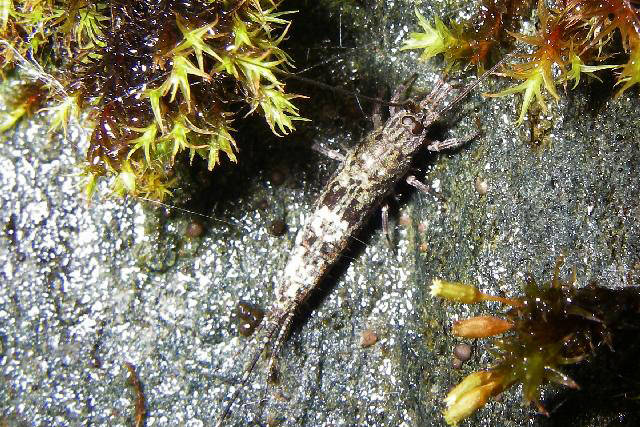
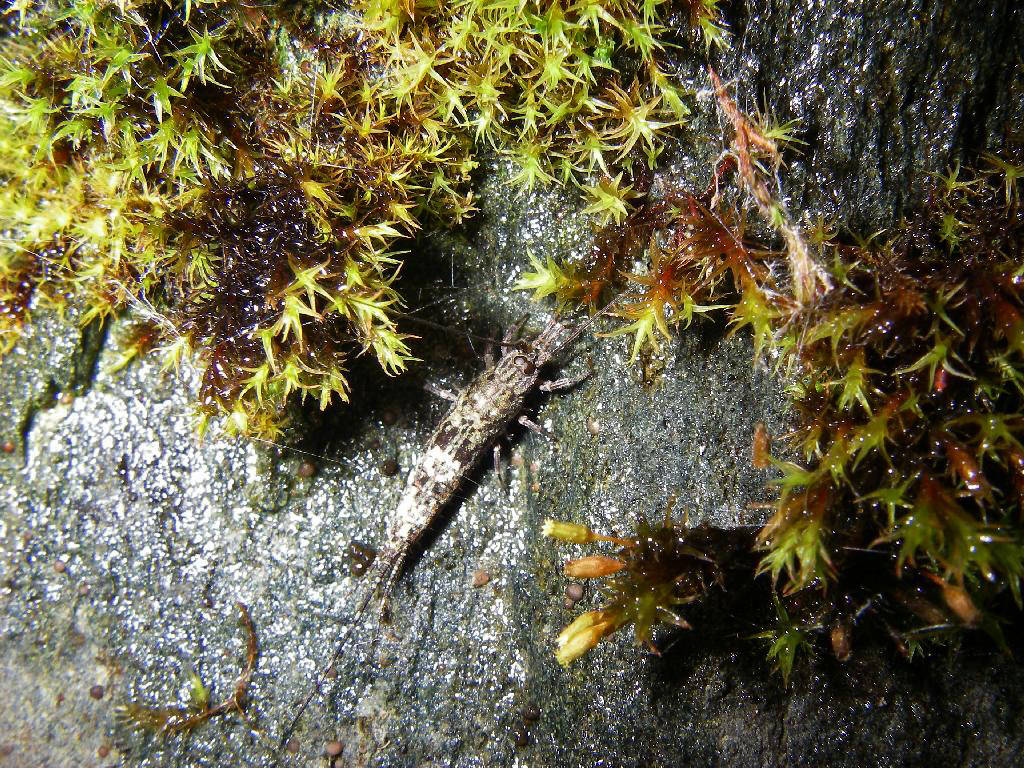
Bristletail is a name applied to several different kinds of small, wingless insects, all of which have three long, thin appendages at their rear ends; these “tails” often bear lots of little bristles, hence the name. Official taxonomy, however, now divides them into separate categories. Here I am focused on one group, called the jumping bristletails — because they can jump several inches up and away from a perceived threat. The jump is accomplished by using some of their six legs and body flexure.
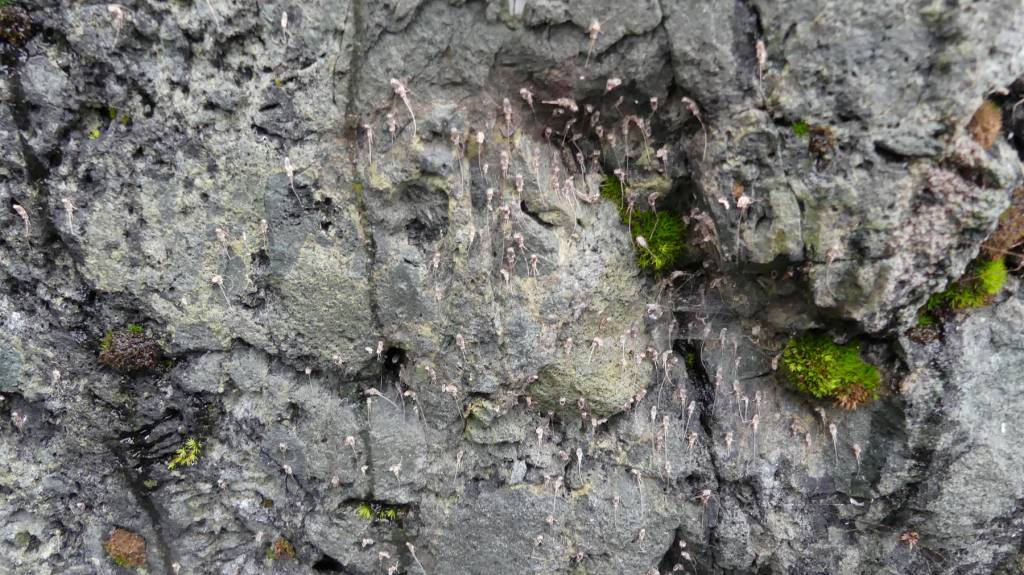
Jumping bristletails are one of several groups that arose very early in the course of insect evolution. They’ve been around for about 400 million years or so, ever since most of the land plants were mosses and lichens. A modern representative known as the Arctic bristletail (Petridiobius arcticus) lives on our rocky shores. A careful look at certain parts of the shoreline in daytime might reveal them as they forage and sun themselves and occasionally jump around or at least their molted exoskeletons stuck on a rock; however, they are reputed to be more active at dusk and night. They share their shoreline habitat with harvestmen, millipedes, slugs, spiders and who knows what else.
This species eats mostly lichens. Young ones hatch from overwintered eggs in early spring. Growing and molting through the summer, they are near mature by autumn. They overwinter again, in rocky crevices or under moss, and continue to grow through a second summer, reaching maturity at the end of that summer. That’s when mating occurs (the process in this species is so far undocumented by scientists), and eggs are laid in moss and debris among the rocks.
In general, the various species of jumping bristletails occupy a variety of habitats, including leaf litter and under stones, in bark crevices, in places ranging from high in a tree canopy to deserts and the arctic. They feed on algae and organic debris, as well as lichens and mosses. Their exoskeleton is very thin, so they are often at risk of desiccation. The small body, less than an inch long, is covered with small detachable scales that might make them difficult for a predator to grab.
They are unusual insects in several ways. In their lifetime of up to about four years, they molt many times, three to five times a year or even more, depending on how fast they are growing. When ready to molt, they glue themselves to a hard substrate and crawl out the old exoskeleton.
Young and old ones look alike except for size; there is no metamorphosis. They may take two years to mature. After some courtship dancing, most reports say that males typically accomplish mating indirectly: they spin a silk thread and attach packets of sperm there for a female to pick up. It is not clear just when the eggs get fertilized — perhaps when the eggs are laid. Females scatter their eggs in crevices and other protected places, where they may remain dormant for several months.
One arboreal species can steer its descent from the tree canopy with a long filament extending from its rear end. The filament has been shown to be necessary for a successful glide and for landing. Who knows what other amazing things may emerge as we learn more about these unusual insects.
Little invertebrates like these must have many predators. Spiders are reported to eat them. Foraging birds are likely to pick them up. Who else?
Thanks to Aaron Baldwin with Alaska Department of Fish and Game, and Matt Bowser with the U.S. Fish and Wildlife Service in Kenai, for helpful information, and to Bob Armstrong for spotting the array of exoskeletons that led to this essay. Armstrong’s videos at his website www.naturebob.com.
• Mary F. Willson is a retired professor of ecology. “On The Trails” is a weekly column that appears in the Juneau Empire every Wednesday.