Trump administration abruptly cuts billions from state health services, including Alaska’s
Published 9:30 pm Tuesday, March 25, 2025
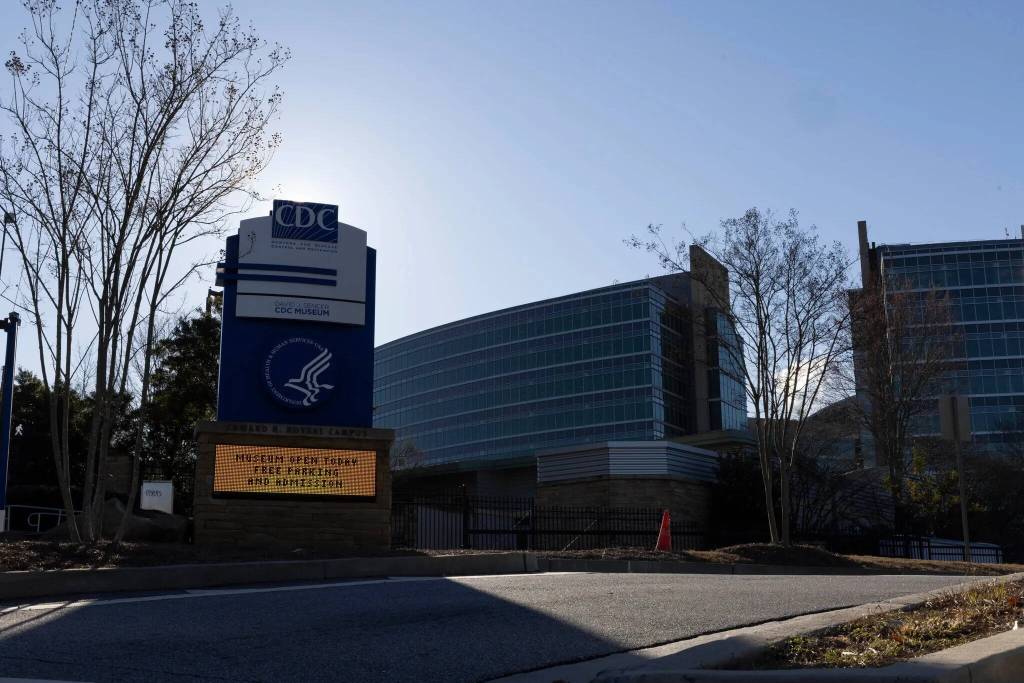
The Department of Health and Human Services has abruptly canceled more than $12 billion in federal grants to states that were being used for tracking infectious diseases, mental health services, addiction treatment and other urgent health issues.
The cuts are likely to further hamstring state health departments, which are already underfunded and struggling with competing demands from chronic diseases, resurgent infections like syphilis and emerging threats like bird flu.
State health departments began receiving notices on Monday evening that the funds, which were allocated during the Covid-19 pandemic, were being terminated, effective immediately.
“No additional activities can be conducted, and no additional costs may be incurred, as it relates to these funds,” the notices said.
For some, the effect was immediate.
In Lubbock, Texas, public health officials have received orders to stop work supported by three grants that helped fund the response to the widening measles outbreak there, according to Katherine Wells, the city’s director of public health.
On Tuesday, some state health departments were preparing to lay off dozens of epidemiologists and data scientists. Others, including Texas, Maine and Rhode Island, were still scrambling to understand the impact of the cuts before taking any action.
In interviews, state health officials predicted that thousands of health department employees and contract workers could lose their jobs nationwide. Some predicted the loss of as much as 90 percent of staff from some infectious disease teams.
“The reality is that, when we take funding away from public health systems, the systems just do not have the capacity, because they’re chronically underfunded over the decades,” said Dr. Umair Shah, who served as Washington State’s health secretary until January.
The news of the cuts was first reported by NBC.
The discontinued grants include about $11.4 billion from the Centers for Disease Control and Prevention, as well as around $1 billion from the Substance Abuse and Mental Health Services Administration, known as S.A.M.H.S.A.
Congress authorized the money for state public health programs as part of Covid relief bills. The funds were indeed initially used for testing for and vaccination against the coronavirus, as well as to address health disparities in high-risk populations.
But last year, the money was also allowed to be put toward other pressing public health concerns, including testing and surveillance of other respiratory viruses, an array of vaccines for children or uninsured adults and preparedness for health emergencies.
On Tuesday, Andrew Nixon, a spokesman for the federal Department of Health and Human Services, said in a statement: “The Covid-19 pandemic is over, and H.H.S. will no longer waste billions of taxpayer dollars responding to a nonexistent pandemic that Americans moved on from years ago.”
The Trump administration’s cancellations of grants and contracts throughout the government has led to numerous lawsuits from states and nonprofit groups, which are still in their early stages. The health grants in question were authorized and appropriated by Congress, and their termination may lead to new lawsuits. Several states said they were exploring legal options.
“We will continue to assess the full impacts and are in touch with the Attorney General’s Office and the 49 other states facing similar challenges,” Governor Maura Healey of Massachusetts said in a statement.
The surplus funds had been a boon for cash-strapped public health departments seeking to modernize their creaky systems.
For example, Alaska had been applying some of the funds toward purchasing lab equipment and updating electronic records, so that state epidemiologists would no longer need to fill in patient details manually. Other states were building systems to link surveillance data from hospitals and labs to health departments.
Antiquated data systems hampered the response in many states to the Covid and mpox outbreaks.
“We had the opportunity to update some of these things that desperately needed to be updated to have a more efficient public health response,” said Dr. Anne Zink, who stepped down as Alaska’s chief medical officer in August.
But now, with grants cut, the project will remain unfinished, and the tax dollars invested so far may go to waste, she said.
In some states, the funds have also helped study chronic diseases, whose presence increases the risk of severe outcomes and death from the coronavirus.
The funds from S.A.M.H.S.A. were not earmarked for Covid programs, and they were intended to address mental health and substance use issues. The pandemic led to widespread loneliness, boredom and anxiety, factors that contributed to a surge in overdose deaths that reached just over 111,000 in 2022, up from about 70,000 in 2019.
The peak overdose numbers dropped to about 87,000 in the 12-month period that ended in October, according to the most recent federal data. Some of the sharpest declines were in states such as West Virginia, Michigan and Tennessee, all of which strongly supported President Trump in the presidential election.
Brian Hepburn, the executive director of the National Association of State Mental Health Program Directors, said many states had also applied their funds to build out their 988 suicide lifelines and other crisis services. But states understood the funding was subject to time constraints, so few used it to fund ongoing services, he said.
In Colorado, Covid-era supplemental funds supported about 60 programs, including those for crisis response teams; services for adults with severe mental illness and for young adults with early onset of psychotic disorders; and peer support counselors for people in recovery from drug and alcohol addiction. Colorado had committed its remaining $31.5 million in grant money to support the providers of these services.
“In so many cases, these are lifesaving programs and services, and we worry for the well- being of those who have come to count on this support,” said Dannette R. Smith, the commissioner of Colorado’s Behavioral Health Administration.
The grants from S.A.M.H.S.A. were scheduled to expire in September, but some Covid grants from the C.D.C. were meant to last until 2026 and 2027.
States were preparing for the grants to expire then, but “to have it happen early and with no notice is obviously extremely disruptive,” said one state public health official, who asked not to be identified because they were not authorized to speak to the media.
Some states, like Kentucky and South Carolina, rely heavily on federal funding to run their health programs, while others, such as New Jersey and California, depend on it less. Still, most of the people and data systems that track disease outbreaks are funded by the C.D.C.
The abruptness of the decision left “no opportunities to transition people into other means, no opportunities even for a state government to say, ‘In our next budget cycle, we’re going to add X number of positions,’” said one official with close knowledge of the impact, who asked not to be named because they feared retaliation from the Trump administration.
“There’s millions of dollars that have been spent that essentially, the projects will never be able to be finished,” the official said. “This is just like throwing money out the window; it’s a total waste.”
• This story originally appeared in The New York Times.