To the rescue: Animal ambassadors educate, recuperate
Published 10:30 pm Sunday, December 26, 2021


This story has been updated to correct a spelling error.
People in Southeast Alaska share a home with abundant wildlife — often glimpsing the animals surrounding us in the Tongass National Forest. Sometimes people and wildlife intersect for better or worse. This week, the Empire is featuring a multi-part series about the work of animal rescue groups that stand by to assist animals that need help.
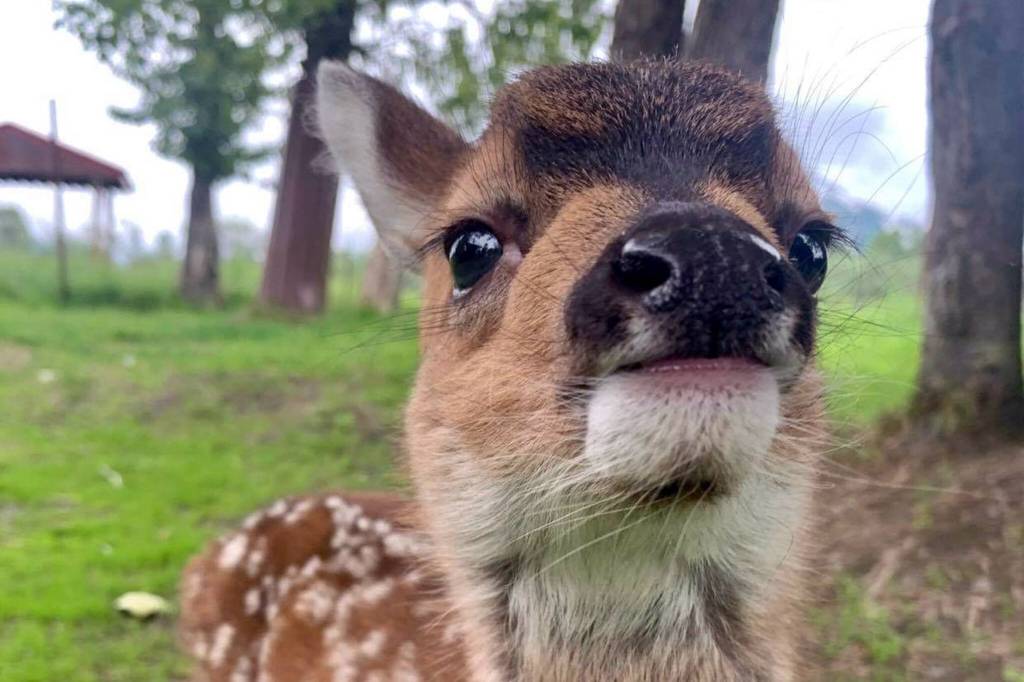
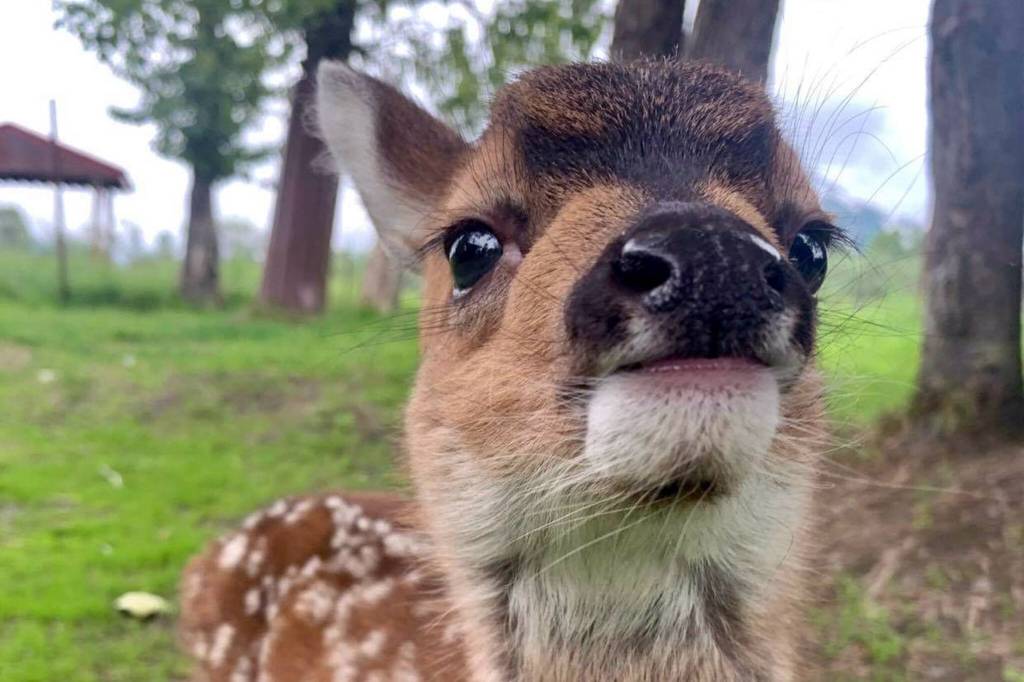
Last summer, a hiker on Kruzof Island found a tiny Sitka black-tailed deer alone in the woods. The deer’s umbilical cord was still attached, and it was the size of a cat.
Fearing the young deer had been abandoned by the mother, the hiker collected the fawn and turned it over to a local Alaska Wildlife Trooper.
“Someone found the deer and brought it to town,” explained Trish Baker, executive director of the Alaska Wildlife Conservation Center in Girdwood, near Anchorage, the sanctuary now caring for the fawn.
“Someone had good intentions, but there as no evidence the animal was an orphan,” Baker said in a phone interview last month, explaining that many mothers leave babies to forage as part of normal protocol.
After a stay with a local wildlife trooper, state officials transferred the deer to the Alaska Wildlife Conservation Center — a place where sick, injured and abandoned animals arrive from around the state for care and rehabilitation.
State officials flew the deer to the sanctuary for care based on a contract between the center and the Alaska Depart of Fish and Game.
Initially named Iris after Iris Meadows on Kruzoff Island, the staff at the sanctuary named the deer Rainbow and often call her Rain for short.
[Sealaska Heritage gets multimillion dollar grant for totem pole trail]
“She’s doing really well here. She was bottle-raised until she could take food. Now she’s going to stay at the shelter,” Baker explained. “Our staff is fantastic.”
Baker said she encourages people who find young baby animals alone in the forest to call the Alaska Department of Fish and Game to report the finding. She discourages them from intervening or touching the animal.
Rainbow’s story ended happily. But, often animals that are collected by well-meaning people are euthanized.
Also, Baker points out that the mother of deer lost out on an important experience for wildlife.
“The mom won’t be able to teach,” she said.
Baker said that, unlike Rainbow, many of the animals at the center can’t survive on their own due to injuries or amputations.
“They tell important stories about what do to and not to do,” Baker said.
Ambassadors
Baker said animals at the center serve as ambassadors for their species and support the center’s mission to preserve Alaska’s wildlife through conservation, education, research and quality animal care.
She said the animals who make the sanctuary home play a key role in helping educate people about wildlife in Alaska. Visitors can get close to the animals and observe them in a more natural setting. Animals live in large enclosures the feature a typical habitat and interpretive information help visitors learn more.
About 270,000 people visit the center each year, according to Alex Roberto, social media and administrative manager for the center.
Baker said that visitors often see brown bears cooling off in the water, bull moose strutting and wood bison roaming in the 200 acres the center covers.
She said that limited “up-close” bear and moose encounters are available in the summer, which allows visitors to go into animal enclosures with a keeper to help feed the animals along with a private question and answer opportunity.
“Seeing a certain wolf or porcupine makes people feel positive about wildlife,” Baker said.
Visitor rebound
Baker said visitor numbers were down in 2020 due to pandemic restrictions on travel. The staff looked for new ways to reach people and share information about the animals in their care.
“We started Zoom field trips. We’ve even had two international ones — with one in Hong Kong and one in the U.K.,” Baker said.
[Wild Shots” Photos of Mother Nature in Alaska]
After a pandemic-dampened summer in 2020, the crowds returned during the summer of 2021, Baker said.
“We were actually slammed,” she said, noting that independent travelers often visited the center this summer. Unlike cruise ship passengers, independent travelers don’t usually make reservations in advance, she said.
Baker said that when the center learned that limited cruise ships would arrive, the news created some staffing pressure.
“It was all good news. It was a busier year than anticipated with fewer staff members than we needed,” she said.
Baker attributed the surge of visitors to the strange nature of travel last summer.
“Americans were kind of shut out,” she said. “They could not travel to Europe, so we saw a lot of domestic travel, and people always have Alaska on the list.”
Baker said that the team at the sanctuary is available year-round to host visitors and accept animals that need help.
“We have the best staff imaginable,” Baker said. “This is such a great team.”
• Contact reporter Dana Zigmund at dana.zigmund@juneauempire.com or 907-308-4891.