State officials: Ballot Measure 1 will make some construction projects impossible
Published 4:07 pm Friday, July 20, 2018
Ballot Measure 1 is intended to boost protections for salmon, but a series of state officials told lawmakers Friday that those protections will come at a significant cost.
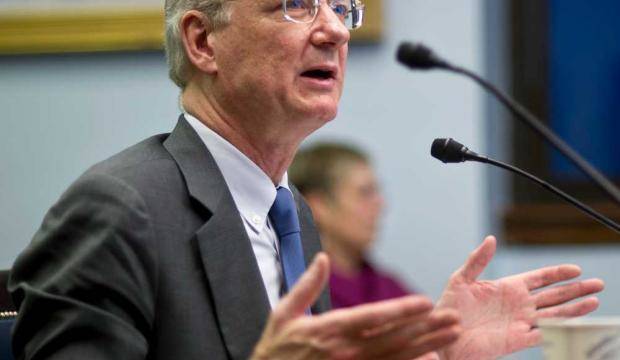
Four state commissioners and associates testified Friday afternoon before the Alaska Senate State Affairs Committee and explained how the measure would affect the state if approved by voters in the November general election.
In some cases, the effects would be significant.
The measure would “make it nearly impossible to permit the Alaska LNG project,” Department of Natural Resources Commissioner Andy Mack told the Senate State Affairs Committee.
AKLNG is the formal name of the trans-Alaska natural gas pipeline proposed by Gov. Bill Walker.
The officials were unable to provide specific cost estimates in most cases; they instead offered information about the side effects the initiative would have as it pursues its goal of fisheries protection.
State officials Friday had to tread carefully and avoid expressing their opinions as to whether or not they support the initiative. State law prohibits spending to influence the outcome of a ballot measure, unless specifically authorized by the Legislature, and that didn’t happen this year.
Instead, representatives of the transportation, natural resources, environmental conservation, and Fish and Game departments simply presented the likely consequences and let legislators (and the few dozen observers) make up their own minds.
“There isn’t a whole lot of time to educate people … that is why we wanted to do this now,” said Sen. Kevin Meyer, R-Anchorage, explaining why the committee held the hearing.
“We are not going to take a position on the initiative, pro or con. This is simply a fact-seeking meeting,” said Meyer, who also is a candidate for the Republican lieutenant governor nomination.
Ballot Measure 1 is designed to rewrite much of Title 16, the state’s program for permits that affect fish habitat.
Kyle Moselle, associate director of the office of project management and permitting for the Alaska Department of Natural Resources, said that in addressing Title 16, it “could constrain DNR’s statutory authority to appropriate water.”
That’s a significant issue because most construction projects in Alaska have to affect surface water in some way.
“When you’re talking about water, it’s everywhere. It’s ubiquitous in our state,” he said.
A water permit is needed when a road crosses a stream, when a mine covers wetlands, or when a pipeline bridges a river.
Ben White, statewide environmental program manager for the Alaska Department of Transportation, said the way the measure deals with water “has the potential to increase the time it takes to get a permit.”
DOT, for example, is likely to have to perform more environmental assessments and environmental impact statements, things that take years, instead of analyses that might take months.
He suggested that projects would also have to be “overdesigned to accommodate fish.”
Current rules require construction projects to mitigate any damage to fish habitat with work elsewhere. The ballot measure changes that to require on-site mitigation, something that would be difficult or impossible for some projects.
Larger projects might not be able to obtain a permit at all under the stricter guidelines, the state officials suggested.
In addition to AKLNG, officials repeated the affidavit of one industry expert who said the Prudhoe Bay oil field could not have been developed under the standards implemented by Ballot Measure 1.
The problems might extend to projects that are already operating but need to expand or change their operations. A planned expansion of the Red Dog Mine, in northwest Alaska, might run into difficulties, it was suggested.
Sen. John Coghill, R-North Pole, suggested that in some cases, the initiative could grant an exclusive water right to fisheries.
He said he understands where initiative supporters stand, but he isn’t sold on the argument.
“I don’t blame them. Fish are very, very important, but they’re not exclusively important,” he said.
• Contact reporter James Brooks at jbrooks@juneauempire.com or 523-2258.