Rolling back criminal justice reform would cost Alaska millions
Published 12:10 am Thursday, March 30, 2017
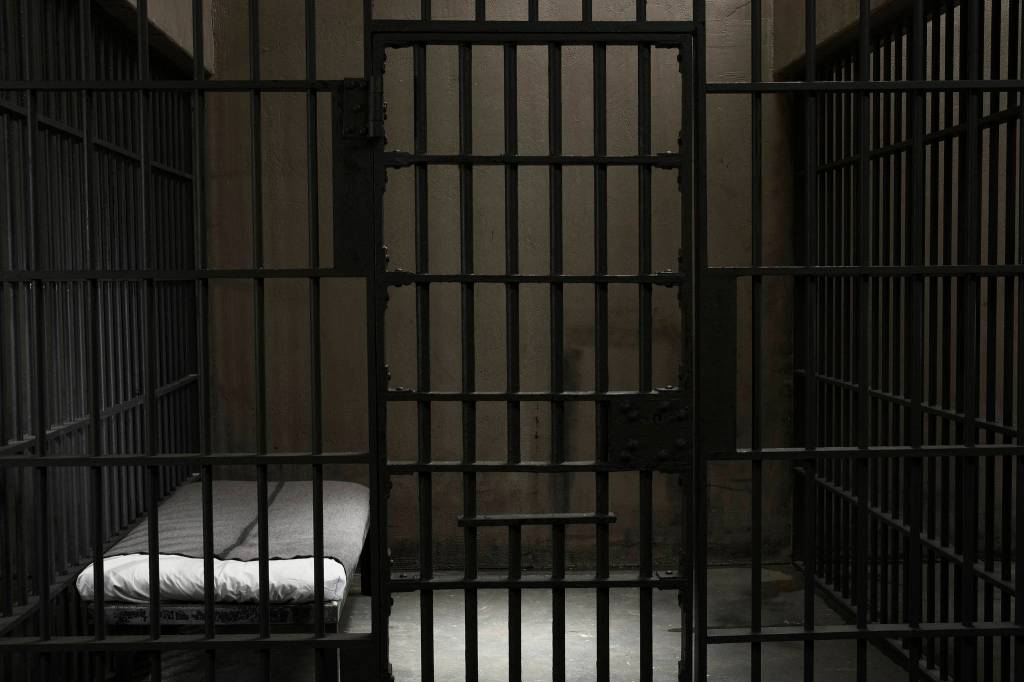
Senate Bill 91, one of the biggest changes to Alaska’s criminal justice system in decades, was touted as using an evidence-based approach to emphasize treatment and diversion instead of prison.
The core idea behind the bill was that prison terms for lesser offenses trap people in a cycle. If they go to jail, they can’t keep a job. If they can’t keep a job, they’re more likely to turn to crime to survive.
“You put them in jail, they’re more likely to commit a crime in the future,” said John Skidmore, head of the criminal division of the Alaska Department of Law.
Now, lawmakers are discarding that system before it has even been fully implemented.
The Alaska Senate Finance Committee is considering Senate Bills 54 and 55, which would increase prison terms for some of the crimes that SB 91 addressed.
That approach will cost more money and won’t reduce crime, experts warned the committee on Tuesday.
“You’ll both see a negative impact on the budget … but also reduced effectiveness in terms of reducing recidivism,” said Quinlan Steiner, the state’s public defender and a member of the Alaska Criminal Justice Commission.
Corrections commissioner Dean Williams said Tuesday that if lawmakers roll back last year’s criminal justice reform bill, the state will spend millions of dollars per year and may be forced to reopen a prison it closed.
“My budget has been set with the expectation that there is going to be future contraction of the prison population,” Williams said. “If we make these changes and we have enhancements in some of these sentences, I’m looking for some dollars to come back into the system to keep the system a viable system and keep it a safe prison system.”
Asked whether the Department of Corrections might be forced to reopen the recently closed Palmer Correctional Center, Williams said, “Yeah, it’s possible.”
Financial notes presented to the committee indicate the rollback could cost the state more than $4.3 million per year. That’s almost 20 percent of the savings forecast when Senate Bill 91 passed the Legislature last year.
The Criminal Justice Commission spent years in research and discussion before making 21 unanimous recommendations to the Legislature in 2015. Those recommendations were the heart of SB 91. SB 91 also promised to save $21.1 million per year and millions more in deferred costs.
Earlier this year, a divided commission made recommendations to modify the bill. Lawmakers have incorporated some of those changes into SB 54 and SB 55, but they’ve gone beyond those recommendations on a handful of controversial items.
The biggest of those is a change to sentencing for Class C felonies, the least-severe felony category. Class C felonies represent 40 percent of all people jailed in Alaska.
SB 91 imposed a suspended jail sentence for people convicted of a Class C felony for the first time. This year, the commission recommended changing that to an active jail sentence of 0-90 days, chosen by the judge. Lawmakers instead put an active sentencing range of 0-365 days into SB 54.
“A year of jail amounts to what is basically a rollback of the original policy,” Steiner said, “and what you’re going to see from this is an increase in felony convictions and jail time without any associated increase in rehabilitation, necessarily.”
Lawmakers are being driven by an outcry from their constituents, who — according to the Alaska Justice Statistical Analysis Center — have seen a surge in violent crime since 2014.
“Citizens are pretty upset,” said Walt Monegan, commissioner of the Department of Public Safety. “What’s happening now … does not appear to work.”
Testifying during a public comment period Tuesday, Ron Flint of Nugget Alaskan Outfitters, said he’s seen a surge in shoplifting since the passage of SB 91.
“I get a sense that these criminals feel emboldened,” he said.
Most of the other testifiers, however, urged lawmakers to stick to SB 91 and give it a chance.
Speaking for the Alaska Federation of Natives, Nicole Borromeo said “the evidence is simply not there” when it comes to the need for changes. AFN favors making no changes before 2021.
Kara Nelson, director of Haven House in Juneau, asked lawmakers to keep SB 91 in place and said she has seen people turn their lives around at the halfway house she manages.
“Our public safety has definitely not been diminished because people are given opportunity to be parents and build communities together,” she said.
• Contact reporter James Brooks at james.k.brooks@juneauempire.com or 419-7732.