Rare geomagnetic storm causes powerful aurora display in Juneau
Published 3:00 pm Monday, January 19, 2026

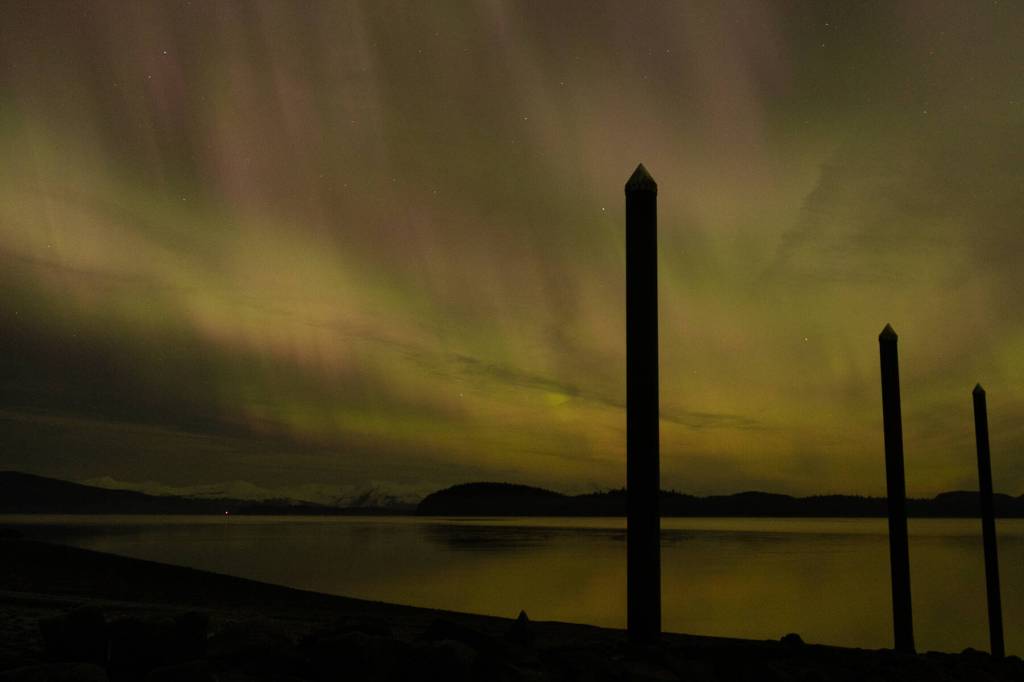
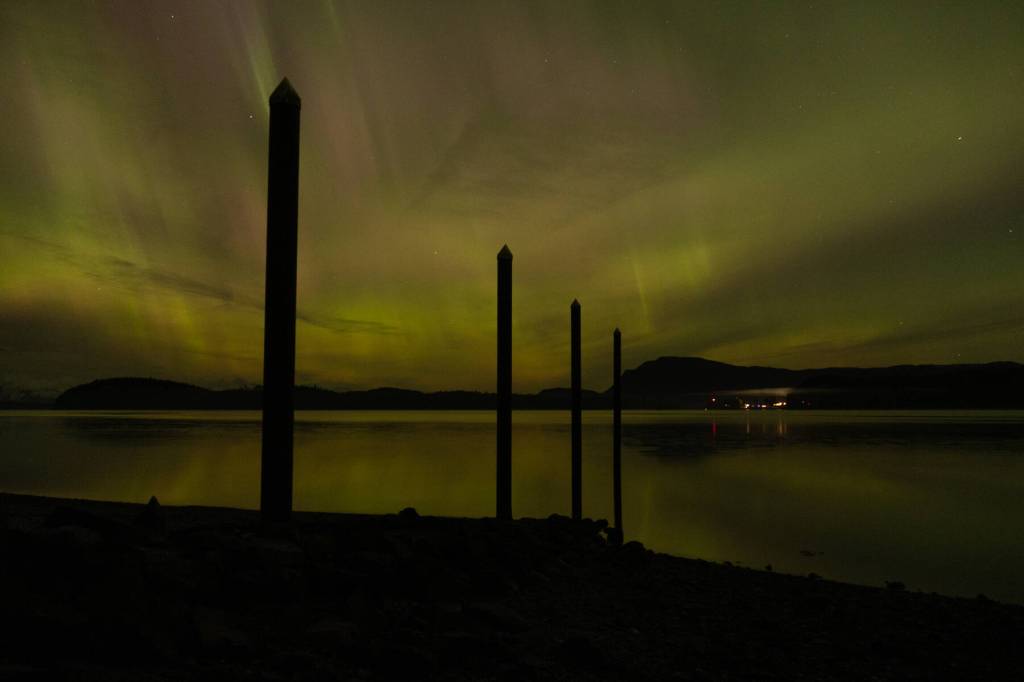

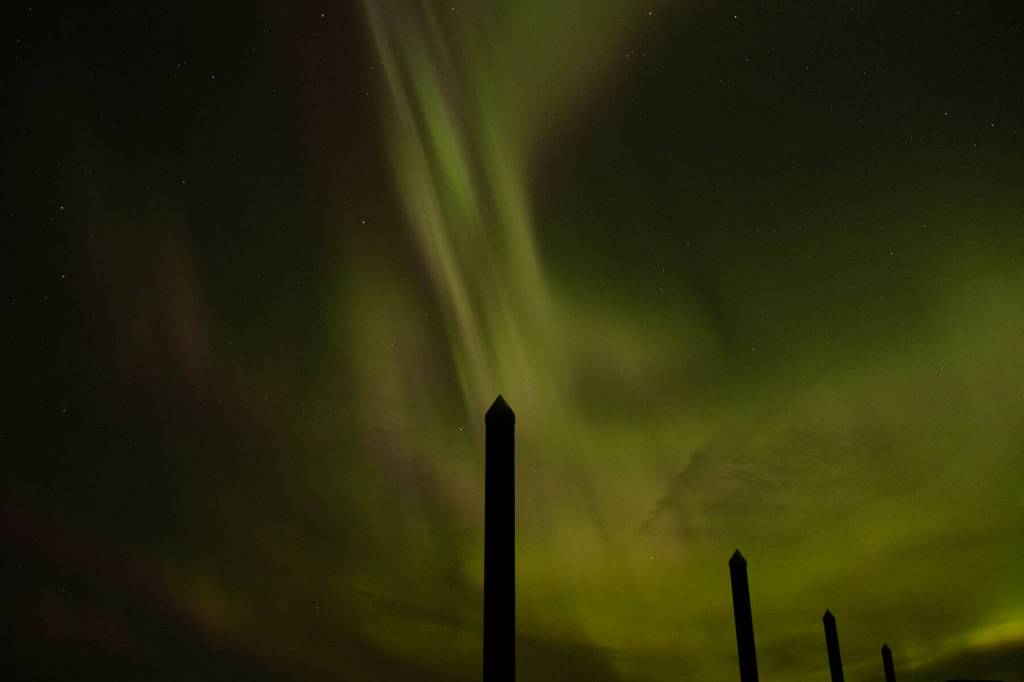
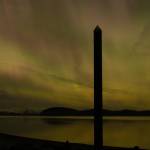
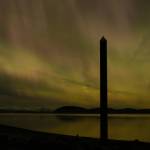
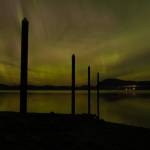
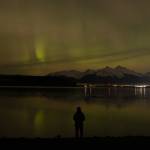
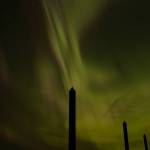
A geomagnetic storm caused unusually bright northern lights Monday evening and into Tuesday morning. A coronal mass ejection — or solar flare — resulted in auroras visible as far south as Alabama, according to a Facebook post from the National Oceanic and Atmospheric Administration National Weather Service Space Weather Prediction Center.
NWS issued a geomagnetic storm watch after detecting the flare Sunday. The watch went into effect late Monday evening, when NWS expected the charged particles from the sun to collide with the earth’s magnetosphere. Lance Chambers, lead meteorologist at the NWS Weather Forecast Office in Juneau, said the last time a storm this powerful was detected was in 2003.
Chambers said ejection events send strong solar winds toward the earth, causing highly charged particles to collide with the magnetosphere, a teardrop-shaped region over the atmosphere that protects the earth from radiation.
“They hit that, and then basically, that’s how we get our northern lights, or aurora borealis and aurora australis,” Chambers said. “It’s those highly charged particles interacting with the Earth’s atmosphere near the north and south poles.”
In addition to resulting in stunning aurora displays, powerful geomagnetic storms can damage technological infrastructure like GPS communications and satellites. Chambers said he wasn’t aware of any damage resulting from Monday’s storm.
In Juneau, the sky lit up in green, purple and white from South Douglas to the Mendenhall Glacier and beyond.
“Now is the time everyone,” Jennifer June wrote in a post in the Juneau, Alaska Aurora Borealis Facebook group. “Go out and look. There’s a river in the sky.”