Planned fiber-optic cable will add backup for Alaska’s phone and high-speed internet network
Published 9:30 am Friday, December 5, 2025
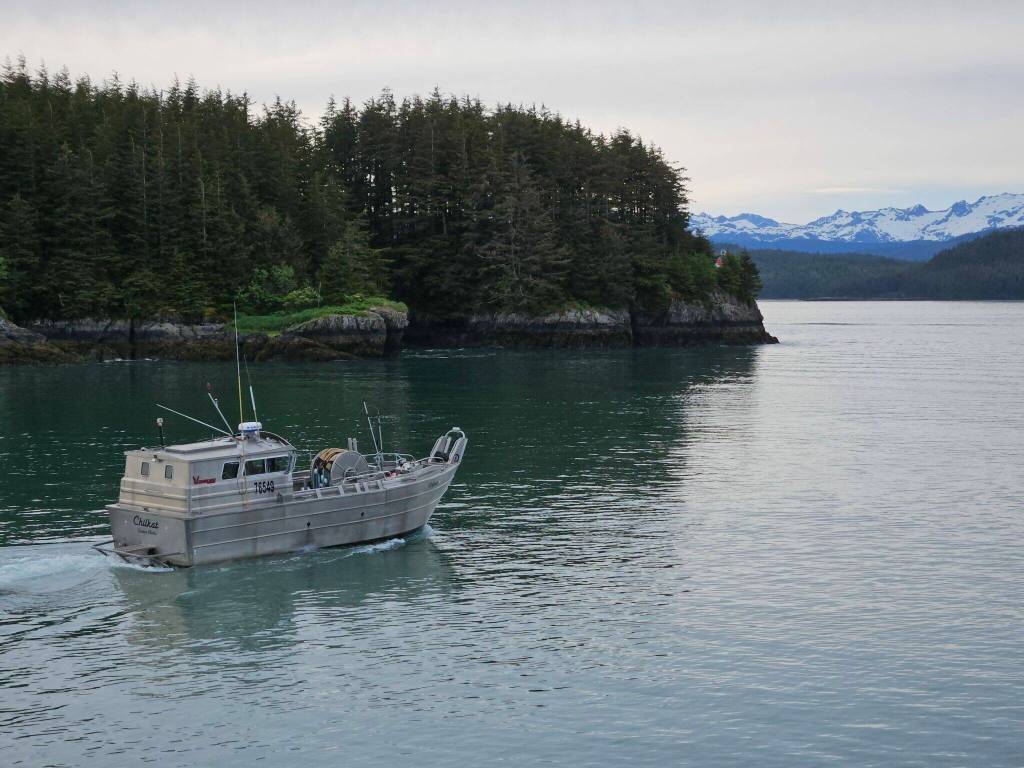
One of Alaska’s smallest telecommunications companies is about to provide a critical backup for the entire state.
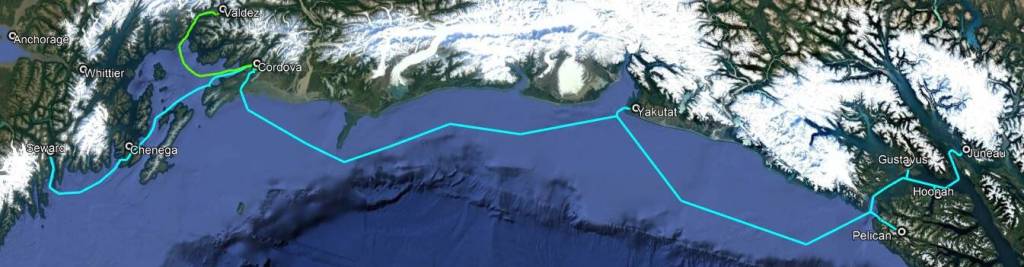
On Wednesday, Cordova Telecom Cooperative and GCI announced a partnership to lay an undersea fiber optic cable from Juneau to Cordova and a second cable from Cordova to Seward.
When open for service in fall 2027, the two cables will provide high-speed internet to small communities in Prince William Sound and northern Southeast Alaska.
The development matters to the rest of the state as well, because when combined, they will provide a route for internet traffic between the Railbelt and Outside. Currently, four undersea cables through the Gulf of Alaska are the principal routes for internet and phone traffic between Alaska and the rest of the world.
Matanuska Telecom Association opened the state’s first overland fiber connection in 2020 as an alternative, and the new route will give the state another redundant option, said Cordova Telecom CEO Jeremiah Beckett.
“With what we’ve built out, scalability wise, we could put all the current Alaska traffic on our network if needed,” Beckett said.
While satellite internet services like Starlink have transformed life in rural Alaska, ground-based fiber internet remains the backbone of worldwide telecommunications, delivering service faster and in volumes that satellites can’t provide.
“It’s kind of like rural communities that don’t have the ferry,” Beckett said. “Places without fiber don’t have the same access that folks with fiber do. So this is really to help connect those rural areas and give them the same access to the digital economy and marketplace as the rest of the world.”
Despite their advantages, fiber-optic cables can be vulnerable.
“Up north, it’s ice scouring … and in our area, it’s typically ship anchors and earthquakes,” Beckett said.
Alaskans have become intimately familiar with the consequences of broken cables in recent years.
Northern and northwest Alaska are particularly familiar: Quintillion’s fiber-optic cable has been severed three times in two years. The latest break wasn’t fixed for more than seven months because sea ice precluded repairs. That caused widespread problems in areas served by the cable.
In March, a break in a subsea cable left the Alaska Legislature to do business on paper for a day and knocked out both cellphone and internet service for much of Juneau. Juneau had alternatives; a temporary fix was in place within days.
When the cable leading to Sitka broke in 2024, it took weeks to repair. People canceled surgeries and businesses went cash-only until internet service was restored.
Adding a backup fiber route reduces the odds of blackouts like those. Currently, Cordova is served by a single undersea fiber line through Prince William Sound to Valdez.
When the project is complete, internet and phone traffic will have three possible routes: north, west, and east.
The two cables will cost roughly $88 million combined, according to figures provided by Beckett, and the project is principally funded through two federal grants. Cordova Telecom is paying for part of the project, as is GCI, which will be what Beckett calls an “anchor tenant and partner.”
“It was a good matchup for both of our long-term goals,” he said.
In a prepared statement, GCI senior vice president Billy Wailand praised the plan, which is formally known as Fiber Internet Serving Homes in Southeast Alaska, or FISH in SEAK.
“Critical state services require network diversity,” he said. “GCI turned up the first subsea cable to Alaska in 1999 and landed a second diverse fiber in 2008. We are thrilled to partner with CTC on its FISH in SEAK project, which includes a next-generation cable that ensures Alaska and its capital city continue to benefit from the newest technologies and adds another crucial layer of redundancy to the network.”
Communities along the cable route will see huge changes, Beckett said. Residents of Pelican on Chichagof Island in Southeast Alaska, who use boardwalks instead of roads and four-wheelers instead of cars, will be able to get fiber internet access directly to their homes.
The island village of Chenega in Prince William Sound, which has about 50 year-round residents, likewise will have new access to fiber internet.
Alaska’s Lost Coast, between Glacier Bay and Yakutat, could be dotted with cellphone towers.
Beckett, who grew up in Cordova, returned to the town with his spouse 12 years ago, “basically when Cordova got its subsea fiber,” he said. “We were both teleworkers, and that created the opportunity for us to move back to Alaska, essentially.”
Since then, he’s seen internet service improve and has become head of his local telecom, which has just 20 employees.
Because it’s a cooperative, it’s run as a nonprofit, he said. That means the telecom’s goal is to deliver faster service and low rates, not necessarily generate a profit.
In Yakutat, “a few years ago, you couldn’t get cell service anywhere,” Beckett said.
“We’ve upgraded the cell service there to 4G and outside of the fishermen complaining because their wives can get hold of them, it was a huge boost for the community,” he said.
“If someone gets hurt, they can call the paramedics and not have to drive 20 miles before they get to service. … It’s giving people reasons to think about moving home, because it’s one less inhibitor to be back in Alaska,” Beckett said.
“Yakutat actually got a new clinic a couple years ago, and then with this, I think they’re going to see some good growth. Everyone likes core services, right?”
James Brooks is a longtime Alaska reporter, having previously worked at the Anchorage Daily News, Juneau Empire, Kodiak Mirror and Fairbanks Daily News-Miner. A graduate of Virginia Tech, he is married and has a daughter, owns a house in Juneau and has a small sled dog named Barley.
Alaska Beacon is part of States Newsroom, the nation’s largest state-focused nonprofit news organization.