Planet Alaska: Carrying on our traditions
Published 6:30 am Wednesday, June 17, 2020
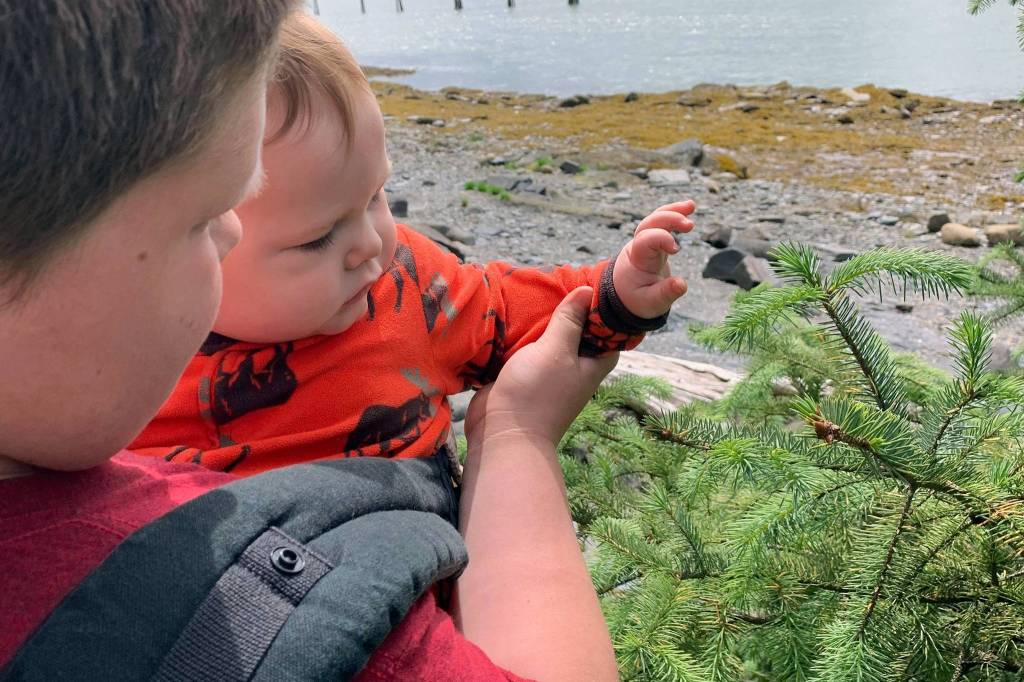
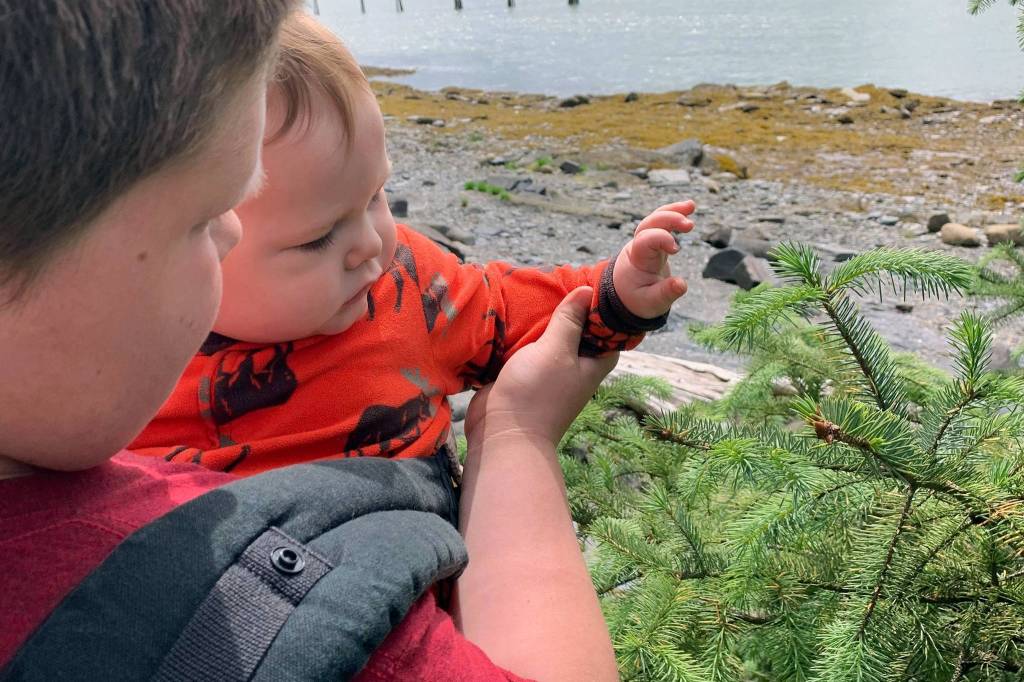
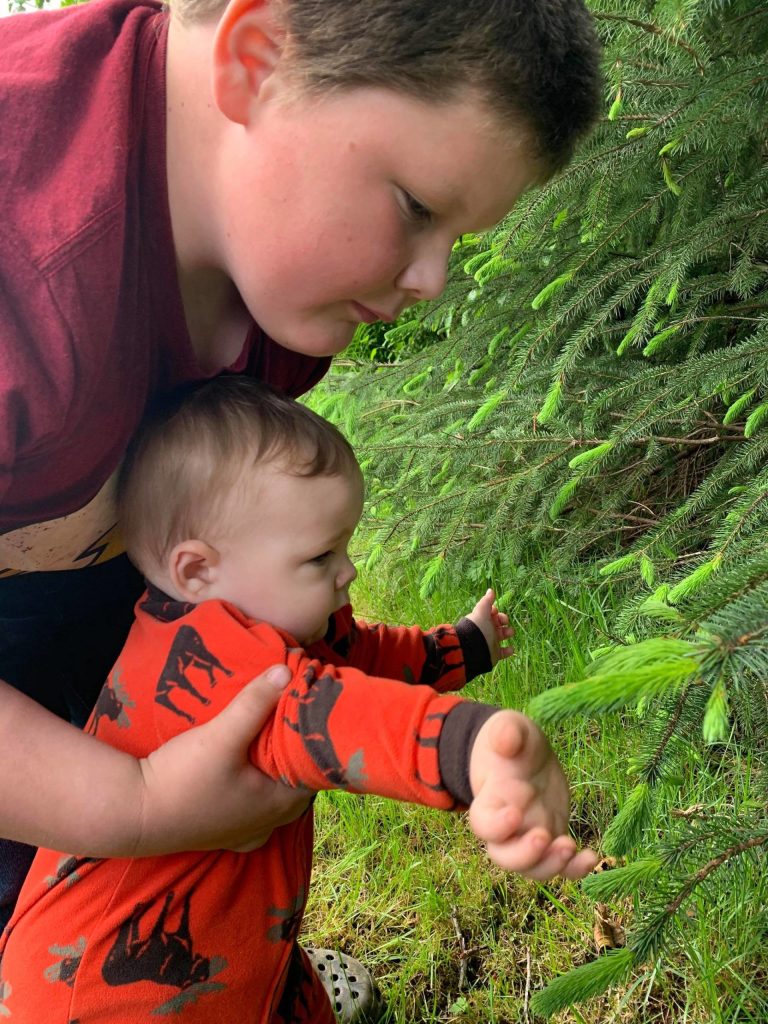
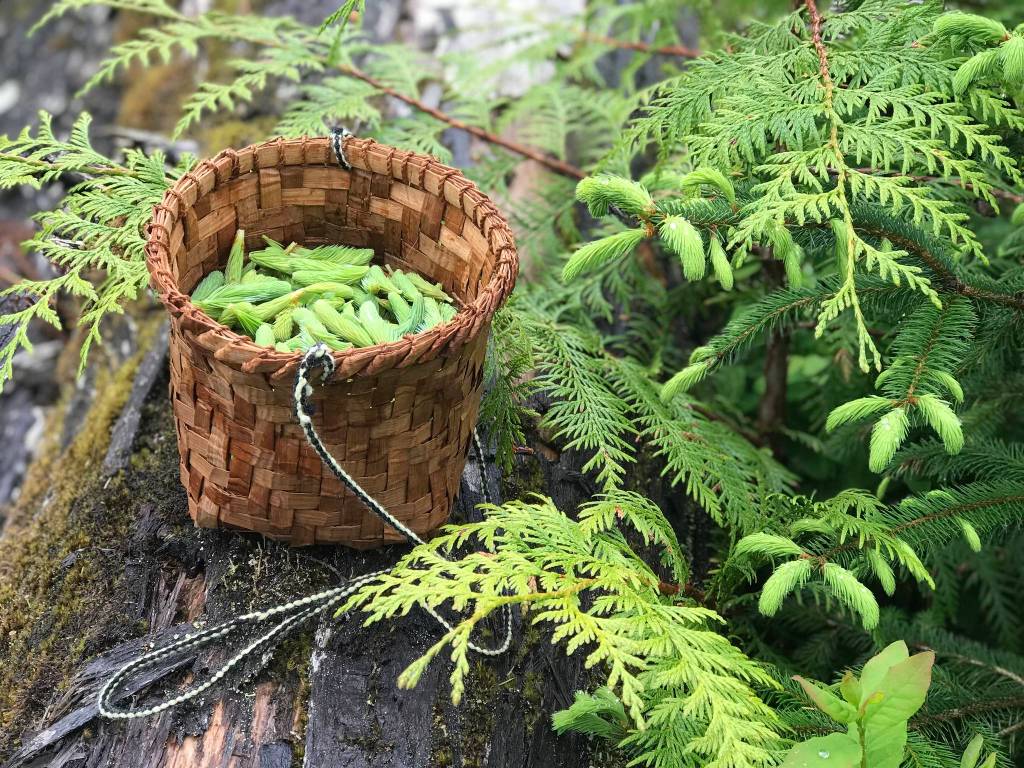
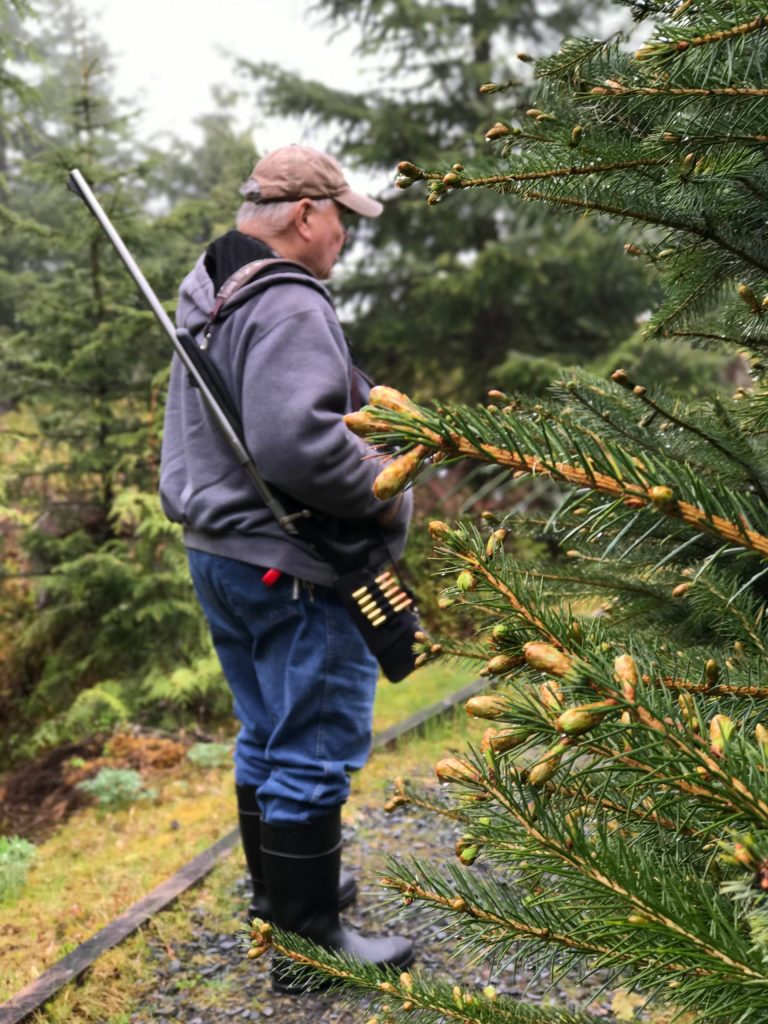


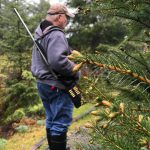
My youngest daughter, Nikka Mork, Cháas’ Koowú Tláa, doesn’t let the pandemic stop her from harvesting traditional foods. One of her favorite foods is spruce tips, an important part of her Tlingit culture. For Nikka, harvesting spruce tips is about teaching respect and educating her children about the medicinal and nutritional value of plants. “Harvesting teaches the ways and values of our Tlingit ancestors.”
Nikka has been harvesting spruce tips for food for the last decade. She recalls as a child walking through the woods while spruce tips were budding. “I’d pick a couple and eat them as I explored the woods. Some were sweet, some were citrusy, and some tasted woodsy, meaning they were too big to be picking. It was fun to pick the needles off to eat the tart center as a refreshing snack.”
Adjusting to harvesting in a pandemic means there’s less help from extended family and friends who are sheltering or keeping their social bubbles small. “Some days it’s hard to make myself go out and get things like spruce tips. I’m used to my mom and my grandpa saying they’re ready to go. It motivates me to get out there with them.”
This year, Nikka and her partner, John, are harvesting with their 7 year old, Jonah, and a 1-year-old baby, James (also called Bear).
[Planet Alaska: Spruce tips bring a touch of spring in winter]
If you’re keeping a safe distance from others, it’s sometimes difficult to find areas that aren’t frequented by other harvesters, especially closer to town. And harvesting with a small family in the wilderness can be difficult without help. “It’s challenging to find a safe spot where I can stay near my car in case unfriendly wildlife show up.”
Less family means less talking and singing, which lets wildlife know you’re in the area.
Adjusting her spruce tip picking schedule to the baby’s schedule is difficult.
“It pretty much goes like this: Feed the baby, put him in the front pack or stroller (depending on where we are), pick spruce tips, baby wakes up and I feed him again and play with him, then pick more spruce tips and feed the baby again, and finally, get one last pick in for the day. It takes more time, now, to get enough spruce tips for the day but it’s doable.”
A multi-purpose harvest
These problems don’t take away from the satisfaction of having a good batch of spruce tips to put up for the year, though. Nikka makes all kinds of foods from spruce tips, but her favorite is making a spruce tip, fireweed jelly blend. She’s also been making candy with spruce tips and especially loves spruce tip water and spruce tip tea. “It’s a refreshing water that tastes just how spruce tips smell and I love adding in lemon slices.”
Many of the things Nikka knows about spruce tip harvesting she learned from family.
“I look for the brown husks starting to fall off and I know it’s time to start picking. I like to get a variety of small tips to ones that’re almost too big. When I’m cooking with them I like the flavor of the different stages all mixed together. When I pluck one to eat, though, I look for a tip with the needles closed and pressed together. Those have the best flavor.”
Experiential, hands-on learning is an important part of Tlingit education and Nikka is hoping the pandemic won’t stop people from passing on traditional knowledge. Plus, harvesting with family and clan has always been a part of traditional healing and we need to stay as healthy as we can. Getting outdoors heals many things, a value embedded in the Tlingit culture.
Nikka says “I love harvesting spruce tips. It makes me feel connected to the earth and when I show the plants respect by being careful when picking, only taking so much from each tree, and saying thank you, the trees feel that respect and will continue to produce tips. Picking spruce tips and using them in different ways is something we need to pass on to the next generation. I’m afraid the knowledge will be lost and people won’t pick them anymore if we don’t take the time to harvest even in difficult times.”
Nikka is sad her grandpa and I can’t go harvesting with her this year, but she understands. Her grandpa, my dad, is 80 years old and lives with me at the fishcamp and we’re keeping a close-knit unit to avoid being exposed to Covid-19. Nikka believes it’s important to harvest with family, especially elders. “I always learn something from my elders. When you go as a family, it’s a different level of respect you’re giving to the land and the plants. When a grandmother or grandfather is showing kids how to pick, and what not to pick and why, there’s a deep connection happening. It’s respectful to our ancestors. It’s teaching my kids how to be good parents and good grandparents or uncles one day.”
Young families like Nikka’s are facing many challenges since the pandemic began. Home-schooling, lack of work, and finding jobs that won’t endanger the family and even getting out to get groceries and run errands is challenging. Things that were once simple take more thought and planning. Nikka says time is also one of the obstacles to harvesting.
Making time
“With a 7 year old and a 1-year-old, by the time I get out to pick, more than half the day is gone. I try to keep the kids interested so they don’t feel it’s something they have to do rather than something they want to do. Some days, though, I have to make them go with me and get it done because every day is a another day closer to the end of spruce tip season. Spruce tips don’t wait for you, so I have to just get out there and do it!”
[Planet Alaska: Eat your trees]
Nikka explains that her son Jonah goes through the same process every year where he doesn’t want to go pick but wants the jelly and ends up tagging along but not helping. “But this year he’s older so he’s been walking around with a bag, harvesting spruce tips anywhere he goes! He’s excited about what we’re going to make with them.”
Harvesting spruce tips is important to Nikka. Someday she’ll be back out harvesting with her extended family again. For now she has great memories. “About four years ago, I was spruce tip picking with my mom and my son Jonah who was three at the time. The weather was beautiful and the tips were ready. My toddler was being good so we picked and picked until we had poked ourselves too many times and our hands hurt. We took a lunch break with a beautiful view of Zimovia Straits. It was a perfect southeast Alaska day.”
For Nikka, the best part about getting spruce tips is sharing with elders and the local tribe. Every year she brings the things she makes with spruce tips to the tribe to share with elders and those who can’t harvest any longer.
“I love teaching my sons to take care of their elders, even ones they don’t know!”
Nikka’s connection to Tlingit Aaní is sustained through harvesting spruce tips.
“My connection to the land when harvesting is hard to explain. Time kind of stops or slows down. Everything is quiet except the birds. If I listen carefully I can hear our ancestors saying Gunalchéesh for carrying on our traditions.”
• Wrangell writer and artist Vivian Faith Prescott writes “Planet Alaska: Sharing our Stories” with her daughter, Vivian Mork Yéilk’. Planet Alaska publishes every other week in the Capital City Weekly.