PFD formula proposals provoke strong public reaction
Published 10:30 pm Sunday, February 20, 2022
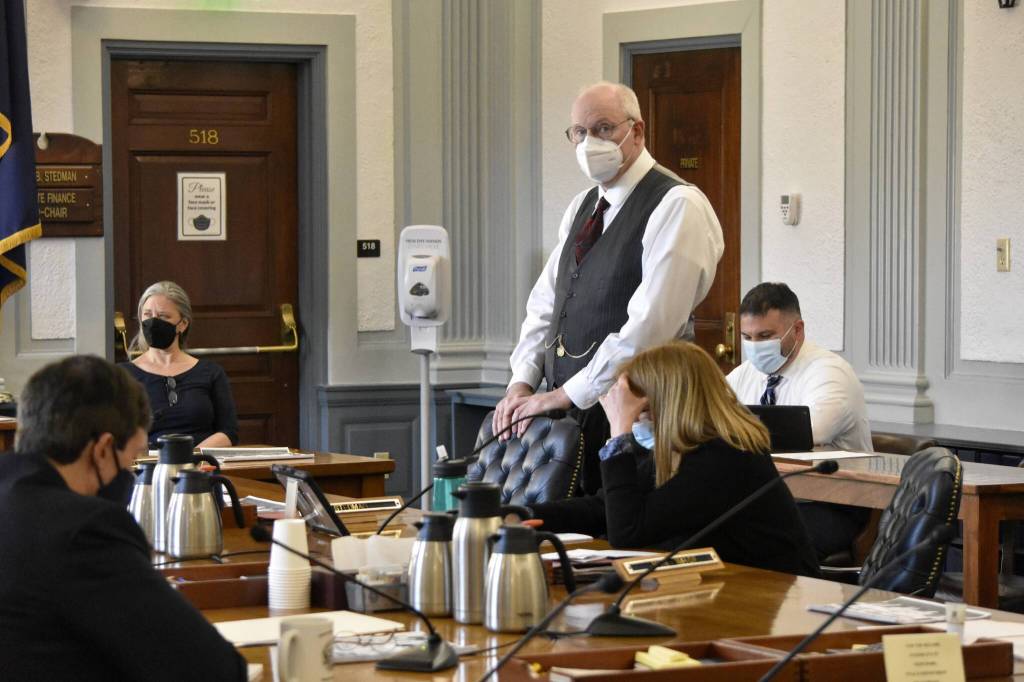
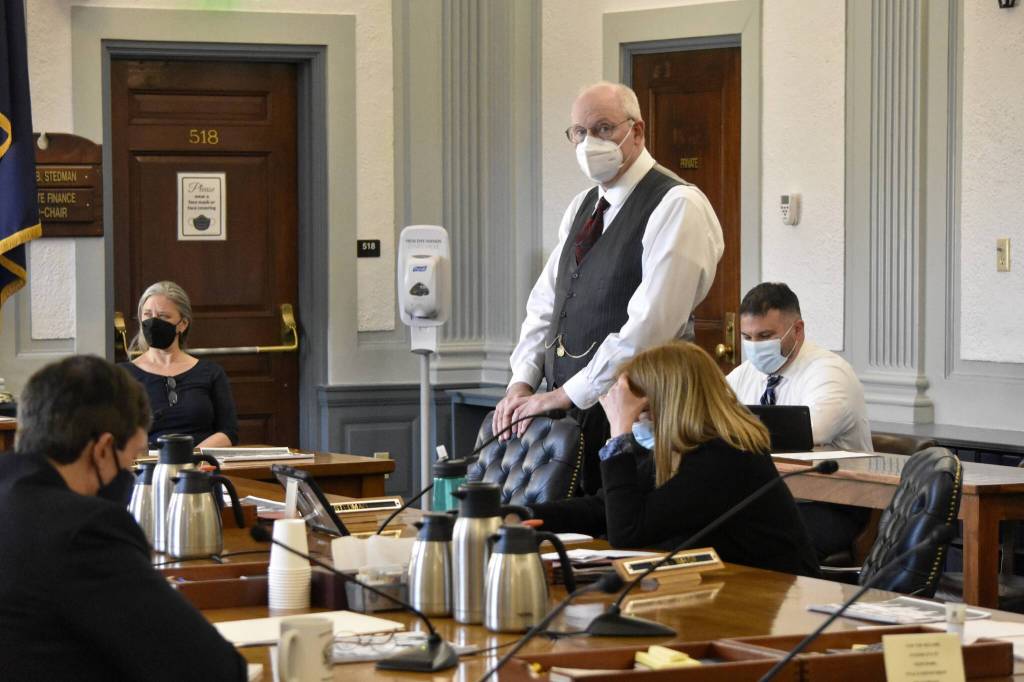


Familiar divisions over the Permanent Fund Dividend were on full display Monday as two bills proposing new formulas for the annual payment to Alaskans were heard in the Senate Finance Committee.
In public testimony, a series of callers excoriated committee members over the state’s failure to pay a PFD based on a statutory formula from the 1980s.
“I’m frustrated and disgusted,” one caller from Wasilla said.
Several callers accused lawmakers of stealing people’s money and said they would be voting to hold a constitutional convention on the November elections. Several callers used the word “disgusted” and some callers referred to lawmakers by name, calling them thieves.
Inability to agree on a change to the dividend formula has caused deep divisions in the Legislature for years. Last year, lawmakers went through four special sessions — the most in state history — and were only able to develop a loose framework of ideas for the state’s fiscal future. Many lawmakers and Gov. Mike Dunleavy — who campaigned on paying the traditional formula — have coalesced around a so-called “50-50” split, where half the percent of market value draw from the Permanent Fund goes to pay the dividend, and the rest to state services.
[Students appeal Superior Court ruling on higher education funds]
But lawmakers and the administration have been unable to agree on how to get to that split. Projections from the Legislative Finance Division show the state unable to pay for the 50-50 split without roughly $700 million in new revenues. Both bills were sponsored by the Senate Finance Committee which has considerable influence on the state’s budget.
Senate Bill 199 would pay a PFD of $1,100 in Fiscal Year 2023 increasing to $1,300 by FY2025 and growing with inflation in the following years. However, the bill has a “trigger” provision that says if the state can find $700 million in new revenues, the dividend formula changes to 50% of the POMV. SB 200 splits the POMV with 25% set aside for dividends and 75% for state services.
Dunleavy urged Alaskans to give testimony against the bills. On Twitter Monday, the governor said the bills favored the government over the people.
My position remains the same – government should never get more of Alaska’s resource wealth than the people. That is why my budget provides a PFD that Alaskans expect and deserve, paying the remaining $1,200 of last year’s PFD, and a full 50/50 PFD of $2,500 for this year.
— Governor Mike Dunleavy (@GovDunleavy) February 21, 2022
“My position remains the same – government should never get more of Alaska’s resource wealth than the people,” Dunleavy said. “That is why my budget provides a PFD that Alaskans expect and deserve, paying the remaining $1,200 of last year’s PFD, and a full 50/50 PFD of $2,500 for this year.”
The governor has recently touted the state’s finances, pointing to record-high returns from the Permanent Fund, the high price of oil and the state’s declining debt obligations.
But members of the finance committee were skeptical of the governor’s projections, noting the price of oil was likely to decline.
“Just like you don’t build a church based on attendance at Christmas and Easter,” said Sen. Natasha von Imhof, R-Anchorage. “You don’t pass a dividend based on $90 a barrel.”
Several callers and Sen. Bill Wielechowski, D-Anchorage, noted that without a constitutional amendment future legislatures would be able to bypass a PFD in the same way lawmakers currently do.
Committee Co-chair Sen. Bert Stedman, R-Sitka, noted the state has roughly $10.6 billion in statutory obligations, many of which go unfunded for years. The governor’s budget this year fully funds the state’s obligation for school bond debt reimbursement, but the lack of that funding has been a point of contention in the past.
Not all callers who testified Monday were opposed to the proposals, but the majority were. Several callers suggested further cuts to the state’s education system and other reductions of government services so the state could afford larger PFD payments.
• Contact reporter Peter Segall at psegall@juneauempire.com. Follow him on Twitter at @SegallJnuEmpire.