On the Trails: Deciduous trees in Southeast — a perspective
Published 9:30 pm Monday, June 12, 2023
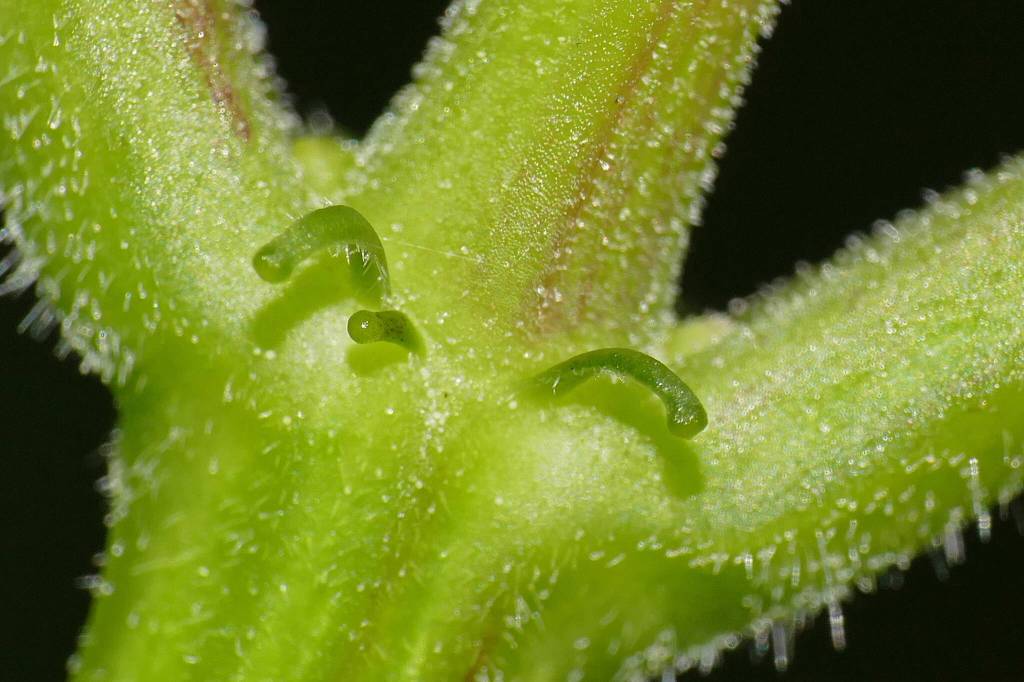
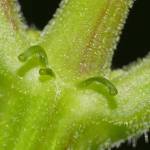
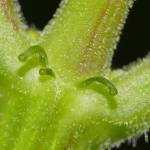

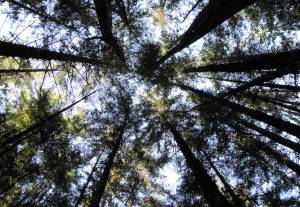
The dark foliage of conifer trees dominates much of our landscape. It gets to be a bit overwhelming at times, so I’m always glad when spring leaf-out brings fresh, bright greens of the deciduous tree leaves. Although they don’t dominate the landscape, our deciduous trees (and their shrubby relatives) bring us more than visual appeal. Good stands of leafy trees and shrubs harbor different species of nesting birds than the conifer forest — think of redstarts, Swainson’s thrushes, yellow warblers… (I’m sure the insect community differs too, but let my ignorance lead to silence on that score.)
Deciduous trees offer resources that our local conifers do not. For instance, some deciduous trees produce flowers, with nectar and pollen for bees and other visitors. Some have extrafloral nectaries (offering nectar outside the flowers) that attract insects that protect the plant from invertebrate herbivores. Some produce fleshy fruits that are eaten by birds, bears, and other vertebrates, often dispersing the seeds. All those traits are shared with lots of other species but not with our local conifers.
Here’s a mini-catalog of local, native deciduous trees and tree-like shrubs and their special features.
— Black cottonwood (Populus trichocarpa). The bark is a favorite food of beavers. Young leaves sometimes have extrafloral nectaries (this is not noted in the field guides). Bears and porcupines often climb the trees to eat male and female catkins and, later, the seed pods.
— Red alder (Alnus rubra). Along with other alders, it has root nodules that house nitrogen-fixing bacteria, capturing atmospheric nitrogen and putting it into a form that plants can use. Alders are the principal host of northern ground cone, whose underground parts are an important food for bears. Alder seeds are a popular food of redpolls and pine siskins that often forage directly on the seed cones and, in the process, shake loose other seeds that drop to the ground where many others feed on them. These birds eat other kinds of seeds also, including some conifer seeds.
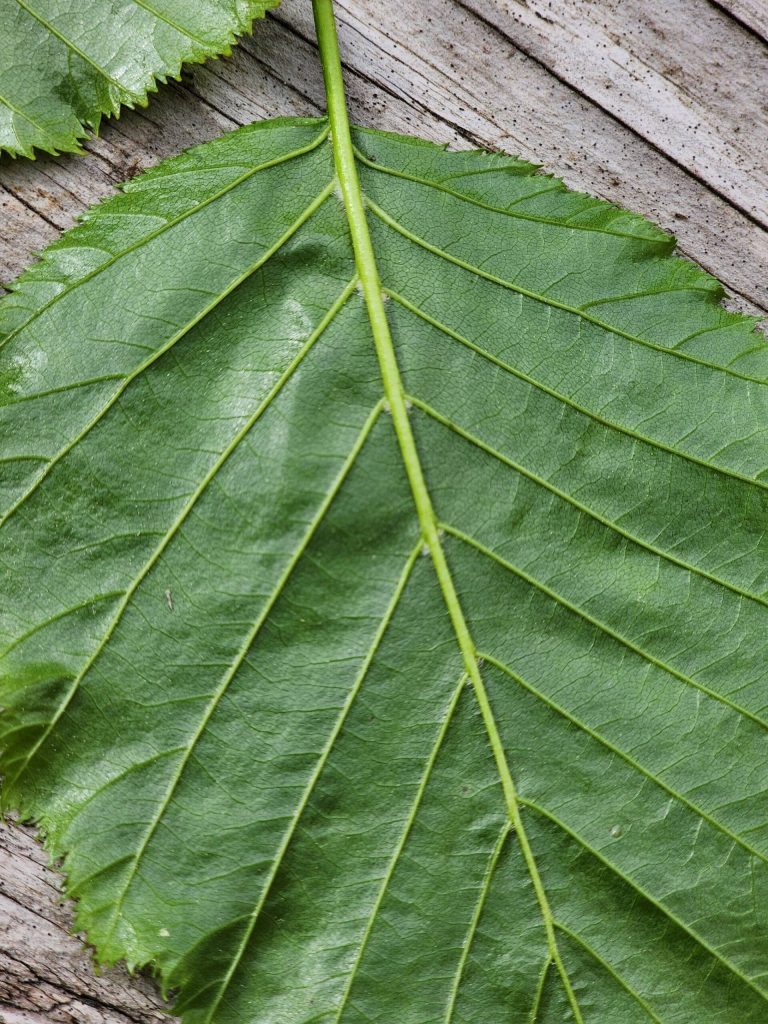
— Sitka alder (Alnus viridis or A. sinuata or other names too). This species is usually shrubby, but sometimes has the size and shape of a tree. Its leaves sometimes have an unusual feature (not reported in the field guides): on the underside of some leaves on some individuals there are tiny structures in the axils of the veins. These are called domatia (“houses” in Latin), and they are indeed houses for mites that lay eggs in these shelters and run around on the leaf surface, cleaning up fungal spores and debris. It’s a mutualism that’s very well-developed on the leaves of some oaks and maples and elms, for example, but for some reason varies a lot between branches and individuals of Sitka alder.
This tree seems to be the only one in our area with domatia. This raises interesting questions about the action of natural selection on this feature here: does selection favor this mutualism such that it will gradually increase in frequency, or are domatia and their mites of such little use that selection might favor spending less effort in constructing them and the trait will gradually disappear?
— Willows (Salix species). There are many kinds of willow, mostly shrubby, but some reach the stature of trees. Certain species are favored forage for moose and beavers, and some form galls when a small fly lays eggs on a young shoot. Sapsuckers often excavate arrays of shallow holes (sap wells) in the bark, where the fluids bearing sugary photosynthate from the leaves ooze up into the well. The sapsuckers lap up the sweet fluids from the sap wells, and so do hummingbirds. Wasps and other insects come to feed from the sap wells too and sometimes end up as sapsucker prey. Note: sapsuckers sometimes also make these arrays of sap wells on hemlocks, so this is a case that overlaps both conifer and deciduous trees.
— Western paper birch (Betula papyrifera). This species is uncommon here, occurring chiefly in major river drainages, but it is reported to be another sapsucker favorite. Birch seeds are a major food of redpolls in some areas.
— Crabapple (Malus fuscus). The wide-open flowers offer nectar and pollen to any visiting insect. The small, fleshy fruits are eaten by bears and various bird species.
— Red elderberry (Sambucus racemosa). Some individuals reach tree-like proportions. The little berries are gobbled up by many kinds of birds and by bears too. Extrafloral nectaries (not reported in the field guides) are located where the compound leaves attach to the stem.
— Sitka mountain ash (Sorbus sitchensis). It is often shrubby, but sometimes becomes a small tree. The fleshy fruits are edible to birds and bears. The non-native European mountain ash that’s planted all over town also attracts lots of birds.
— High-bush cranberry (Viburnum edule). This is another shrubby species that can become tree-like. The juicy fruits are eaten by birds and bears, and the seeds are dispersed. Pine grosbeaks pick the fruits, peel off the pulp, and eat the seeds.
— Douglas maple (Acer glabrum var. douglasii). The twigs are good browse for moose and deer, and the seeds are presumably eaten by squirrels and other critters. Some kinds of maples have lots of domatia on the leaves and other kinds have none, so I was curious about our local species. My small sample of Douglas maple (four individuals) indicates that the leaves lack domatia, but a larger sample would be helpful if the trait is variable.
Deciduous trees are a diverse lot; they clearly provide a variety of important and interesting ecological interactions that our conifer trees do not or, in some cases (edible seeds, sapsucker wells) augment the interactions with conifers. The habitats they create increase the diversity of birds that nest here. So they add complexity to local ecology and are an essential part of our local ecosystem. I suggest that perhaps their importance is proportionately greater than the amount of landscape they cover.