Not mailing it in: State’s plan is for primary to proceed as usual with modifications
Published 8:11 am Saturday, May 16, 2020
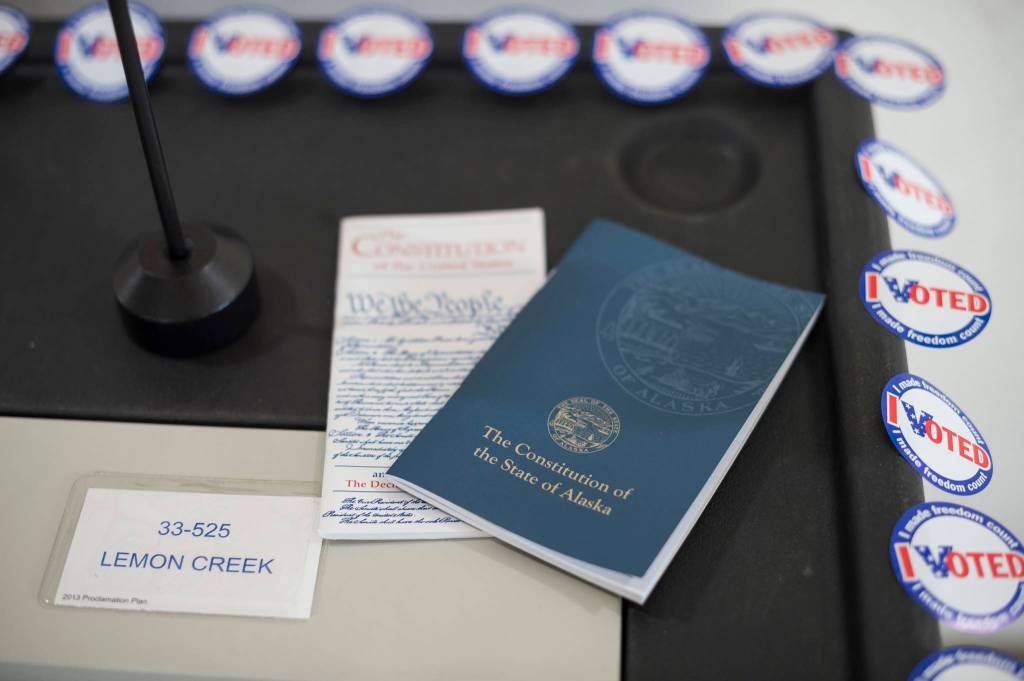
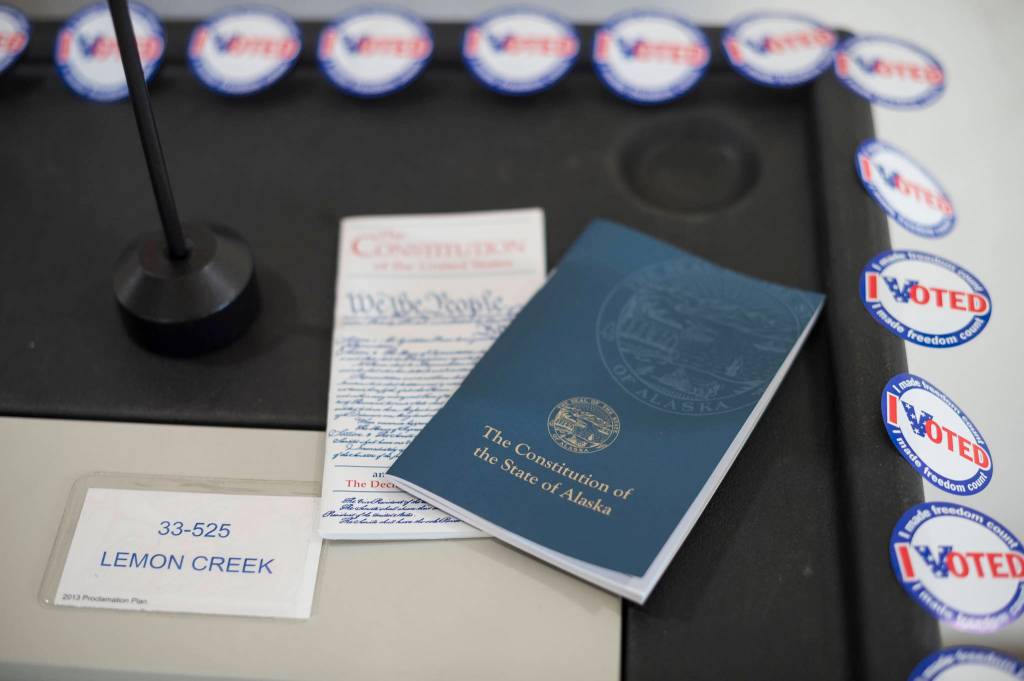
The primary election slated for August is expected to be close to business as usual, said Lt. Gov. Kevin Meyer.
Meyer said Friday at a press conference in Anchorage that an all-mail election does not seem necessary based on the number of COVID-19 cases in the state, difficulties accommodating voters who don’t speak English or have special needs and the possibility of unsecured ballots among others reasons.
“We’ve determined, the best way to go is to go with our current process,” Meyer said. “but with some modifications.”
Meyer said once a decision is made, the state has to go forward with it, so if there is a spike in cases closer to the primary, absentee and early voting will be promoted by the state to allow people to safely vote.
[Lawsuit prompts lawmakers to return to Juneau]
That’s also the plan for the November general election.
“There’s just not much time between the general and the primary to make a major shift,” Meyer said. “We would have to make and would make, safely, the method that I have proposed work for both elections.”
August ballots will include primary races for the Alaska State House of Representatives, several Alaska State Senate districts, the U.S. House of Representatives and the U.S. Senate. The Alaska Division of Election’s website lists no ballot measures scheduled for the primary election.
Meyer said and he expects Alaska’s primary to work similarly to the recent Nebraska primary.
Nebraskan voters “shattered” the state’s mail-in voting record, the Associated Press reported.
Meyer said Alaskans who want to vote from home can do so by absentee ballot. He said that system also allows the state to know which one of two ballots should be sent to the voter, which makes it easier to accommodate than an all-mail election would otherwise be.
Alaska’s closed and party-run primary system means a statewide mail-in election would necessitate sending out hundreds of thousands of ballots, and Meyer said most voters would receive two ballots.
“So, we figure there’s about 550,000 total voters and about 70% of them would be eligible for either ballot,” Meyer said. “Of course, we don’t know which ballot Alaskans want. That’s potentially 450,000 Alaskans that we would have to send two ballots to, which is about 900,000 ballots.”
He said in a typical primary election only about 30% of registered voters cast votes.
“So that’s 600,000 unsecured ballots that are either sitting in a post office, sitting on the kitchen table or in a garbage can,” Meyer said. “That’s very concerning to us to have that many unsecured ballots.”
Meyer said the state would also be promoting its early voting program. Early and in-person absentee voting begins 15 days before election day, according to the Division of Elections.
“We have over 165 different locations where people can go to vote early,” Meyer said. “At these early polling stations, we’ll do the social distancing and have the proper PPE there. Also, what we’ll have there are the machines that will translate the ballots for those who don’t speak English and those who have special needs.”
Meyer said getting a sufficient number of election workers is a concern, but the recruiting process is already underway. He also said the recent surge in unemployment across the state means there are expected to be people available to work the polls.
“We’re going to try some creative things,” Meyer said. “We’re going to work with some of the PTAs to see if they might be interested in adopting a precinct and working the polls for us. Then, the money they receive for working, they could give to their PTAs. We’re looking at all sorts of different options to recruit workers.”
The Division of Elections, Meyer said, is gathering the personal protective equipment needed to make the election safe and is confident the primary will go smoothly.
“We’re trying to balance the health and safety of Alaskans with their constitutional right to vote,” Meyer said. “While there are challenges with every election process, the challenges this year are going to be unique and very different from what we’re used to.”
• Contact Ben Hohenstatt at (907)308-4895 or bhohenstatt@juneauempire.com. Follow him on Twitter at @BenHohenstatt