Lawmakers, governor propose using $76 million in federal relief for ferries
Published 2:30 am Saturday, April 24, 2021
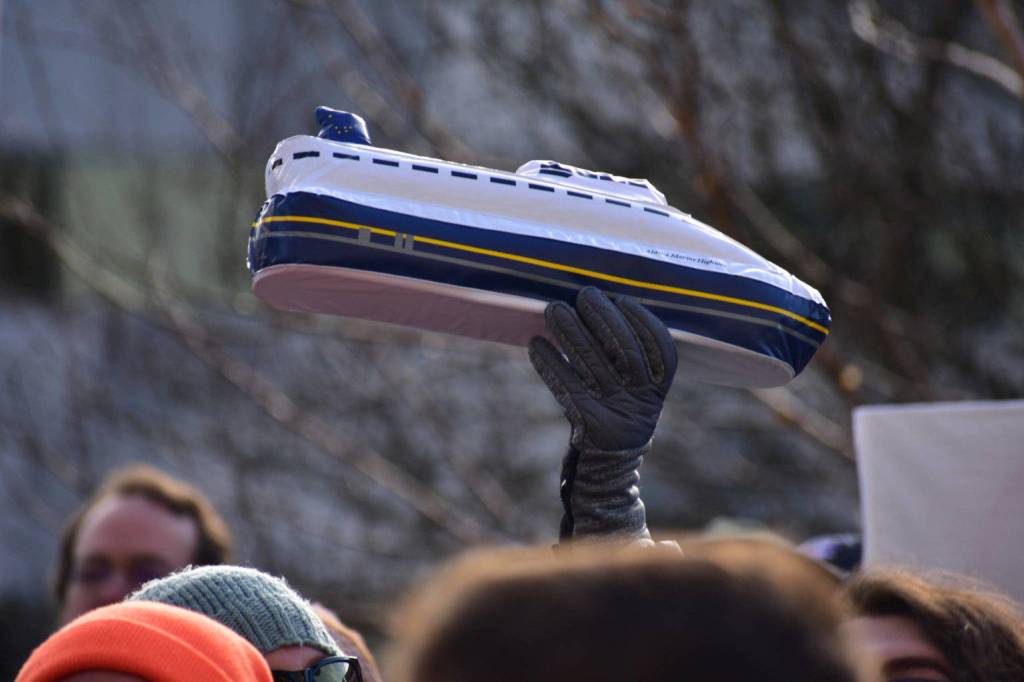
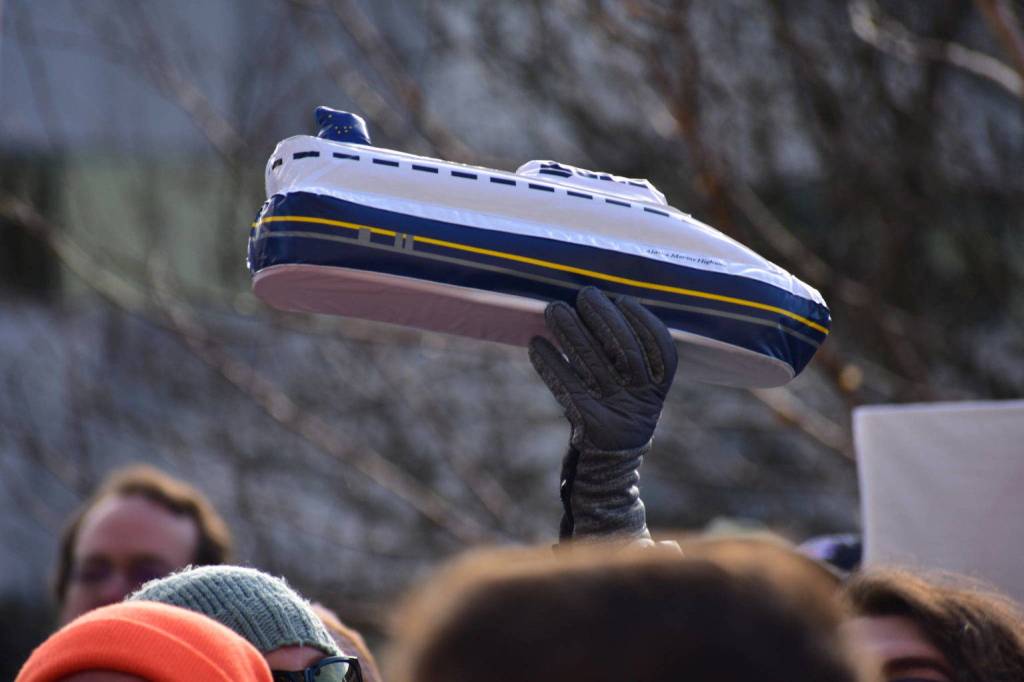


Gov. Mike Dunleavy and state Sen. Bert Stedman, R-Sitka, announced a proposal Thursday to use roughly $76.8 million in federal relief money to fund the Alaska Marine Highway System for 18 months. The funding is intended to help stabilize the ailing ferry system, Stedman said, and will hopefully help set AMHS on a long-term fiscal path.
Stedman and the governor announced the plan Thursday during a meeting with local leaders in Ketchikan, according to Dunleavy spokesperson Corey Young, who said city leaders from Saxman and Metlakatla were present as well. The proposed plan will use a mix of federal funding, mostly from the Coronavirus Response and Relief Supplemental Appropriations Act of 2021 passed late last year which provided $14 billion nationwide for transit.
Of the $76 million, $25 million will go toward six months of forward funding and $50 million will go to a one-year offset of marine highway receipts, Young said in an email. That means all of the receipts AMHS collects in the 2022 fiscal year will go into the marine highway stabilization fund which will provide stabilizing funds for 10-15 years of system sustainability, he said.
In an interview with the Empire on Friday, Stedman said the state was trying to use the state’s CRRSAA monies to backfill the ferry system’s $6 million deficit and provide funding for 18 months allowing AMHS to plan more effectively. Young said the proposal takes the money from federal grants within CRRSAA, but the entire $76 million is federal funding.
[Lack of planning hampers AMHS, lawmakers say]
“When the budget is signed, because nothing is finalized until it’s signed,” Stedman said, “it would allow (AMHS) to do next spring, summer and fall schedules in August or September. That would also then give the shipyard time to plan space availability.”
The inability to forge long-term plans and the ferry system’s budget being caught in year-to-year political battles was an issue cited by the AMHS reshaping workgroup commissioned by the governor last year. That workgroup put several proposals forward to improve AMHS, but the state did not have the funds to implement them, Stedman said.
The funding proposal isn’t being presented as a single bill, Stedman said, but the various elements of the proposal would be incorporated into both House and Senate operating bills. Stedman is co-chair of the Senate Finance Committee and has influences what goes into the operating budget, and said he hopes House members will incorporate all or most of the proposal’s elements into their bill.
Rep. Dan Ortiz, I-Ketchikan, also noted the budget was still subject to negotiations but said that in his role as chair of the House Finance Subcommittee for the Department of Transportation he had worked to commit $51 million of CRRSAA funds toward AMHS.
The House intends to use that $51 million, Ortiz said in a phone interview Friday, shortly before a Finance Committee meeting where the funding was to be discussed. Where the rest of the money will come from was still an open question, however, he said.
Both Ortiz and Stedman said though it hadn’t yet been determined exactly which sources the remaining funds would be drawn from, federal dollars would be used.
“I’m confident that the ($76.8 million) number will be achieved by the joint effort of both the House and the Senate,” Ortiz said.
Stedman said he believed the funding was a major step on the way to providing long-term stability and modernization to the ferry system. The governor’s administration has so far been supportive of the plan, he said, and lawmakers and the administration had been working in a positive way on the issue.
Supporters of the ferry system have often been critical of the governor for cuts to the ferry system, but Dunleavy’s most recent proposed budget provided flat funding to the system.
“We have always wanted to stabilize, modernize and sustain the system so that it’s not up and down one year to the next,” Dunleavy said in a statement.
Both Stedman and Ortiz said they were optimistic about the chance to use the infusion of federal money to put the ferries on stable financial ground but cautioned funds have not yet been appropriated. Still, it seems as if the federal dollars will help resolve at least some of AMHS’s issues, Stedman said.
“That’s the direction we’re going unless something derails it, the budget runs into a reef and the marine highway gets sunk along the way,” Stedman said. “But, right now, it looks like clear sailing.”
• Contact reporter Peter Segall at psegall@juneauempire.com. Follow him on Twitter at @SegallJnuEmpire.