Juneau Assembly reckons with city budget following municipal tax cuts
Published 1:30 pm Friday, November 7, 2025
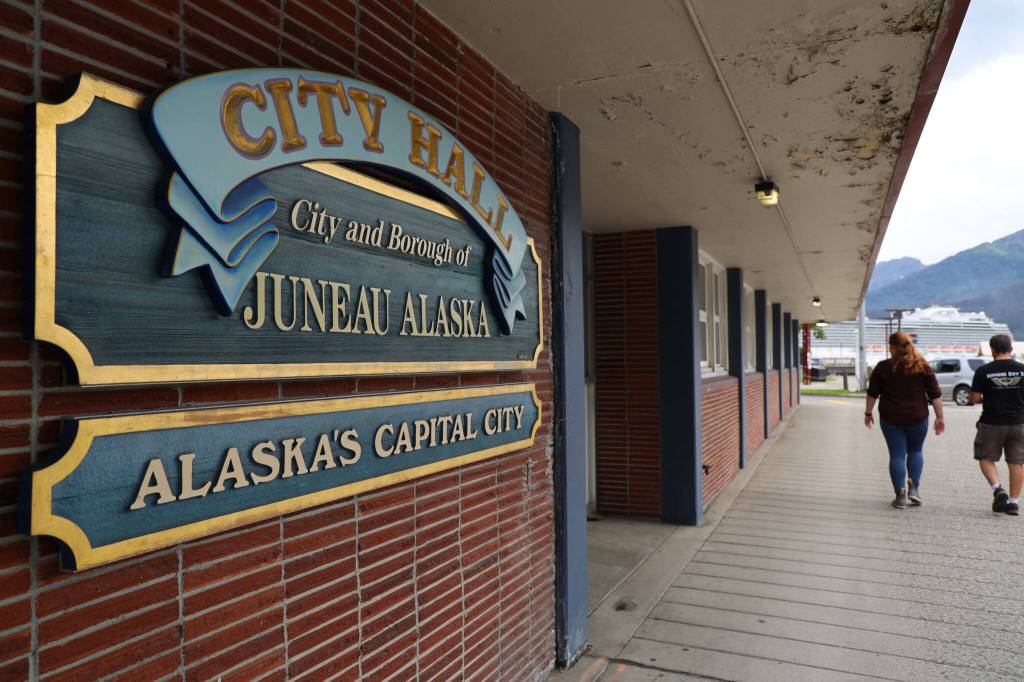


Tax cuts approved in the October municipal elections will have a multimillion-dollar impact on Juneau’s budget. The Assembly faced this reality at its finance committee meeting on Nov. 5.
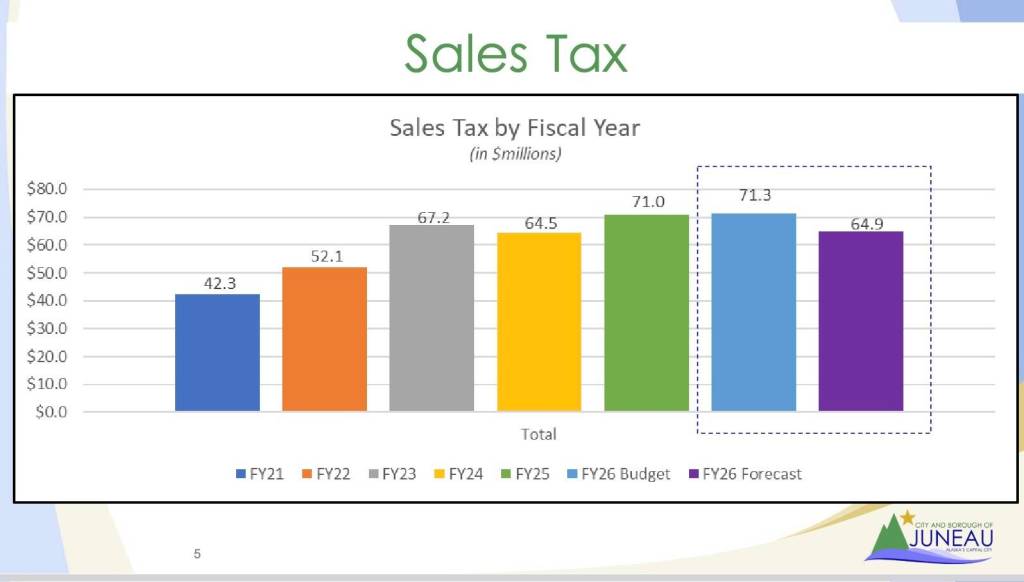
Tax exemptions for essential food and public utilities take effect at the end of the month, which the city estimates will result in an $11 million annual loss. Cuts to property tax will have no immediate impact, but are expected to reduce yearly revenue by $1 million beginning next fiscal year.
Since the current fiscal year is halfway over, the tax cuts leave the city facing an immediate $6.4 million shortfall.
The Assembly unanimously voted against any broad service reductions or formal operating budget reductions for the current fiscal year. They decided instead to use extra revenue from last fiscal year interest earnings to make up the over $6 million gap.
Angie Flick, finance director for the City and Borough of Juneau, said that using interest earnings now allows the city to take time to make “thoughtful decisions” about the reductions they will make in the future.
But the city says reductions will be needed in the coming years. Flick outlined several possible cost-saving measures for fiscal year 2027 and beyond, including city-wide cuts, hiring freezes and reductions in city services.
The revenue loss comes as expenditures are expected to rise in upcoming years. Flick cited negotiated wage increases for city employees and recurring expenses to mitigate glacial outburst floods among the factors to drive up costs.
The Assembly also voted to move forward with grant dispersals they had previously withheld in anticipation of the tax cutting ballot measures passing. They added stipulation to ask grantees to let the city know if they did not need the funds.
January through March 2026 will be the first full quarter of sales tax collection with the new exemptions in place. Tax returns and remittances aren’t due for another month, so the city expects to have a clearer picture of the cuts’ effects by mid-May.
“It is going to take a while for us to see the full impact of these exemptions and how they play out before we know what the true numbers are,” Flick said.