Health department split would hurt Alaska Natives, leaders say (updated)
Published 12:49 pm Wednesday, January 13, 2021
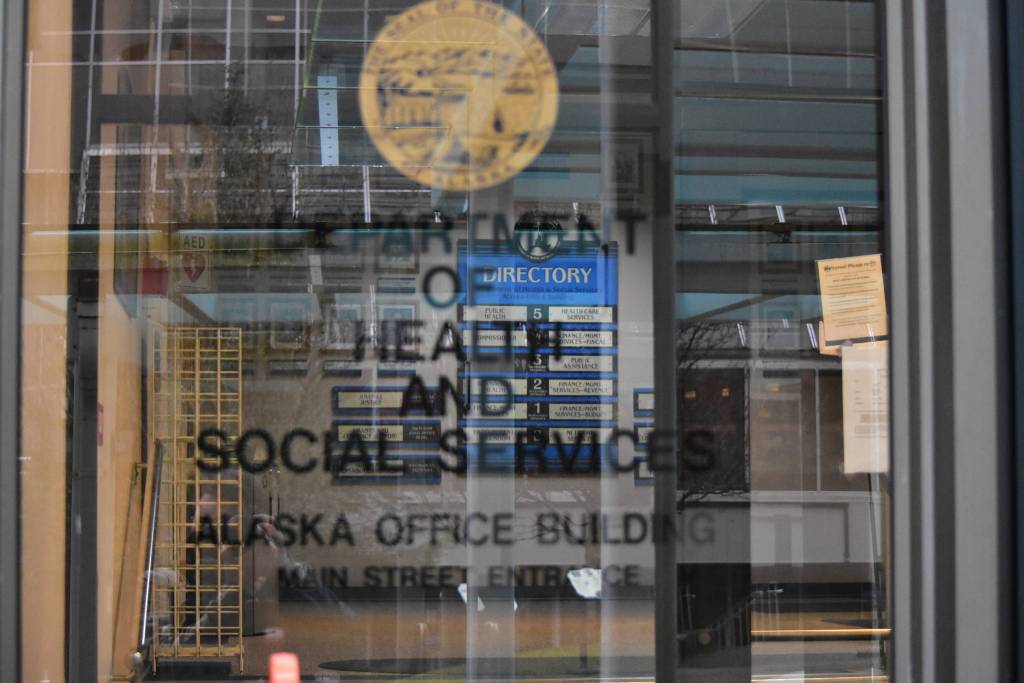
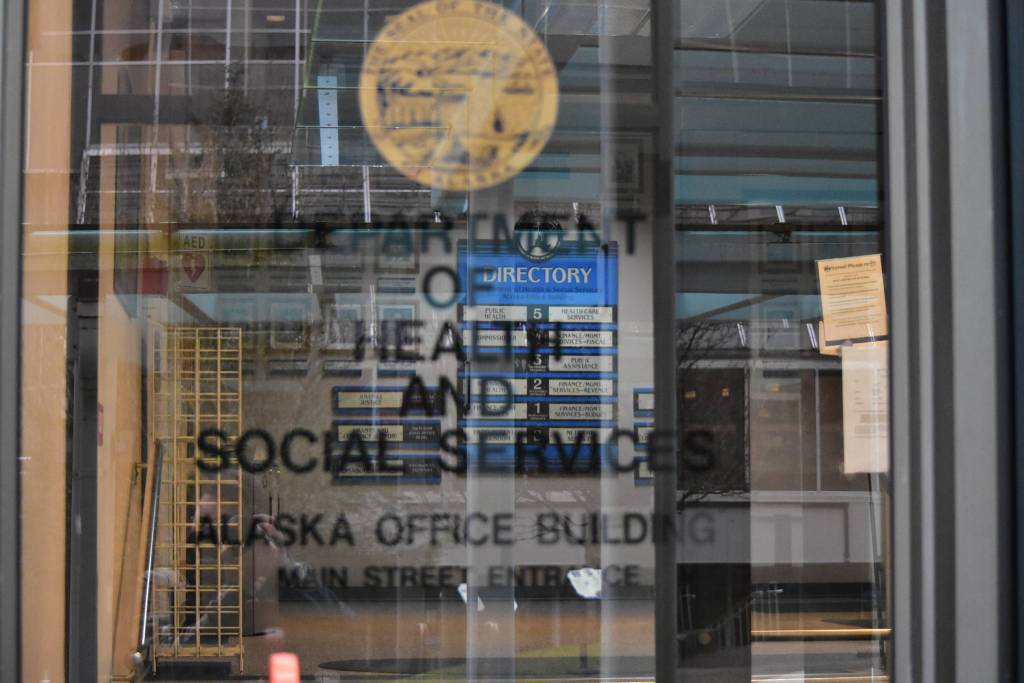


UPDATE: The Department of Health and Social Services provided a response to an Empire inquiry after the paper’s deadline Wednesday. In an email, DHSS spokesperson Clinton Bennett said the reorganization still fulfills the conditions of the 2017 child welfare compact signed between the state and certain Alaska Native tribes.
“There is no substantive change or impact to the compact with the departmental split. Other than changing the name of DHSS to the correct corresponding new Department names, all rights and responsibilities as outlined in the Compact remain unchanged,” Bennett said.
Stakeholder groups were consulted, Bennett said, and will continue to be. “DHSS has participated in stakeholder engagement and will continue to participate in stakeholder engagement. As a result of stakeholder engagement and dialogue, the department will engage in consultation with tribal welfare partners in regards to several items related to (the Office of Children’s Services). The stakeholder engagement that we have participated in has been extremely valuable and we look forward to continued engagement as this moves forward.”
The testimony given Wednesday was important, Bennett said. “We look forward to continuing to work with our stakeholders to answer questions, consider their unique point of view and concerns, and work together towards addressing these issues.”
ORIGINAL STORY:
Health care workers, social service organizations and tribal governments say Gov. Mike Dunleavy’s plan to split the Department of Health and Social Services into two organizations would have negative impacts on Alaska’s citizens.
“It is hard to discuss the bifurcation of DHSS without talking about negative impacts,” said Richard Chalyee Éesh Peterson, president of Central Council of the Tlingit and Haida Indian Tribes of Alaska, during testimony Wednesday to the state House Health and Social Services Committee.
Peterson said Tlingit and Haida has traditionally partnered with the state in the administration of social services and pointed to a 2017 agreement between the state and certain tribal governments to work toward better child welfare programs.
Peterson said he is concerned the split would make it more difficult to provide the services needed to provide adequate child welfare programs, particularly considering that the majority of children under state care are Alaska Native. Peterson said the state had not contacted Tlingit and Haida, which represents roughly 32,000 tribal citizens, in a true government-to-government relationship.
The compact was signed as an agreement between the state and tribal governments to promote mutual collaboration, Peterson said, but there had been no outreach from the state.
“We need to be part of the conversation from the beginning rather than being told what that was,” Peterson said.
[Governor proposes big change for Alaska Department of Health and Social Services]
Dunleavy announced the reorganization on Dec. 22, saying at a news conference that DHSS, as a single department, had become too large and its administration too burdensome. At that same news conference DHSS Commissioner Adam Crum said there simply wasn’t enough time to adequately address all the needs of the department.
“Any attention of one division is at the detriment of another,” Crum said at the news conference.
Lynn Biggs of Casey Family Foundation said in her testimony that several states tried reorganizing departments as a way of producing better social service outcomes. But, she said, research showed every model of providing social services comes with its own pros and cons, and better outcomes are more often produced by greater levels of collaboration.
The governor submitted an executive order that would split DHSS and create the Department of Health and the Department of Family and Community Services. But Tlingit and Haida were only made aware the proposal was coming on Dec. 18, said Mary Johnson, director of Tribal Family & Youth Services.
In an interview with the Empire, Johnson said past agreements with the state were done collaboratively between the tribal governments and state agencies. She pointed to the Transforming Child Welfare Outcomes for Alaska Native Children Strategic Plan, created in 2016, as well as the 2017 compact.
“The rationale that the commissioner’s office continued to give” at the Dec. 22 news conference “had more to do with the management of DHSS and not so much about in the best interest of serving children and families,” Johnson said. “We’ve proved it before with the strategic plan, that we could work together. The way that this happened, it’s just been a big surprise that was just told to us.”
In testimony Wednesday, Tanana Chiefs Conference Chairman P.J. Simon said while that organization was willing to work with the administration on an alternative plan to reduce bureaucracy, the current proposal would negatively affect social services.
Simons said the proposed split would produce “worse outcomes than the status quo.”
The order will be submitted in the upcoming legislative session beginning Jan. 19. Lawmakers will have 60 days to approve Dunleavy’s executive order but will not be able to make any changes. The order must be approved by a majority vote in a joint session of the Legislature, according to state law.
Other speakers who testified Wednesday were Amanda Metivier of Facing Foster Care in Alaska, Tammy Sandoval of Child Welfare Academy and Jake Metcalfe of the Alaska State Employees Association.
Rep. Tiffany Zulkosky, D-Bethel, who chairs the committee, said she invited Commissioner Crum and DHSS staff but received no reply.
The governor’s office did not immediately respond to a request for comment.
Peterson said during his testimony and in a later interview with the Empire that he believes one of the reasons Alaska Native children make up such a large portion of those in state custody is the history of systemic racism in the state.
“Why so many of our children are in state custody is a product of systemic racism that created these situations and the historic trauma (of discrimination) have brought us to where we’re at,” he said.
The state gave no evidence the reorganization would produce better outcomes, Peterson said, and with so many Alaska Natives in the state’s care, not having Alaska Natives at the table was not an option.
“We’re not willing to sit back and let them experiment,” he said. “Our families can’t afford that risk.”
• Contact reporter Peter Segall at psegall@juneauempire.com. Follow him on Twitter at @SegallJnuEmpire.