British Columbia mining standards put Alaskans at risk, experts say
Published 2:45 pm Tuesday, April 30, 2019


Correction: An earlier version of this article incorrectly stated that Jill Weitz is the executive director of Salmon State. Weitz is the campaign director of Salmon Beyond Borders. The article has been changed to reflect that.
Experts from both sides of the Alaska-British Columbia border agreed Tuesday that the British Columbia government is not preparing well enough for possible future mining disasters.
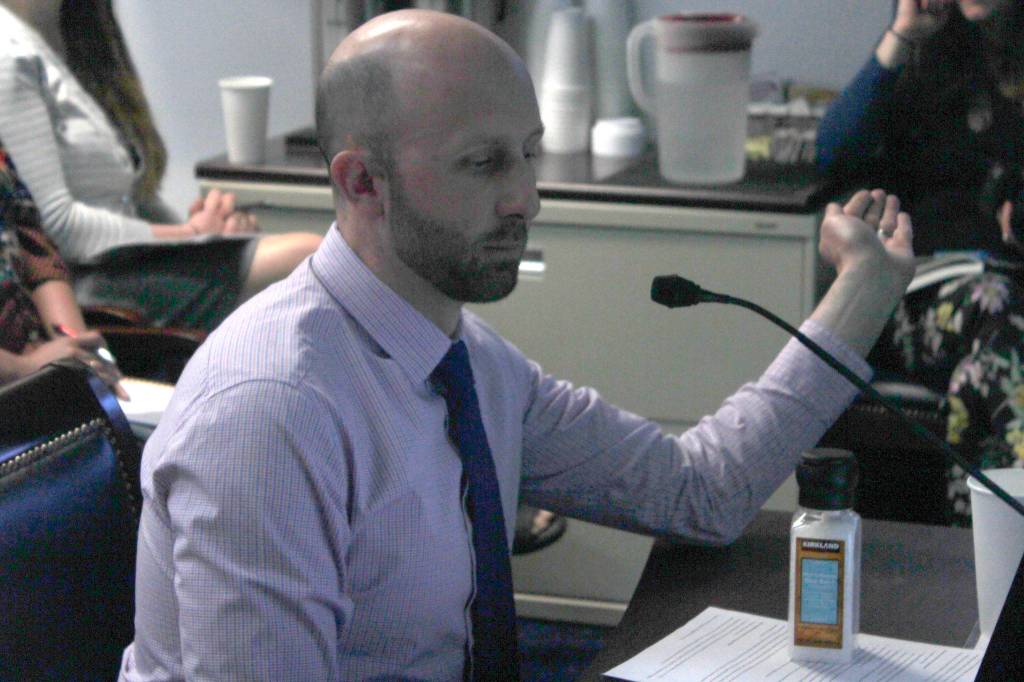
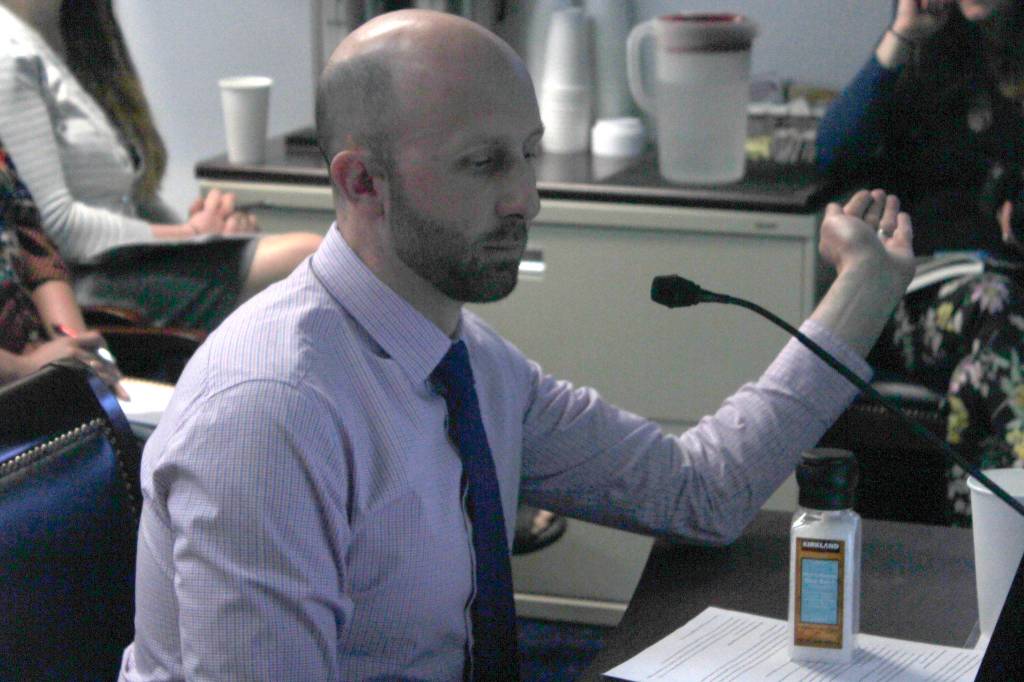
Eight people testified to the House Fisheries Committee on Tuesday at the Capitol, all of them urging including Jason Dion from Canada’s Ecofiscal Commission (an organization that looks to promote economic and environmental prosperity). Dion’s presentation centered around how the provincial government doesn’t have a financial assurance policy for mining disasters — in other words, a mining company might not have to pay for the whole cost of an environmental cleanup.
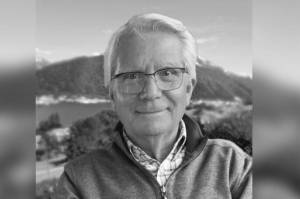
“When a company knows it might not bear all of the cost of a risk imposed or the harm it might cause, it has less of an economic incentive to reduce that risk,” Dion, who testified by phone, said. “From our perspective, that’s a really, really important shortcoming.”
For Alaska — which has more stringent mining standards than British Columbia — that’s a big deal. Chris Sergeant, a research scientist at the University of Montana who is based in Alaska, gave a presentation to the committee running through Southeast Alaska watershed statistics. The presentation stated that almost 90 percent of Southeast Alaska households use salmon in some capacity, a number that he said underscores the importance of caring for the region’s rivers.
He also showed that 19 percent of the drainage area in the Taku, Stikine and Unuk rivers’ watersheds is covered by mining claims and leases. He showed that 59 percent of the land area in the Unuk River watershed is covered by mining claims and leases.
[Scientists: Pebble Mine study doesn’t account for all risks]
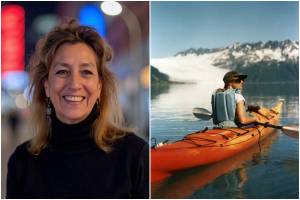
Rep. Geran Tarr, D-Anchorage, asked during the meeting why there are so many mining projects in British Columbia that have popped up in recent years. Jill Weitz, campaign director of Salmon Beyond Borders, answered her by saying the completion of the Northwest Transmission Line in 2014 brought electricity to the region of northwest British Columbia.
Weitz pointed out that only about 2,000 people live in that region of British Columbia, compared to the 75,000 people living in Southeast.
“Many folks consider that part of B.C. the middle of nowhere, where we maintain that it is the center of everything for us,” Weitz said. “So you have power generating to a very mineral-rich region and not many people there to have a voice and organize around.”
The main example used throughout Tuesday’s meeting was the Mount Polley Mine, which became well known in 2014 after the dam on its tailings pond broke and dumped years of mining waste into nearby Polley Lake and rivers in the watershed. Imperial Metals, which owns the Mount Polley Mine and others in B.C., is in dire financial straits and many environmental organizations are worried that Imperial could end up declaring bankruptcy and walking away from its mines without paying for the cleanup.
Tuesday’s hearing was set up in part because 22 Alaska lawmakers signed a letter April 9 asking Gov. Mike Dunleavy and Lt. Gov. Kevin Meyer to continue the Transboundary Working Group. The group, established by former Gov. Bill Walker and former British Columbia Premier Christy Clark in 2015, aims to transparently share information and best practices, collaborate on data gathering and research, and to discuss draft permits and authorizations.
DV.load(“https://www.documentcloud.org/documents/5976304-Transboundary-Rivers-Letter-From-Leg-to-Gov-4-9-19.js”, {
responsive: true,
container: “#DV-viewer-5976304-Transboundary-Rivers-Letter-From-Leg-to-Gov-4-9-19”
});
Transboundary Rivers Letter From Leg to Gov 4 9 19 (PDF)
Transboundary Rivers Letter From Leg to Gov 4 9 19 (Text)
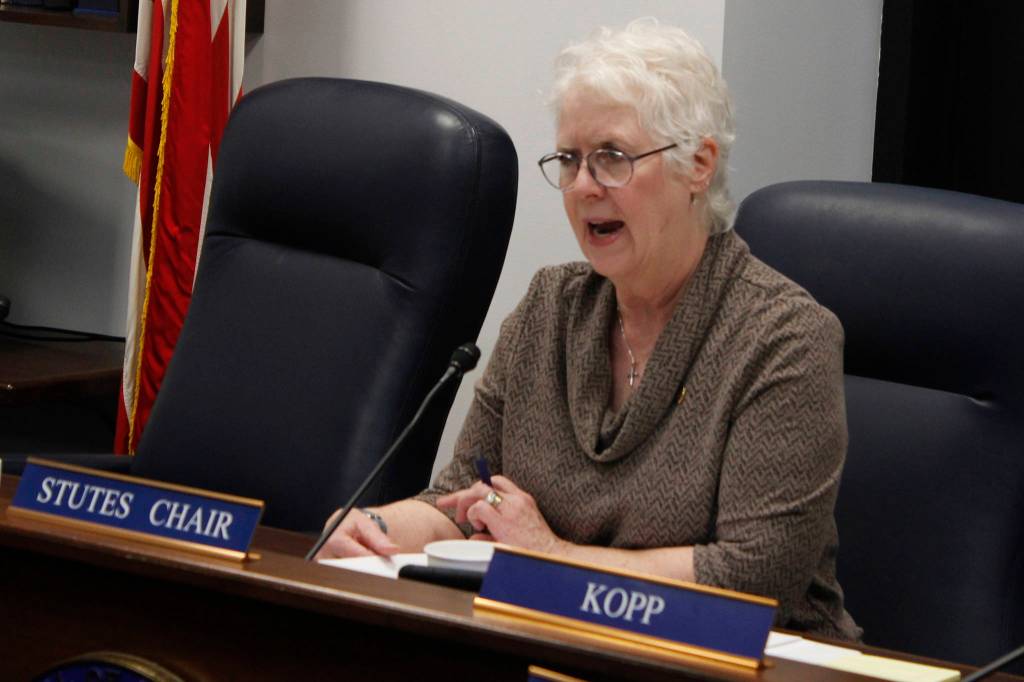
Rep. Louise Stutes, R-Kodiak and chair of the House Fisheries Committee, said at the end of Tuesday’s meeting that she’s looking to pen her own letter to the administration about this issue. The letter will carry a similar tone to the April 9 letter, asking the administration to engage with Alaskans and with the state’s congressional delegation and carry on the work of the previous administration on finding ways to protect the region’s watersheds.
She said she hopes to send it with the support of the rest of the committee. The Dunleavy administration didn’t immediately respond to an email for comment on where transboundary mining issues rank on the governor’s priority list.
“It’s not about resource development versus conservation,” Stutes said. “We are simply asking our neighbors across the border to adhere to best and safe practices in mining in our shared watersheds, which is clearly something they have a poor track record with.”
• Contact reporter Alex McCarthy at amccarthy@juneauempire.com. Follow him on Twitter at @akmccarthy.