Bear with them, they’re learning
Published 7:15 am Thursday, December 5, 2019
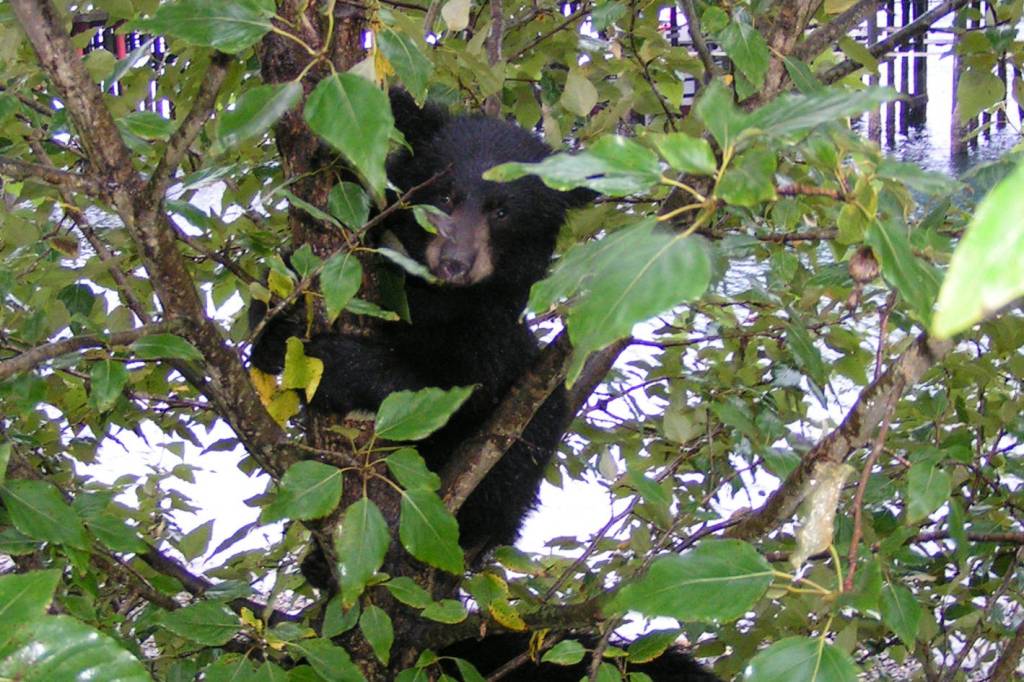
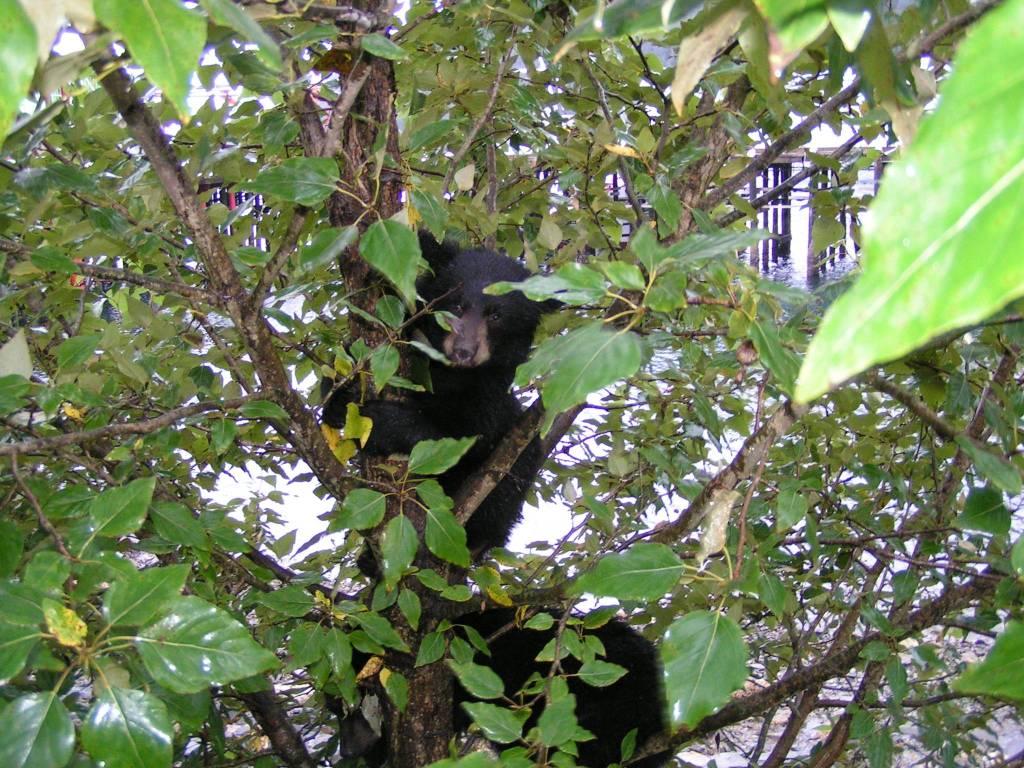
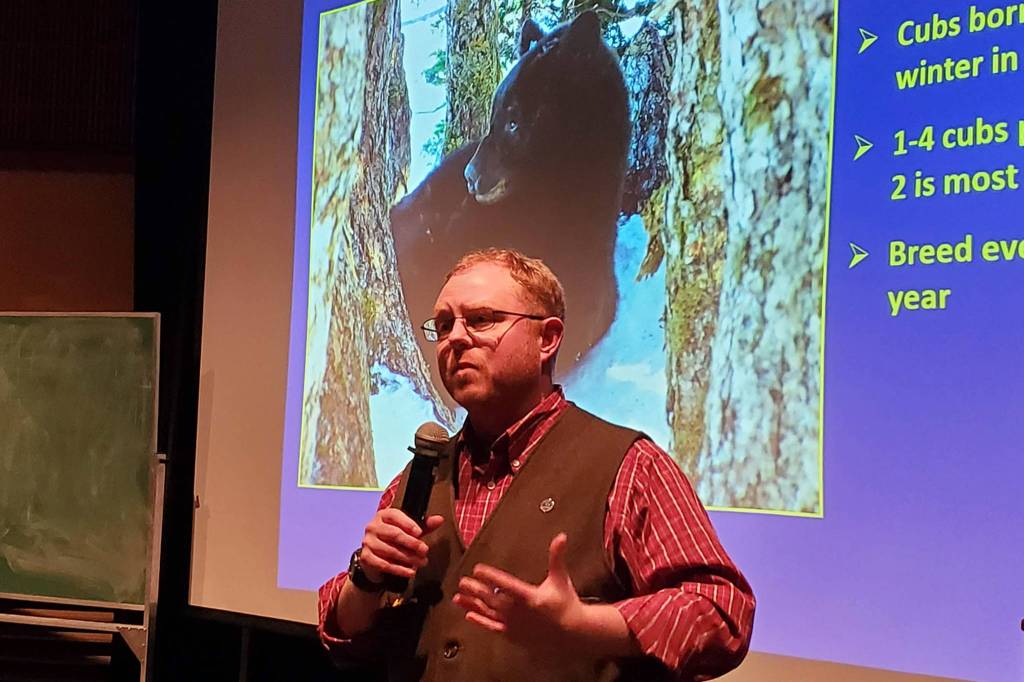

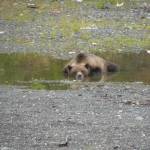
Bears making the transition from their mother’s care to independence can seem just like young people on the cusp of adulthood, said Alaska Department of Fish and Game wildlife biologist Ryan Scott.
Scott, who spoke about yearling and subadult bears as part of a Wildlife Wednesday presentation for the Alaska Wildlife Alliance, said the transitional bears are essentially still learning the foundational rules for surviving on their own. But the lessons they’re taking away are different from the ones his 18-year-old son is learning.
“Sometimes they make mistakes,” Scott said of the bears. “Sometimes they do things that don’t work at all, but by and large, they’re just feeling things out.”
[The governor, music and cookies will be present for holiday open house]
Irene Morris, president for Alaska Wildlife Alliance’s Southeast Chapter, said the talk’s topic was chosen because Scott is an excellent source and bears are a popular topic.
“We have so many bears here,” Morris said. “Every one has a story.”
Black bears in Juneau typically stay with their mothers for the first 18 months of their lives, Scott said. That means in many cases they’re tasked with surviving as wild animals fairly quickly.
“Poor little buggers, and they spend most of that time in bed,” Scott said.
Black bears and brown bears each reach sexual maturity between 3 and 6 years of age. Scott said in Juneau that figure tends to be closer to 5 years of age.
Scott said there’s not a lot of quantitative research about what bears do between separation from their mothers and birthing cubs of their own. However, he did share some survival statistics that paint a perilous picture.
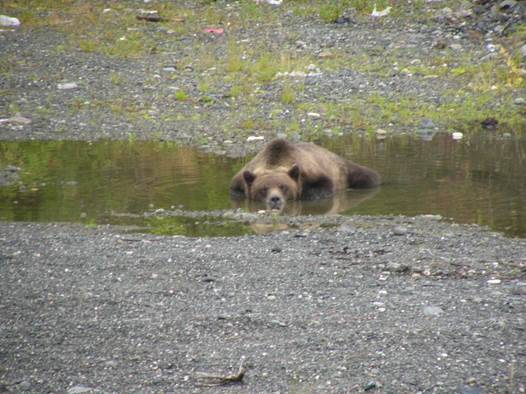
There’s about an 87% survival rate for female yearling black bears and 32-59% survival rate for male black bear yearlings, according to the Alaska Department of Fish and Game, Scott said. Brown bear data was not differentiated by gender, but Scott said there’s a 55% survival rate for brown bear cubs and 63% for yearlings.
Bear cubs are born in dens over winter, and for the next few seasons, they’re generally called cubs of the year. The next year, they’re called yearlings. Usually, that’s when the young bears are emancipated. Scott said that’s not always the case though, and some bears will spend an extra year with their mothers.
“Black bear male yearlings are busy bodies, and they get a little more pushy,” Scott said in explanation of the contrasting survival rates for males and females. “They usually will wander.”
By the time bears reach maturity, that survival rate rockets to more than 90 percent.
Scott said that’s both because the bears have learned successful strategies for survival and reached their full size.
He said since bears of that age are still figuring things out in ways that can include taking game from hunters, pillaging barbecues and other things humans would consider misbehavior, there is a common perception that transitional bears are especially dangerous.
Scott said that’s not entirely accurate. He said they are wild animals that should be respected, but they’re not willfully malicious, just animals that begin to learn lessons of survival almost immediately and continue to learn.
“Females are always teaching cubs and yearlings,” Scott said.
Depending on where in Juneau bears are living, those lessons could fluctuate between desirable and potentially disastrous. Scott gave examples of bears that had learned where there are blueberries near residences, what garbage bins aren’t stringently protected and contain food stuffs, and that the Mendenhall Glacier is largely devoid of male bears that could prey on young or female bears.
[Gallery Walk shines spotlight on longtime and first-time artists]
“They might learn some bad things, or things we perceive as bad, but they’re going to learn where to get food, they’re going to learn to survive, but they’re going to learn that early,” Scott said.
For that reason, he said the circumstances a bear is born into likely influences its ultimate odds of survival.
A bear that spends time at by the Mendenhall Glacier with its mother and returns to the area may be more likely to ultimately reach adulthood and rear its own cubs than a bear that frequents downtown Juneau.
Scott said that’s because the glacier isn’t typically home to adult male bears that may prey on the younger animals, offers sources of food and is a place humans expect to encounter a bear —surprise or unwanted interactions can end up being fatal for bears.
However, Scott had some examples of bears that are navigating areas with significant human populations fairly successfully.
Scott said he knew of a bear that had three litters of cubs in the past 13 years near the Gold Creek Flume Trail. He said the single bear had about a 3-square-mile range and caused few problems.
“She did really well, and she learned how to live around us, but she taught all those cubs,” Scott said. “Now, though there could be upward of six bears bombing around that area.”
Whether that’s good or bad is ultimately more of a social judgment call than a biological one, Scott said, but survival lessons, the circumstances they were born into and luck will ultimately factor into what happens to those bears.
“It sounds a lot like us, doesn’t it?” Scott asked.
• Contact reporter Ben Hohenstatt at (907)523-2243 or bhohenstatt@juneauempire.com. Follow him on Twitter at @BenHohenstatt