Arctic Council continues to work on Alaska environmental issues, with or without Trump support
Published 9:01 am Sunday, March 12, 2017
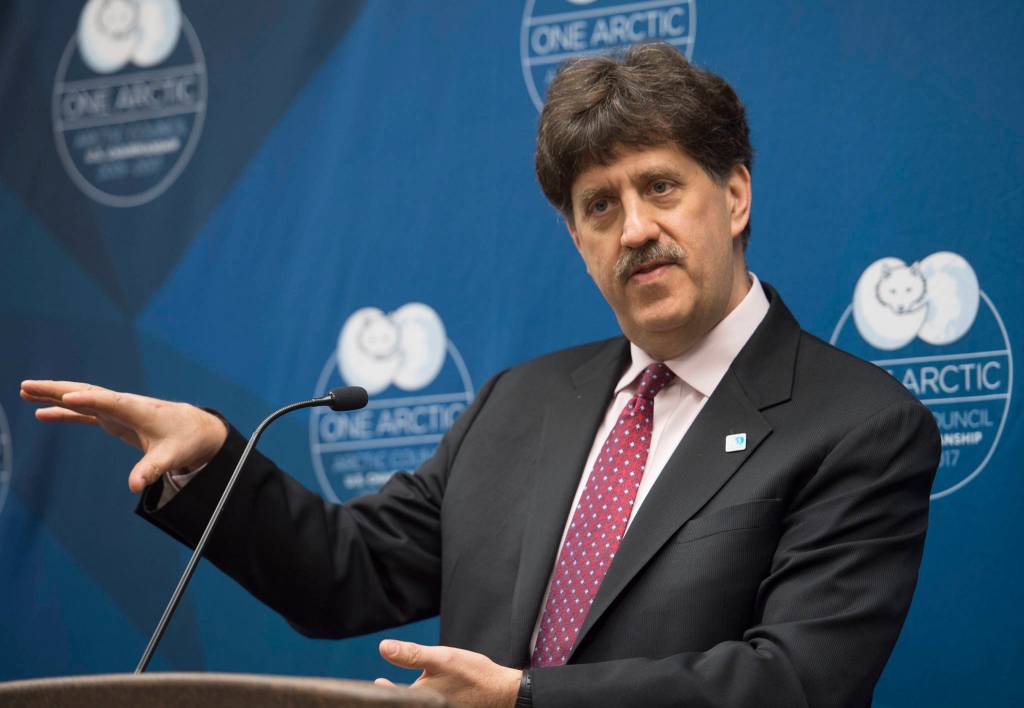
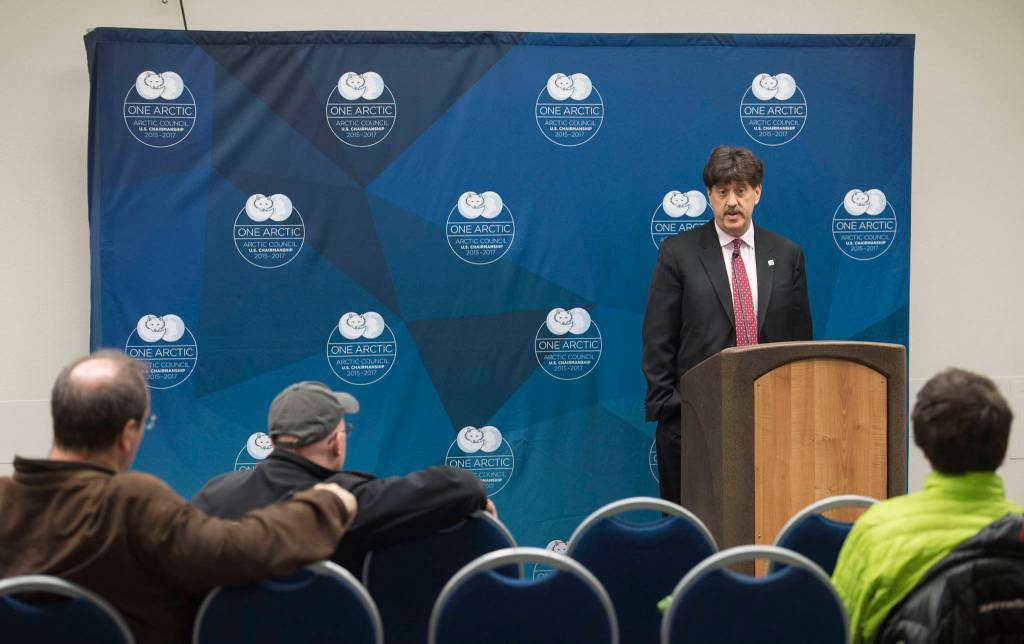


David Balton smirked as the Trump questions came.
The Chair of the Senior Arctic Officials and U.S. Ambassador was fielding questions from media members Friday to wrap up this week’s Arctic Council meeting in Juneau. Inevitably, both those physically in attendance and those asking questions via email posed questions to Balton about the current presidential administration and its views toward environmental issues, which are at the center of the council’s goals.
Balton kept his answers polite and political, as he’s still uncertain what President Donald Trump and his administration will do as it relates to Arctic policy. With Alaska being the sole U.S. state in the Arctic, those on hand were curious about how the views of his administration might affect the country’s participation in the council.
“I think it’s fair to say that there has been no fundamental change in the way the U.S. is participating in the Arctic Council yet,” Balton said. “This administration, like past administrations, may wish to put its own stamp on U.S. Arctic policy. That may occur at some point in the coming time, but it has not happened yet.”
When asked about Trump’s possible policies, Balton referred to the progression of past U.S. presidents. Balton pointed out that since the U.S. Policy on the Arctic and Antarctic Regions under Bill Clinton, there has been very little big-picture change in U.S. Arctic policy. After witnessing this trend, Balton said he isn’t overly concerned about American policy toward the Arctic.
“What all these documents have in common is more important than what separates them,” Balton said of recent U.S. Arctic policies. “Yes, there have been changes in emphasis, but the real interests of the United States in the Arctic have very much to do with the state of Alaska and its needs and interests, and keeping the Arctic a peaceful and stable place is certainly a nonpartisan issue in the United States.”
This week’s meeting, which included the Senior Arctic Officials preparing for the annual Arctic Council Ministerial meeting in Fairbanks this May, focused on environmental and socioeconomic issues shared by the eight Arctic nations represented. This year wraps up the U.S. Chairmanship, and the U.S. will pass that title on to Finland in May.
There was a mutual excitement about the meetings being held in Alaska this year, with Juneau serving as an Arctic Council host for the first time. The council worked on a report about marine biodiversity, which will be unveiled at the meeting in May. Balton spoke about some of the biggest hot-button environmental issues facing Alaska, including the effect of black carbon emissions and rising ocean acidity.
Balton expressed great concern about the issues, both of which have an effect on the marine biodiversity that the representatives discussed. He pointed out that the Arctic Council has been able to involve neighboring countries in working to inventory and reduce black carbon emissions. Black carbon is formed by the burning of fossil fuels, and its presence in snow and ice makes the surface more prone to absorbing heat, which accelerates the warming of the climate.
Though there wasn’t a presentation at this meeting about the rising acidity levels in oceans, Balton acknowledged that it’s an important issue that will almost certainly come up at May’s meeting in Fairbanks. This is another problem caused by carbon emissions, as carbon absorbed into the oceans lowers the ph and raises the acidity level, which is harmful to ocean plants and animals.
With problems such as these, the Arctic Council still has its work cut out for it moving forward. Balton also hopes to have a strategic plan done in the next two years that maps out the council’s long-term goals.
Though Balton hopes to have U.S. Secretary of State Rex Tillerson in attendance at the Ministerial meeting in May, he said the council can carry on with or without support from the presidential administration. The unity of the Arctic states tends to carry on despite outside situations, Balton said.
“There are geopolitical tensions that relate to issues in other parts of the world, but in the Arctic, the eight Arctic states have a long history of cooperation and I have not seen that diminish. We’re facing a common set of problems. Those problems are mostly socioeconomic and environmental, and we’re working together to solve them.”
• Contact reporter Alex McCarthy at 523-2271 or alex.mccarthy@juneauempire.com