An Alaska Native mutual aid network tackles the climate crisis
Published 9:30 pm Wednesday, January 10, 2024
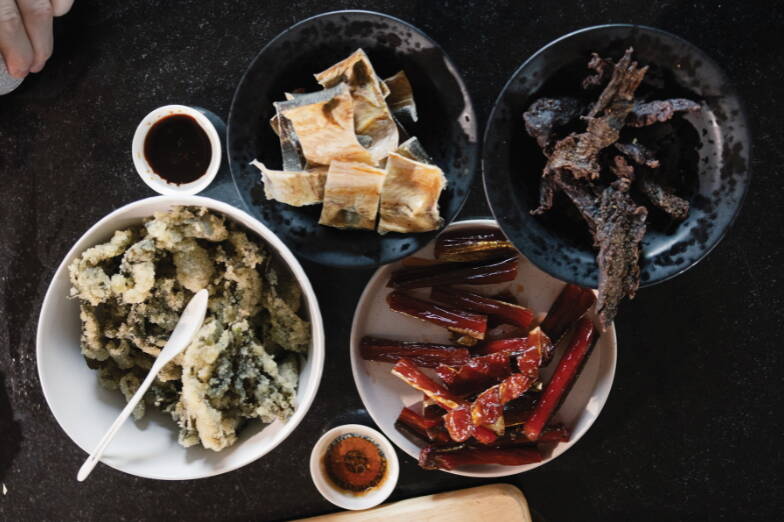
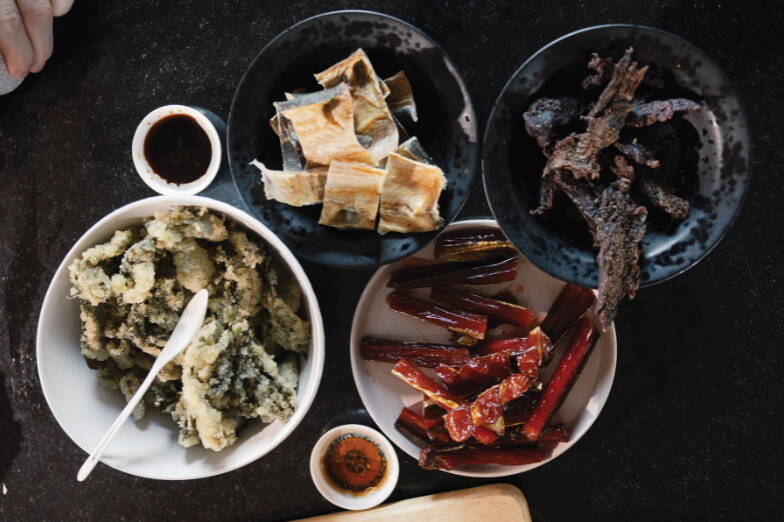

The Arctic is warming twice as fast as the rest of the planet, according to the National Oceanic and Atmospheric Administration, with dire effects. In September 2022, remnants of Typhoon Merbok damaged more than 35 communities along 1,300 miles of Alaska’s west coast, destroying food, fishing gear and camps that had been used for subsistence harvesting for generations.
In addition, warmer water temperatures are contributing to low numbers of fish in the once-bountiful Yukon and Kuskokwim rivers, resulting in closures or severe limits on fishing. The loss of this food source and the income from commercial fishing is a double whammy that disproportionately affects Alaska Native communities.
Yet the Bristol Bay region, the world’s most productive sockeye salmon fishery, saw a massive return — 54.5 million fish — in 2023. Ruth Łchav’aya K’isen Miller (Dena’ina Athabaskan and a member of the Curyung Tribe), co-founder and co-director of the Smokehouse Collective, a new mutual aid network across Alaska, sees the bay’s abundance as a boon that is “meant to be shared.”
Instead, “most of that fish is going to elite markets in the Lower 48 and in different countries,” said Deenaalee Chase-Hodgdon (Deg Hit’an Dene and Sugpiaq), the collective’s co-founder and co-director. “Meanwhile, here in Alaska, folks are not able to fill their freezers with fish.”
In response to the climate crisis, the collective aims to turn this economic system on its head by creating a gathering place and network for Alaska Natives to harvest, preserve — and give away — salmon and other traditional foods. Miller and Chase-Hodgdon have a radical vision: To reinvigorate ancient Indigenous trade practices as a means to redistribute wealth, return land and water in Alaska to Indigenous stewardship, and show that a healthy economy and clean environment can coexist.
Climate-related disasters threaten culture, language and lifeways as well as traditional foods. “(The collective) is not going to put more fish in the Yukon River,” said Miller. “We have to hold the grief and the trauma of this time as Native peoples, and the fear that all of us feel of what might come to our ecosystems and to our cultures.”
Given that reality, the Smokehouse Collective arose out of a need for food security rooted in Indigenous sovereignty. Chase-Hodgdon said that people living in areas short of fish are missing not just a necessary food source, but the experience of harvesting and preserving, too. “People are really craving being able to put that net in the water, to be able to get the fish out of the water, to be able to do everything that it takes to participate in the holistic harvesting of salmon,” they said.
“We want to make sure that we as (Indigenous people) have networks in place to support our communities,” Miller said. It’s an investment in “our resilience as Native peoples to persevere in our cultures despite the global impacts we’re facing.”
Following fundraising that began in May, the collective bought a portable fish-processing plant and is purchasing land for it in Dillingham, on Bristol Bay. The plan is to build a smokehouse by summer. Miller said the collective also hopes to grow produce, and harvest moose, caribou and berries, so that it can trade across regions to provide healthy, sustainable, traditional foods to communities.
Miller credits the collective’s early successes to its collaboration with both Native and non-Native allies, including fishermen who were willing to donate part of their catch and local airlines and pilots ready to distribute it to villages in need. “So much of what the Smokehouse Collective will be investing in the coming year is actually just bringing together a network that has already been quietly growing in the region,” she said. In expanding that network, Smokehouse is led by the values of Alaska Native peoples. “We are not just checking with our hearts and guts and spirits, but we’re in communication with our elders and our aunties and our uncles and the folks who are out on the water every day.”
Dewey Kk’ołeyo Hoffman (Koyukon Athabascan), a board member, believes building economies based on caring for future generations is important: Every summer, he takes his young daughter to his home village on the Yukon River in Interior Alaska, even though they can’t fish there, and the fish camps and smokehouses are empty.
He envisions Smokehouse creating an opportunity for kids to work on fish, be with family, and rebuild trade networks and kinship ties. “As Athabascan people, we had routes and networks of bringing different food and objects all across trails, and those relationships are thousands of years strong.” The Smokehouse Collective is a way, he said, for Indigenous people to link arms and “bring in Indigenous-led efforts to again protect the lands and waters and also continue our ways of life.”
• Emily Sullivan is a photographer and writer focused on outdoor recreation, community and environmental wellness, and the human experience. Emily lives on Dena’ina lands in Anchorage.This article was originally published by High Country News.