Alaska Supreme Court bars police zoom-lens aerial photos of residents’ lawns without warrants
Published 9:30 pm Friday, March 8, 2024
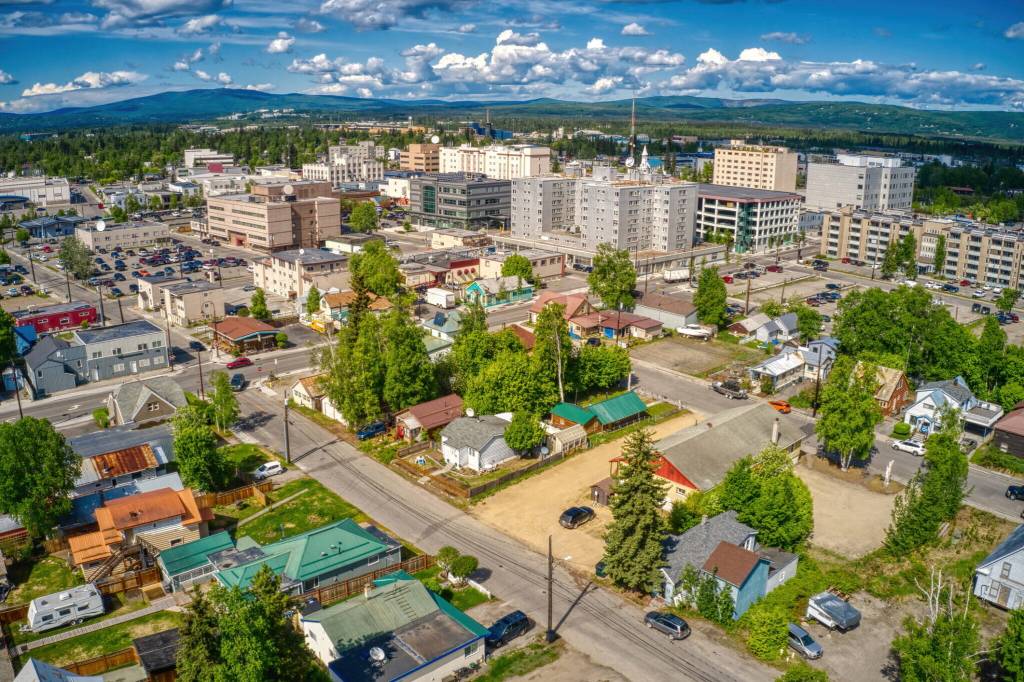
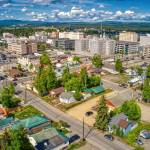
Police in Alaska must get warrants before taking photos of residents’ yards with a zoom lens while flying in an airplane, the state Supreme Court ruled on Friday.
The opinion stems from an appeal by John William McKelvey III, who was convicted of possession of methamphetamine and possession of a gun in connection with a drug crime after state troopers flew over his property just north of Fairbanks in 2012, and photographed it using a high-powered zoom lens. Police then used the photos of five-gallon buckets containing unidentified plants, as well as a tip that McKelvey had marijuana plants, to get a warrant to search his property.
In a decision written by Justice Dario Borgesan, the court found that the practice of using a zoom lens to photograph from the air Alaskans’ “curtilage” – a legal term for the area around a house, such as a yard – was not consistent “with the aims of a free and open society.” It likened the practice to allowing warrantless recordings of phone calls or searching garbage without reasonable suspicion that a crime had been committed.
“Aerial observation with the aid of a zoom lens might capture, for example, an unflattering photo of a person in a swimsuit, images of a person practicing a silly dance with their children, or expressions of religious devotion that one might not wish others to see,” according to the ruling. “The mere knowledge that the government could make these kinds of detailed observations without a warrant may discourage Alaskans from using their curtilage to live their private lives.”
The Department of Law argued that it wouldn’t be “unduly chilling” to allow the aerial photography, in part because of the large amount of flying in Alaska, which allows many people to regularly see what’s in people’s yards from above.
The court rejected the argument.
“People train their cameras and binoculars on Alaska’s majestic scenery and wildlife,” Borgesan wrote. “There is no reason to think they are focused on the bleached garden boxes, tangled fishing nets, and parted-out snowmachines lying next to people’s homes.”
The state also argued that the unobtrusiveness of the flight was a point in favor of allowing the practice.
“Obtrusive aerial surveillance — like a helicopter hovering directly above one’s home for 10 minutes — would certainly be chilling,” according to the decision. “But the knowledge that police may discretely surveil you from the air without your even noticing it is equally chilling to one’s sense of privacy.”
And the court also rejected a state argument that the widespread use of zoom-lens cameras was a factor against whether McKelvey’s expectation of privacy was well-founded.
“If it is not a search when the police make observations using technology that is commercially available, then the constitutional protection against unreasonable searches will shrink as technology advances,” Borgesan wrote, noting a potential future use of drones. Drone use by police and others is currently limited by state law.
Chief Justice Peter Maassen and Justice Susan Carney joined Borgesan’s decision, but Maassen wrote a separate decision, joined by Carney, that said the court should have gone further. Maassen wrote that warrants should be required for any aerial surveillance, not just for the use of zoom-lens photography.
“I would hold simply that Alaskans’ reasonable expectation of privacy in the home and curtilage protects them from targeted surveillance from the air, and law enforcement officers must therefore obtain a warrant before conducting such a search with or without technological enhancements,” Maassen wrote.
None of the five justices who heard the cases dissented from Borgesan’s opinion.
A Department of Public Safety spokesperson said the department doesn’t believe the ruling will impact its aerial imaging programs, including its use of drones.
“DPS has had a small drone program in place for nearly 5 years and since day 1, we have operated under the same confines as today’s Supreme Court ruling outlined,” wrote Austin McDaniel, department communications director, in an email. “The Alaska State Troopers take the privacy of Alaskans seriously as we work to deploy new and emerging technology such as drones into our tool kit.”
McDaniel said drones are primarily used in search and rescue and to document crime scenes.
• Andrew Kitchenman has covered state government in Alaska since 2016, serving as the Capitol reporter for Alaska Public Media and KTOO before joining the Alaska Beacon. Before this, he covered state and local governments on the East Coast – primarily in New Jersey – for more than 15 years. This story originally appeared at alaskabeacon.com. Alaska Beacon, an affiliate of States Newsroom, is an independent, nonpartisan news organization focused on connecting Alaskans to their state government.