Alaska State Legislature convenes for second year of 34th session
Published 4:00 pm Tuesday, January 20, 2026
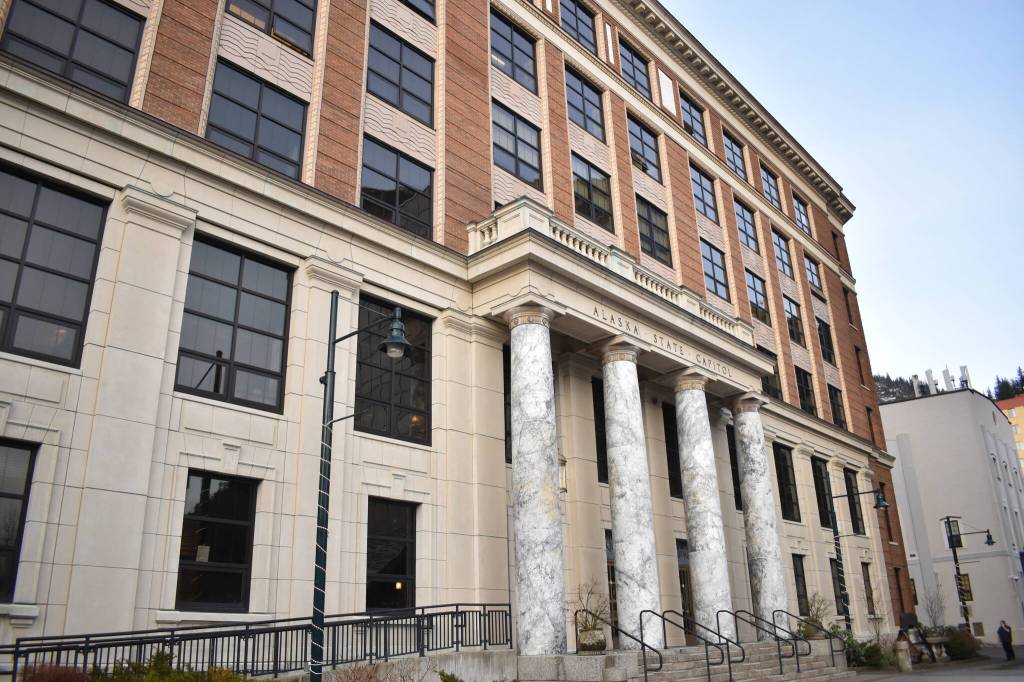
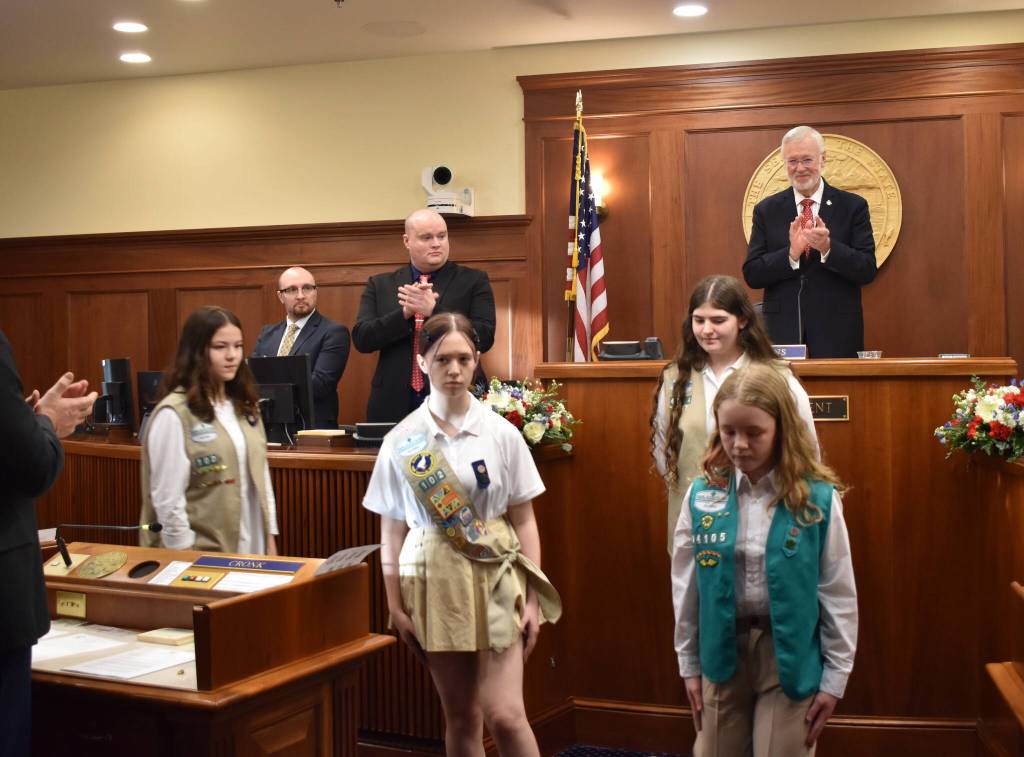
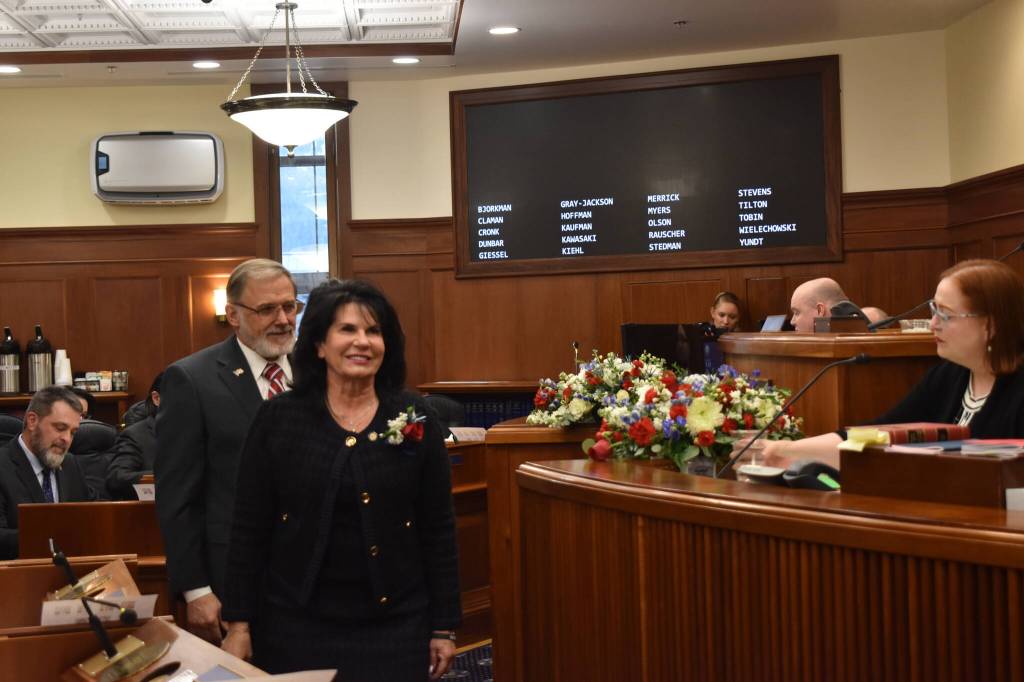

The Alaska State Legislature convened Tuesday, Jan. 20, kicking off the second year of its 34th legislative session.
Lawmakers agreed to hold two joint sessions later this week, both pertaining to policy and public announcements by Gov. Mike Dunleavy. The decisions took place amid the ceremonies of the opening day.
Lawmakers met in a joint session at 9 a.m. Thursday, voting to sustain Dunleavy’s veto of Senate Bill 113. 35 voted to overturn the veto, while 25 voted to sustain it, falling 10 votes short of a successful override.
The bill would have established a corporate income tax on companies that do business online in Alaska but do not have a physical presence in the state.
SB 113 passed the Legislature last year but was vetoed by Dunleavy in September. The Department of Revenue estimates the measure could generate between $25 million and $65 million annually if enacted.
Thursday evening, at 7 p.m., the House and Senate will reconvene for a joint session to hear Dunleavy’s State of the State address.
Both legislative bodies were fully present Tuesday, with all 20 senators and all 40 members of the House attending floor sessions held early in the afternoon under clear skies in Juneau.
“Now that all the politicians are here, the fog has lifted — apparently we’re talking enough,” said Rep. Sara Hannan, D-Juneau, during the House floor session.
The second year of the session includes several new faces in both chambers.
In the Senate, George Rauscher, R-Sutton, and Cathy Tilton, R-Wasilla, were appointed by the governor and sworn in on Nov. 29 to fill vacancies left by the resignations of Sen. Mike Shower and Sen. Shelley Hughes.
Their appointments created corresponding vacancies in the House, which were filled by Rep. Steve St. Clair, R-Wasilla, and Rep. Garrett Nelson, R-Sutton.
During Tuesday’s floor sessions, both chambers also formally received a series of messages from the governor outlining disaster declarations issued over the past several months.
The declarations covered a range of emergencies, including responding to damage from Typhoon Halong, wildfire suppression costs, disruptions to the federal Supplemental Nutrition Assistance Program and recent storms across Southeast Alaska.
The messages formally notify lawmakers of the emergency declarations, and begin the process of reviewing how the finance committees will budget for the responses.
This story has been updated since its original version to include the outcome of the vote on the veto override of SB 113.