Alaska state employees rally for more pay and benefits on same day mass federal firings occur
Published 9:30 pm Thursday, February 13, 2025

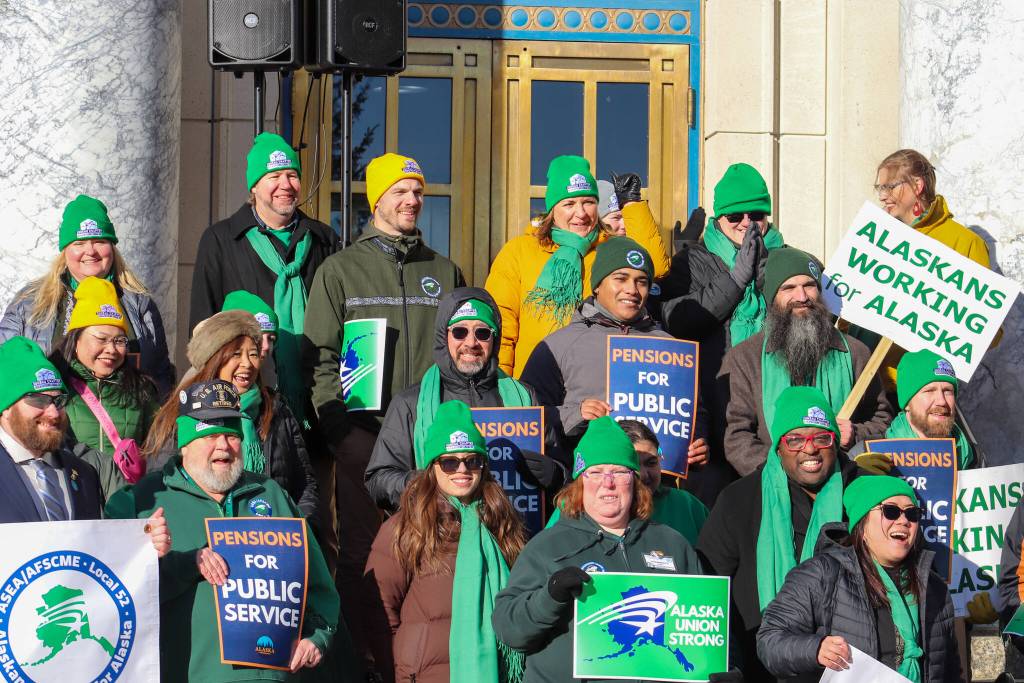
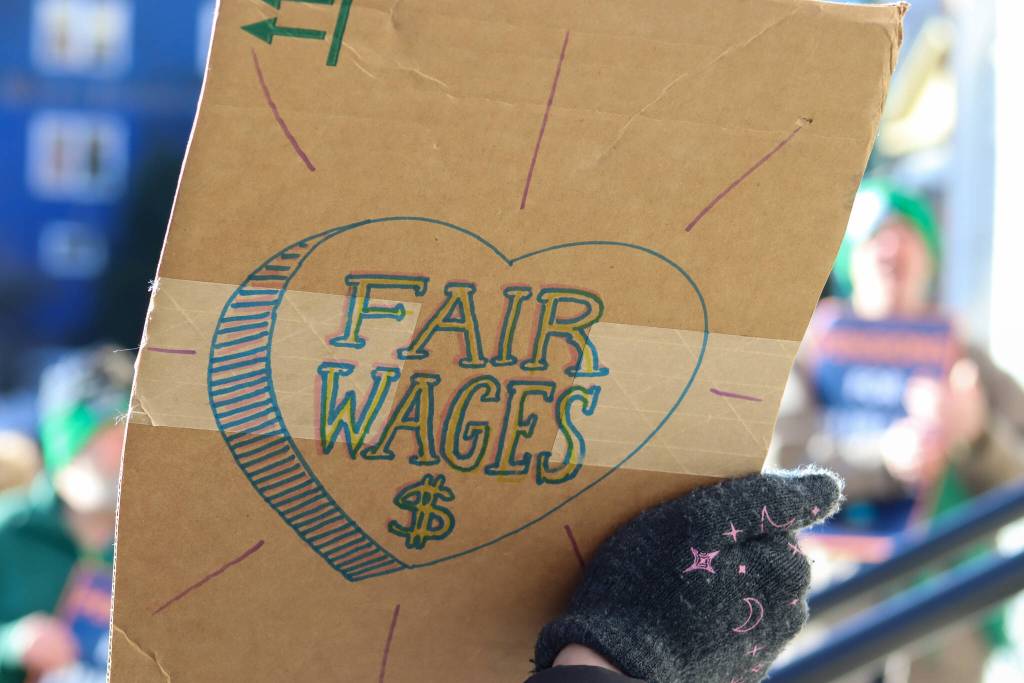
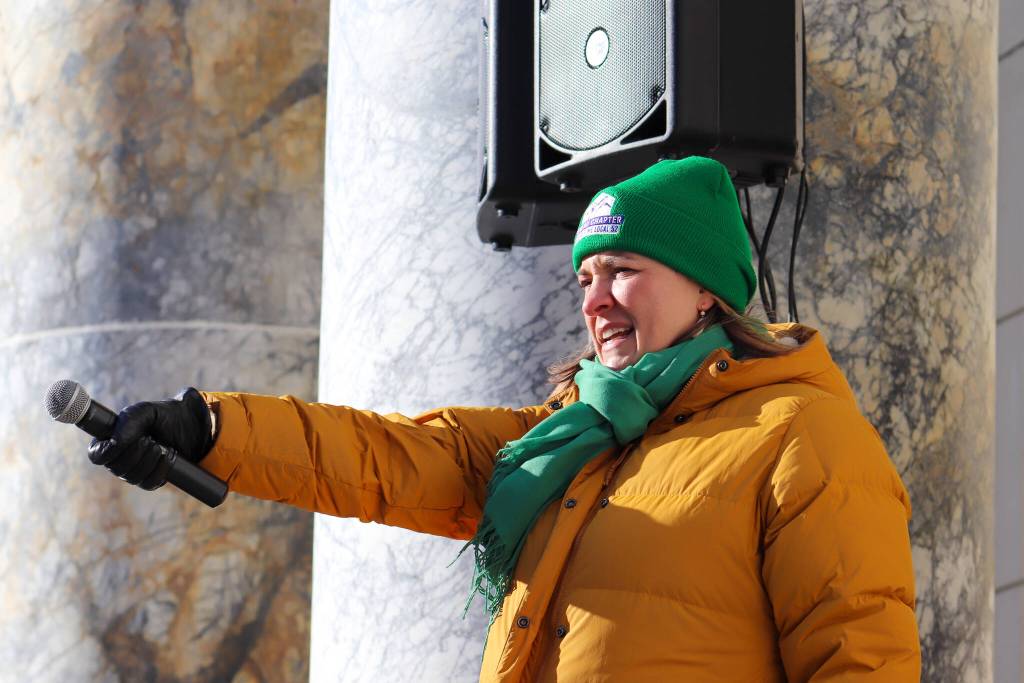
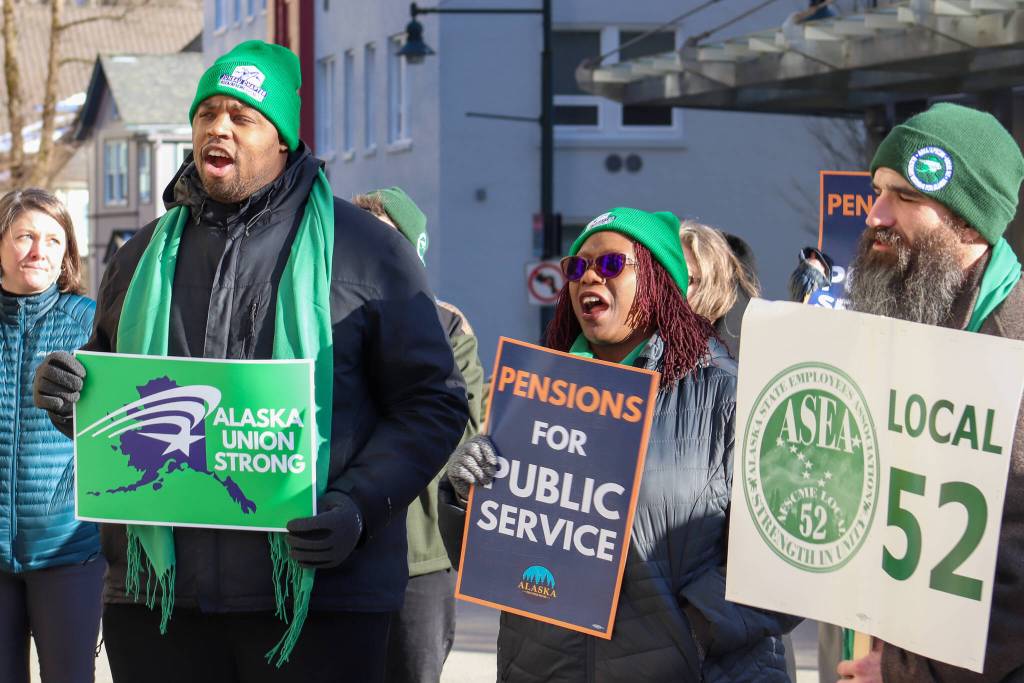
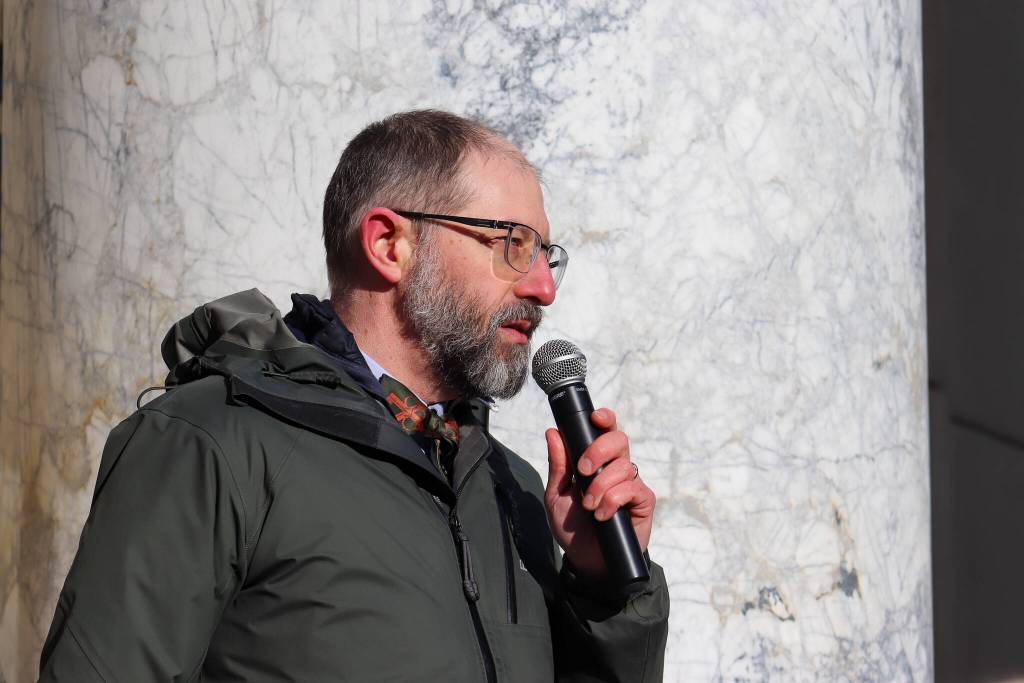



As thousands of federal workers were being fired on Valentine’s Day by the Trump administration, a group of about 70 state employees rallied in front of the Alaska State Capitol seeking security for their wages and retirement.
Primary concerns voiced during Friday’s 30-minute rally were an alleged effort by Gov. Mike Dunleavy to cut state worker salaries, plus a years-long effort by public employees’ advocates to revive a traditional pension system. Challenges besides the usual political opposition of past sessions are what legislators are calling the state’s worst fiscal situation in decades and Trump’s shakeup of the federal government, which provides nearly 40% of the state budget’s revenue.
Rally participants interviewed said they sympathize with the mass firings occurring at federal agencies — including many workers in Juneau at the U.S. Forest Service and other agencies — but noted state government agencies have a 16% vacancy rate because the level of compensation isn’t competitive compared to similar jobs with other employers.
“Here in Alaska our state employees have been underpaid for more than 20 years,” said Heidi Drygas, executive director of the Alaska State Employees Association (ASEA), which represents more than 8,000 unionized workers. “We’re behind inflation and we have employees who are receiving public assistance because they can’t afford to get by, they can’t pay their rent, they can’t pay their heating oil, they can’t afford to put their kid into daycare.”
Furthermore, a heated point of contention is Dunleavy modifying a study to compare state worker pay to the 50th percentile for most occupations rather than the 65th percentile, which has for many years been the baseline for establishing state worker compensation. The governor’s office ordered the change after a draft report was completed last summer that has been withheld from the public, with ASEA filing a lawsuit seeking the report’s release, alleging Dunleavy withheld it because the data shows state employees salaries aren’t competitive.
“We’re just asking for us to be compensated the way that the state has said we are supposed to,” Michael Ladouceur, a geologist and ASEA’s northern region representative, said when asked about rally participants asking for higher wages on the same day wholesale federal workforce firings were occurring.
One of the reasons for the state’s high employee vacancy rate is federal salaries are notably higher, said Senate Majority Leader Cathy Giessel, an Anchorage Republican who is the lead sponsor of a bill reviving a traditional pension for public employees that was changed in 2006 to a 401(k)-style system.
“I have reports from departments that people are leaving because the pay is better,” she said.
ASEA estimates pay for state public employees is 15% to 20% below the market average.
Department of Administration Commissioner Paula Vrana told legislators at a Jan. 30 hearing the salary study was delayed past the original due date of June 30, 2024, because a bill passed by the Legislature and new collective bargaining terms last spring meant data already collected needed to be updated. She said the new study is scheduled to be completed by the end of March, but declined to say when it would be made available to lawmakers and the public.
Union officials and sympathetic legislators say the delay means any findings from the study will be unavailable for contract negotiations between public employee representatives and Dunleavy administration officials that likely need to be completed by mid-March.
This year’s Legislature may be more politically friendly toward public employee goals such as the pension bill since both the House and Senate are led by bipartisan coalitions with Democrats representing a majority of members, whereas last last the House had a Republican-led majority that thwarted a similar bill by Giessel.
But lawmakers say the state’s fiscal picture is also more grim due to a decline in oil prices, which combined with a high priority being placed on increasing public school funding means limits to other spending areas. Providing additional education funding and better public employee benefits, for instance, could mean further reductions to Permanent Fund dividends that already are far below the so-called “statutory” level — a potentially tough sell to Dunleavy and many Republicans whose votes might be needed to pass a budget package.
“I mean, really, the priority is what direction does Alaska want to go as a whole?” Ladouceur said when asked about what should be prioritized among education, public employee and other state spending. “It’s not one or the other that’s a higher priority. Without an educated society then everything else falls, but at the same time you have to make sure that there are people to give that education and so they all go hand in hand.”
• Contact Mark Sabbatini at mark.sabbatini@juneauempire.com or (907) 957-2306.