Alaska fishers, consumers likely to see higher seafood prices due to expanded Russian products ban
Published 9:30 pm Friday, December 22, 2023

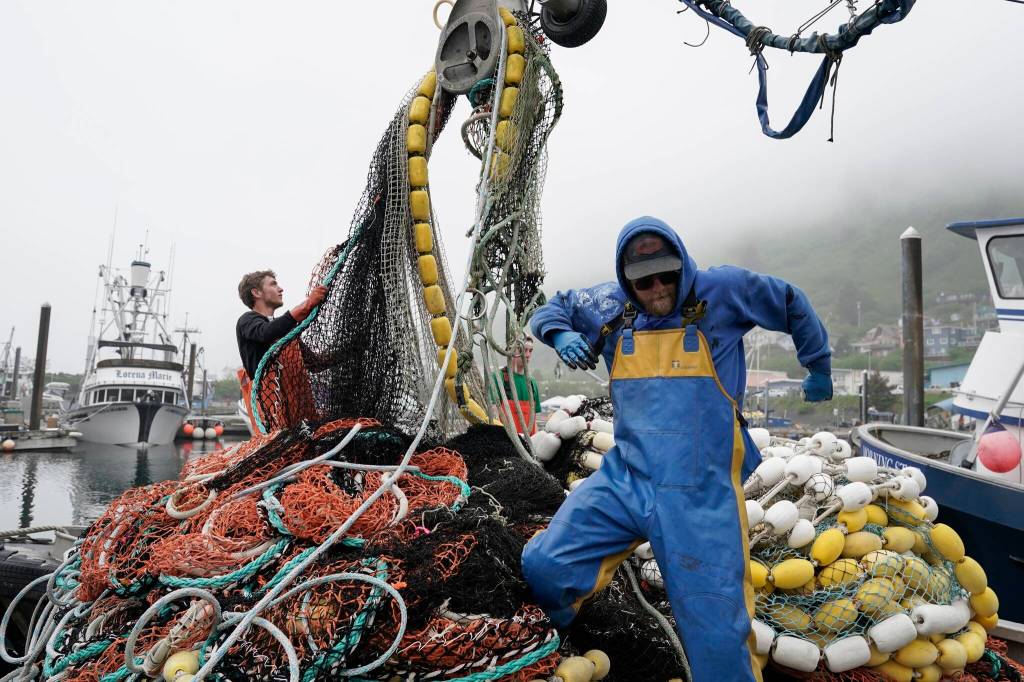

Seafood prices may see an increase both for fishers and consumers due to new import restrictions on Russian products imposed in an executive order by President Joe Biden on Friday, but top Alaska political leaders and many industry officials praised the policy as beneficial to regions with fisheries statewide.
The executive order expands sanctions against Russia for its invasion of Ukraine to include products that are caught in Russia and processed in China, closing what advocates for the restriction called a loophole Russia was exploiting after a general ban on seafood from that country was imposed by the U.S. in 2022. Biden’s order also affects alcohol and “non-industrial diamonds.”
In the simplest practical terms, it means there will be fewer seafood products available — thus both likely expanding Alaska’s share of the market, while affecting availability and prices for consumers.
“That will help Southeast fishermen from basic laws of supply and demand,” said Greg Smith, a spokesperson for the Juneau-based Alaska Seafood Marketing Institute who is also a Juneau Assembly member. “That will reduce the supply of Russian seafood entering the U.S. market which should improve prices for Southeast, and other Alaska fishermen and seafood industry members.”
The policy was strongly opposed by some industry members and politicians throughout the U.S. who argued it would affect the jobs of people selling Russian-affiliated products and companies with existing contracts that will become invalid, as well as being harmful to consumers. For some politicians in particular, it was part of a larger reluctance about U.S. involvement in the war on behalf of Ukraine.
However, a multitude of comments and press releases by leaders in Alaska were almost universally unequivocal in their praise of the executive order. Tracy Welch, executive director of United Fishermen of Alaska, said in a prepared statement the order addresses a long-running trade imbalance issue as well as the current situation in Ukraine.
“For nearly a decade, Russia has banned nearly all American seafood, all while their products have continued to flow into the U.S.,” Welch said. “Closing the loophole on Russian products being reprocessed in another country and then entering the U.S. market is an important step towards ensuring a level playing field for the U.S. seafood industry,”
U.S. Sen. Dan Sullivan, during a media conference call Friday, said he’s been trying to limit imports from Russia and China “in one shape or form since I got to the Senate almost nine years ago.”
“This is a really important win, a nice Christmas gift for a really challenging period with regard to our fisheries,” he said. “And something that, from my perspective, should have been solved almost a decade ago, if not a couple of years ago.”
As for potentially limiting product selection and affecting prices, Sullivan said that should be acceptable to companies and consumers because of abusive and environmentally harmful practices he says are common in the seafood industry in Russia and China.
“You have really abusive components of a seafood supply chain that are very environmentally devastating for the oceans, you have human rights abuses and even potentially slave labor with the Uyghurs,” he said, referring to an ethnic group many officials say are being subject to human rights violations. “And we have American importers say ‘No, I have to have that.’ Well, my view is ‘Don’t do that. Be patriotic and buy American or Alaskan seafood. Now they have to and that’s fine…I think most of these companies are going to understand that this is a more sustainable business model. It was just a little disappointing that we had to force him to do it, but nevertheless that’s what’s going to happen.”
The order takes effect in 60 days — on Feb. 21, according to Sullivan.
“So if you have a fish contract that’s already on the water that’s coming to an American importer — it’s Russian fish, it went through China — you can import that in the next within the next 60 days. However, starting today, that 60-day period does not allow for companies to go and undertake a bunch of contracts. The contracts have to be signed prior to today.”
Alaska’s other U.S. Senator, Lisa Murkowski, also a Republican, issued a statement declaring the executive order “will help seafood prices recover, restore balance and basic fairness to markets, and cut off a key source of funding for Putin’s catastrophic war in Ukraine, all at the same time.”
U.S. Rep. Mary Peltola, an Alaska Democrat, issued a statement declaring “we must not turn a blind eye to the alarming threat that unregulated foreign trawlers pose to our local fishermen and marine ecosystems.”
“Today, we have achieved a major milestone in pro-fish policymaking, equipping us with the necessary tools to fiercely protect our interests and promote sustainable fishing practices,” Peltola added.
• Contact Mark Sabbatini at mark.sabbatini@juneauempire.com or (907) 957-2306.