Woven Peoples and Place: Celebrating values in action
Published 10:30 pm Friday, August 29, 2025


This past week, the Sustainable Southeast Partnership’s regional and community catalysts gathered in Xunaa (Hoonah) to collaborate, catch up, identify synergies across communities, celebrate the work of this year, and start planning for the next.
The Sustainable Southeast Partnership (SSP) is a dynamic collective of people and partners uniting diverse skills and perspectives to strengthen cultural, ecological, and economic resilience across Southeast Alaska. “Catalysts” are hosted at organizations across the region and focus on community priorities (Community Catalysts), and regional focus areas (Regional Catalysts) such as Workforce Development, Energy, Climate Adaptation, Storytelling, and more.
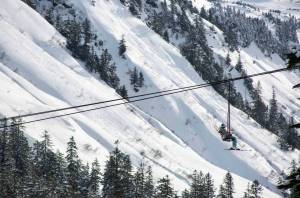
Catalysts toured Hoonah’s community greenhouse, visited with the Hoonah Native Forest Partnership which celebrated a decade of work this year, played in the Hoonah Indian Association’s upcoming childcare facility, and braved Icy Strait Point’s legendary zipline. Partners also visited Hoonah’s schools and hosted activities ranging in topic from community energy systems, career pathway exploration, and art and storytelling.
In 2020, SSP Partners co-created a set of collective values — principles that continue to ground the work and guide a collaborative path forward. These values include:
Relationships First, Balance, Tribal Sovereignty & Community Determination, “Kux̱adaahán Ádáyoo.aánalgein” (Stop, observe, examine, act), Intentional Collaboration, Courage & Follow Through, Growth & Collective Learning, Systems Thinking, and Justice & Healing.
These values are not just words — they’re tools participants use to make decisions, resolve challenges, and shape the way the SSP shows up for our communities. And while the values are shared, how they come to life can look different depending on who you ask.
To explore what it means to truly live these values, we’re sharing the voices of three partners who embody them in their daily lives and work. In April we shared about the power of mentorship with SSP Communications Catalyst Shaelene Grace Moler.
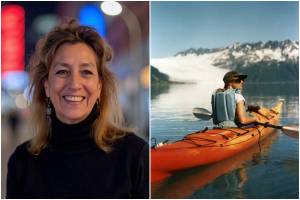
In part two of our “Values in Action” series, we hear from Andrew Thoms, the executive director of one of the SSP’s founding Partners, the Sitka Conservation Society:
Living with the Land and Building Community
By Andrew Thoms, Sitka Conservation Society executive director
Southeast Alaskan communities live in close relationship with the lands and waters and understand that it takes diligence to ensure that the resources they provide continue to do so year-after-year and generation after generation. This is why fishermen are involved in local Advisory Councils and Board of Fish processes, and make sure institutions have the necessary resources to research and manage our fisheries. The core value of “Balance” that is prevalent in Lingít and Haida teachings is based on generations of learning how to live and be successful in this place. For example, caring for and closely monitoring salmon runs to ensure healthy returns year after year.
Building community is so intricately tied to being part of this landscape and our ability to thrive. It takes effort and investment by everyone to make our communities successful. The Lingít way that Aunties and Uncles mentor their nieces and nephews is part of deepening community. The way we come together to talk through issues, find common ground, and build solutions through “Intentional Collaboration” is another. This is captured in the Lingít word wooch.éen (working together). It is how we support neighbors in times of need, celebrate each other’s accomplishments, volunteer, give to nonprofits, and invest in local businesses. It is how we serve on local boards and commissions, when we do little things to brighten up someone’s day in the dark of winter, or share our catch when the salmon start running. It is having the “Courage & Follow Through” to be there for one another no matter what.
I also value leaving a place better than you found it. For the most part, Southeast Alaska isn’t like the rest of the country, where I grew up. Here, we don’t have endless sprawl of strip malls and have intact ecosystems with all the species and components intact. Our lands were not privatized and subdivided on the scale of the lower 48 so we can still use and depend on the same landscape and resources that the Lingít knew since time immemorial without encountering no-trespassing signs. The landscape and the resources are still healthy because people before us took care of them. Even in places where logging was done badly or the military left toxic pollution, we are stepping up and restoring those lands for future generations.
Finally, the humility inherent in the practice of “Kuxhadahaan Adaayoo.analgein” (stop, observe, examine, act) is increasingly critical. We need humility to “Learn & Grow Collectively” and understand that no one has all the answers. Anyone who offers simple solutions to the complex problems we face, does not carry that humility or value “Systems Thinking”and will lead us into failure. We must look to the traditional values that guided those who came before us through uncertain times, and combine those with new knowledge and technology in ways that lead to sustainability.
“Woven Peoples and Place” is the monthly column of the Sustainable Southeast Partnership (SSP). SSP is a dynamic collective impact network uniting diverse skills and perspectives to strengthen cultural, ecological, and economic resilience across Southeast Alaska. Follow along at sustainablesoutheast.net; on Linkedin, Instagram and Facebook at @sustainablesoutheast; and on YouTube @SustainableSoutheastAK.